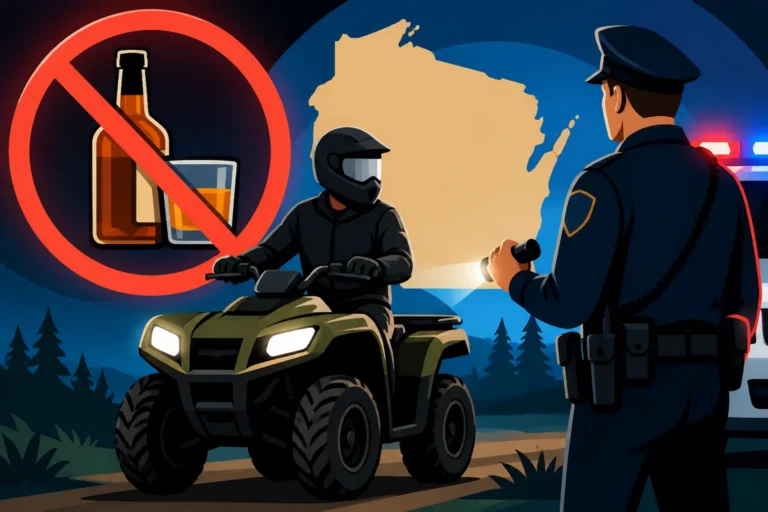
Wisconsin Alcohol Limit on an ATV
There's nothing quite like a day out on the Wisconsin trails, soaking in the Northwoods beauty, and enjoying the camaraderie of fellow riders. But as the day winds down, or perhaps for those who enjoy a social beverage along the way, it's incredibly easy to forget that the rules of the road for your car apply just as strictly to your ATV or UTV. Many folks assume that because they're "off-road," the laws might be different, or perhaps less enforced, when it comes to alcohol. This guide is going to clear up those dangerous misconceptions, walking you through Wisconsin's specific alcohol limits for ATV and UTV operators, the very real consequences you face, and how to ensure your ride stays safe and legal for everyone involved.
Understanding Wisconsin's OWI Laws for ATVs
Let's cut right to it: operating an ATV or UTV in Wisconsin while under the influence of alcohol is a serious offense, legally known as Operating While Intoxicated (OWI). The laws governing alcohol use for ATV and UTV operators are designed to protect everyone on the trails and roads, and they mirror the laws for traditional motor vehicles in many critical ways. This isn't just about avoiding a ticket; it's about preventing potentially life-altering accidents and keeping our beloved riding community safe.
The .08% Limit Applies to You
This is the big one, and it's where many riders get caught off guard. In Wisconsin, the legal blood alcohol concentration (BAC) limit for operating an ATV or UTV is precisely the same as it is for driving a car: 0.08%. For commercial operators, or those who have prior offenses, this limit can be even lower. What does this mean in practical terms? It means that even after just a couple of drinks, depending on your body weight, metabolism, and how much you've eaten, you could easily be over the legal limit. The feeling of being "fine to ride" often doesn't align with your actual BAC, and wardens are highly trained to recognize impairment. It's a critical point for every rider to understand, and it's the foundation of Wisconsin's approach to recreational vehicle safety. When you hear about [Wisconsin Alcohol Limit on an ATV], this 0.08% is the number everyone needs to know.
Think about it: after a long day of navigating diverse terrain, the sun beating down, and the physical exertion of riding, your body might process alcohol differently. What might feel like a casual beer with friends could quickly push you past that crucial 0.08% threshold, putting both you and others at risk. The law doesn't differentiate between your vehicle being a quad, a side-by-side, or a pickup truck when it comes to this fundamental safety standard.
Implied Consent and What It Means
Here's another crucial detail that many ATV and UTV operators might not realize until it's too late. When you choose to operate an ATV or UTV on public lands or routes in Wisconsin, you are implicitly consenting to chemical tests if an officer has probable cause to believe you are operating while intoxicated. This is known as "implied consent." What does this practically mean for you? If a Wisconsin warden stops you and suspects you're impaired, they can request you submit to a breath, blood, or urine test.
Refusing these tests isn't a get-out-of-jail-free card. In fact, a refusal carries its own set of serious penalties, often including the immediate suspension of your driver's license (yes, your car license), and potentially more severe consequences than if you had simply taken the test and were found to be over the limit. It's a tough situation, but understanding your obligations under implied consent is vital. Imagine you’ve been out enjoying the trails near Hayward, perhaps had a few beers at a trailside tavern, and on your way back to camp, a warden pulls you over. That moment of decision can have long-lasting repercussions beyond just that ride.
What Constitutes "Operating" an ATV
Another common misconception revolves around what "operating" actually means in the eyes of the law. Many riders might think that if the machine isn't moving, or if they've just pulled over to the side of a trail for a break, they aren't "operating" it. Unfortunately, that's often not the case. In Wisconsin, "operating" can be broadly interpreted. It doesn't necessarily mean you have to be actively driving down a trail.
If you are in physical control of the machine, with the keys in the ignition, even if the engine isn't running or you're simply sitting on it, you could be considered to be "operating" it. This is especially true if you are on a public trail, road route, or other area accessible to the public. Consider a scenario where you've parked your UTV at a scenic overlook in the Chequamegon-Nicolet National Forest, enjoying a beverage with friends, and the engine is off but the keys are in. A warden patrolling could still deem you to be in physical control and therefore "operating" the machine. It's a nuance that can catch many riders off guard, highlighting the importance of absolute sobriety when you are anywhere near your machine on public lands.
Consequences of an OWI on an ATV in Wisconsin
The repercussions of an OWI on an ATV or UTV in Wisconsin are far from trivial. They extend well beyond just a simple fine, impacting your finances, your driving privileges, and even your ability to enjoy the sport you love. The state takes these offenses very seriously, and the penalties are designed to be a significant deterrent. It's not just about an inconvenient day in court; it's about real, lasting consequences that can disrupt your life.
Fines, Penalties, and Court Costs
A first-time OWI offense on an ATV in Wisconsin can carry substantial fines, court costs, and surcharges. These can quickly add up to thousands of dollars, a financial hit that few people are prepared for. The fines increase significantly with each subsequent offense, often coupled with mandatory jail time. Beyond the immediate financial penalties, you might also face fees for towing and impoundment of your machine, mandatory alcohol assessment, and enrollment in driver safety programs.
For instance, a first offense might see fines and surcharges reaching into the upper hundreds or low thousands, plus court costs. A second offense within a certain timeframe could escalate that dramatically, adding mandatory jail time and much higher fines. Imagine having to pay off several thousand dollars just because you misjudged "just one more." This is a very real scenario for many. It's not just a slap on the wrist; it's a financial burden that can linger, making those trail rides feel a lot more expensive than you ever intended. For an idea of how these add up, you can look at common [Wisconsin ATV Ticket Amounts].
License Suspension and Riding Privileges
One of the most impactful consequences of an ATV OWI in Wisconsin is the suspension of your motor vehicle driver's license. Yes, you read that right – even though you were operating an ATV, the state can suspend your license to drive your car, truck, or motorcycle on public roads. This can be a massive disruption to your daily life, affecting your ability to get to work, run errands, or even pick up your kids. The suspension period can vary, but it's often several months, if not longer, especially for repeat offenders or those who refused a chemical test.
Furthermore, an OWI can lead to the suspension of your ATV/UTV operating privileges. This means you might not be legally allowed to ride your machine on public trails or routes for a significant period. Losing [Losing Wisconsin Riding Privileges] can be devastating for someone who cherishes their time on the trails. It's a direct and immediate consequence that underscores how seriously Wisconsin views operating any motorized vehicle while impaired.
Machine Impoundment and Forfeiture
This is often the most immediate and startling consequence for many riders. If you are cited for an OWI on an ATV, your machine can be immediately impounded by law enforcement. The cost of towing and daily storage fees will fall squarely on your shoulders, and these costs can quickly add up. In some cases, especially for repeat offenders, your ATV or UTV could even be subject to forfeiture, meaning the state could permanently seize it.
Imagine your prized side-by-side, perhaps one you've invested heavily in with aftermarket accessories from a brand like SuperATV, being towed away. Not only is it a financial loss, but it's a blow to your pride and your passion. Having your machine taken away unexpectedly is a harsh reality for those who make the poor decision to drink and ride. These actions are part of the broader system of [Penalties for an Unregistered ATV in Wisconsin] and other infractions, demonstrating the state's resolve to enforce responsible riding.
Mandatory Safety Education
In addition to fines and suspensions, individuals convicted of an ATV OWI in Wisconsin are often required to complete an approved alcohol and drug assessment and follow through with any recommended treatment or education programs. These programs are designed to help individuals understand the risks of impaired driving and make safer choices in the future. The cost of these assessments and programs typically falls on the offender, adding another layer to the financial burden. While these programs are intended to be rehabilitative, they require a significant investment of time and money, further highlighting the extensive impact of an OWI charge.
Open Intoxicants and Related Offenses on a Wisconsin Ride
Beyond the strict 0.08% BAC limit, Wisconsin also has specific rules regarding open containers of alcohol on ATVs and UTVs, as well as general conduct when consuming alcohol around these machines. These laws are in place to prevent the very situations that often lead to OWI charges and to maintain order and safety on public lands and routes. Understanding these nuances is key to avoiding trouble, even if you don't feel "drunk."
Rules on Open Containers
Wisconsin law generally prohibits the possession of an open container of alcohol on an ATV or UTV while it is being operated on any public trail, highway, or road route. This is similar to the open container laws for motor vehicles. Even if you're not over the legal limit, having an unsealed bottle, can, or glass with alcohol in it can lead to a separate citation. This applies to both the operator and any passengers.
The intent here is to discourage the temptation to drink while riding and to prevent litter. So, while you might be stopping in a trail town like Park Falls and grabbing a beverage, make sure it's consumed responsibly and legally before you get back on your machine. Or, if you're taking it to camp, ensure it's in a sealed container and stored appropriately, not within easy reach or in an open cup holder. It’s an important distinction that many riders overlook, contributing to easy tickets. This topic, [Open Intoxicants on a Wisconsin Ride], is one you definitely want to be familiar with.
Public Intoxication and Disorderly Conduct
Even if you're not operating your ATV or UTV, your behavior around the machine and on public lands can lead to legal trouble if alcohol is involved. Public intoxication and disorderly conduct charges can be issued if you're displaying aggressive, disruptive, or unsafe behavior while under the influence. This is particularly relevant when groups of riders gather at trailheads, scenic overlooks, or near trailside establishments.
Think about a common scenario: a group of friends stops at a busy staging area near the trails in Vilas County. If some members of the group are drinking, even off their machines, and become loud, argumentative, or start interfering with other riders, a warden could issue citations for public intoxication or disorderly conduct. These charges carry their own fines and can quickly escalate a fun day into a costly legal mess. It’s about respecting the environment and other users, even when you're off your machine.
Underage Consumption and OWI
Wisconsin has a strict zero-tolerance policy for underage drinking and operating an ATV or UTV. For anyone under the age of 21, operating an ATV or UTV with any detectable amount of alcohol in their system is illegal. This is not the 0.08% adult limit; it's essentially a 0.00% BAC limit. The penalties for underage OWI can be severe, including fines, license suspension, and mandatory alcohol education programs, not to mention the impact on future educational and career opportunities.
Parents and guardians need to be acutely aware of this, especially if younger family members are riding. Allowing an underage person to operate an ATV or UTV after consuming alcohol can also lead to legal repercussions for the adult. It's a critical safety issue that extends beyond just the young rider themselves and highlights the need for constant vigilance and clear communication about responsible choices.
Making Responsible Choices: Staying Safe and Legal
Navigating Wisconsin's beautiful ATV and UTV trail systems is an incredible experience, and it's one that everyone wants to enjoy safely and legally. The best way to avoid the serious consequences of an OWI or related alcohol offenses is to make responsible choices before you even hit the trails or plan your social stops. Planning ahead isn't just about packing snacks or checking your tire pressure; it's about thinking through your entire day, especially if alcohol might be involved.
Planning Ahead for Social Rides
If your riding group intends to incorporate alcoholic beverages into your day, whether at a trailside restaurant, a designated camp spot, or a cabin, designate a sober operator for your machine(s). This is the simplest and most effective way to prevent an OWI. Treat your ATV or UTV ride just like you would a night out driving your car. If you're going to drink, plan not to ride.
This could mean having one person in the group who commits to staying sober and is responsible for operating the machines, or planning alternative transportation back to your lodging. Many [Wisconsin Trail Towns Worth a Base Camp] offer amenities where you can park your machine for the night and walk to restaurants or pubs. Perhaps you're staying at a resort that's a short stroll from where you rode in. Consider splitting up the riding and the socializing; ride during the day, then put the machines away and enjoy your evening beverages without any temptation to get back on the throttle. If you're planning to ride to eat, make sure to consider [Riding to Supper in a Wisconsin Trail Town] with a clear head.
Here’s a quick overview of OWI consequences:
| Offense Type | Potential Fines (Approx.) | License Suspension (Driver's) | Machine Impound/Forfeiture | Mandatory Education |
|---|---|---|---|---|
| First OWI | $150 – $300 + court costs | 6 – 9 months | Possible Impound | Alcohol Assessment |
| Refusal of Test | $300 – $1,000 + court costs | 12 months (First Refusal) | Impound | Alcohol Assessment |
| Second OWI | $350 – $1,100 + court costs | 12 – 18 months | Impound/Possible Forfeiture | Alcohol Assessment |
| Underage OWI (Any BAC) | $200 – $400 + court costs | 3 – 6 months | Possible Impound | Alcohol Assessment |
Note: These are general ranges for informational purposes only. Actual fines and penalties can vary significantly based on specific circumstances, county, and judicial discretion.
Knowing Your Limits and Staying Hydrated
Beyond legal limits, understanding your personal tolerance for alcohol is critical. Factors like fatigue, heat, and dehydration, all common during a long day of ATV riding, can accelerate the effects of alcohol and impair your judgment even more quickly. Many riders underestimate how much the sun and physical exertion can affect them. What might be "fine" at home could be profoundly impairing on the trail.
Staying well-hydrated with water and non-alcoholic beverages throughout your ride is not just good for your general health; it can also help you avoid misjudging your sobriety if you choose to have an alcoholic drink later. The best advice, however, remains to simply avoid alcohol entirely if you plan to operate your ATV or UTV. There are plenty of delicious non-alcoholic options available in [Wisconsin Gas Stations Along the Routes] and trail towns to keep you refreshed.
The Impact on Your Fellow Riders and the Community
Operating an ATV or UTV while under the influence doesn't just put you at risk; it endangers everyone else on the trails, including your friends, family, and other recreational users. An impaired operator's slower reaction times, diminished judgment, and reduced coordination can lead to serious accidents, causing injuries or even fatalities to innocent people. The ripple effects of such an incident can be devastating, extending to families, emergency services, and the entire riding community.
Moreover, irresponsible behavior, fueled by alcohol, can reflect poorly on the entire ATV and UTV community. It can lead to negative public perception, increased restrictions, and reduced access to the very trails and routes we all love. Maintaining a reputation as responsible and respectful riders helps ensure that our access to Wisconsin's incredible natural resources remains open for years to come. When you outfit your machine with reliable gear, whether it's from a trusted source like SuperATV for lift kits or durable tires, or another quality manufacturer, you're investing in your safety and the longevity of your machine. Don't let a poor decision involving alcohol jeopardize that investment, or the future of riding in Wisconsin. Upholding high standards of safety and conduct is the best way to safeguard our sport.
Disclaimer
This article is for general informational purposes only and does not constitute professional advice. Laws, prices and regulations vary by location and change over time. Consult a qualified professional for guidance on your specific situation.