The March 31 Expiration Every Wisconsin Rider Learns
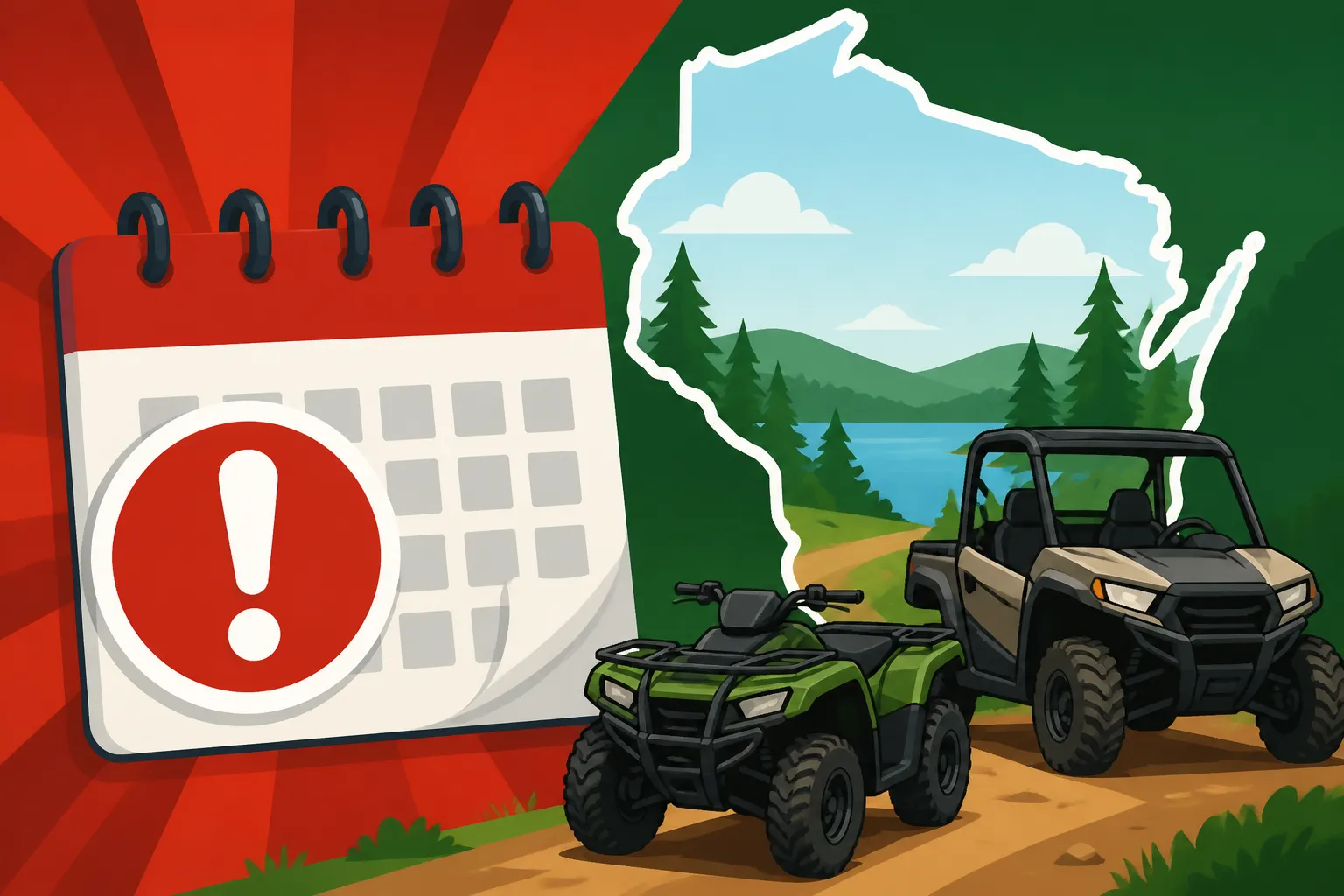
Every year, as the snow melts and thoughts turn to spring rides, a familiar dread creeps into the minds of many Wisconsin ATV and UTV owners: the looming March 31st registration deadline. It’s easy to forget, easy to let slide, and then suddenly you're facing a fine or a missed opportunity to hit the trails. This guide is here to break down exactly what that March 31st expiration means for your machine, why it's so important, and how to stay ahead of it.
The Annual Rite of Passage: Understanding the March 31st Expiration
For many Wisconsin ATV and UTV enthusiasts, the turn of the calendar page to March signifies more than just the promise of warmer weather; it signals the annual scramble to renew their machine's registration. This isn't just a bureaucratic hurdle; it's a critical component of enjoying Wisconsin's vast network of trails and routes legally and safely. Ignoring this date can lead to unwanted hassles and expenses.
Why March 31st? The Wisconsin DNR's Calendar
The choice of March 31st as the annual expiration date for ATV and UTV registrations in Wisconsin is quite deliberate. It effectively marks the close of the winter riding season and the transition into spring and summer. Think about it: by the end of March, most frozen lakes are no longer safe for riding, and many snow-covered trails are beginning their annual thaw-related closures. Establishing a consistent end-of-quarter deadline allows the Wisconsin Department of Natural Resources (DNR) to manage its administrative workload, process renewals efficiently, and prepare for the upcoming warmer weather riding conditions.
This consistent annual date creates a predictable cycle for both the DNR and riders alike. While it might feel like a nuisance to some, it’s part of a larger system designed to ensure that machines operating on public lands are accounted for and that the funds generated from these renewals can be allocated effectively. It’s not an arbitrary date pulled from thin air; it’s a scheduled checkpoint in the yearly rhythm of Wisconsin's powersports community.
What "Expires" Exactly? Your Public Use Registration
It’s crucial to understand that the March 31st expiration date primarily applies to what’s known as a "public use" ATV or UTV registration. If your machine is registered for public use, it means you intend to ride it on designated public trails, road routes, frozen waterways, and other areas open to the public. This registration grants you the privilege to access these incredible resources that Wisconsin has to offer, from the sprawling county forest systems to municipal road routes that connect trail towns.
Without a current public use registration, your ability to legally access these areas comes to a screeching halt. The decals on your machine, which feature your registration number and the expiration year, are your visual proof of compliance. When March 31st rolls around, those decals for the previous year become invalid, and you’re expected to have new ones proudly displayed. This distinction is vital because there’s another type of registration, "private use," which has a completely different expiration schedule – or lack thereof. [Wisconsin Public Use Registrations Expire March 31]
Public Use Versus Private Use: Two Very Different Deadlines
Wisconsin has a dual registration system for ATVs and UTVs, designed to accommodate different types of riders and their specific needs. Understanding the difference between public use and private use registration is key to navigating the March 31st deadline. Only one of these types is subject to the annual renewal.
The Public Use Registration: Your Trail Pass to Adventure
A public use registration is what most recreational riders in Wisconsin will need. This is the registration that allows you to venture onto the state's extensive network of public ATV and UTV trails, designated road routes in towns and counties, and even frozen lakes and rivers when conditions permit. It's your official ticket to exploring the vast wilderness and charming trail towns that make Wisconsin a prime destination for off-road enthusiasts.
This type of registration comes with an annual fee, which directly contributes to the maintenance, development, and improvement of those very trails you love to ride. These funds are vital for everything from grading and signage to bridge repairs and ensuring a safe, enjoyable riding experience for everyone. When you see new trail segments or well-maintained routes, you're seeing your registration dollars at work. Because of this annual funding cycle, the public use registration needs to be renewed every year by March 31st. Without a current public use registration, you can't legally ride on any public access land. For a deeper dive into where you can take your machine, check out [What Public Registration Lets You Ride].
The Private Use Registration: For Machines That Stay Home
In stark contrast to the public use registration, the private use registration is for machines that will only be operated on private property and will never touch public trails or road routes. Think of a farmer using a UTV solely on their sprawling acreage, or a homeowner using an ATV to plow their driveway and occasionally venture into their woods, never setting a tire on a public trail or crossing a road.
The significant difference here is that a private use registration is a one-time fee and, once issued, it never expires. That's right – once you register your machine for private use, you don't have to worry about the March 31st deadline ever again for that specific machine. This distinction is often a point of confusion for new riders or those considering shifting their machine's primary use. While it might seem appealing to avoid the annual renewal, remember its crucial limitation: no public land access. You can learn more about this non-expiring option here: [Private Registration That Never Expires].
| Registration Type | Primary Use | Expiration Date | Annual Renewal? | Public Trail Access? |
|---|---|---|---|---|
| Public Use | Public trails, road routes, frozen lakes | March 31st | Yes | Yes |
| Private Use | Private land only | Never | No | No |
The High Cost of Procrastination: Consequences of an Expired Registration
It's tempting to put off renewing your registration until the last minute, especially when life gets busy. However, letting your Wisconsin ATV or UTV public use registration lapse past March 31st can lead to a host of headaches, from costly fines to the simple frustration of missing out on beautiful riding days. It's a risk that's simply not worth taking when the renewal process is so straightforward.
Getting Caught Unregistered: Fines and Frustration
The most immediate and impactful consequence of riding with an expired registration is the risk of being cited by law enforcement, typically a DNR warden or local sheriff's deputy. Wisconsin wardens are highly visible on popular trail systems and road routes, especially during peak riding seasons, and they are diligent about checking for current registrations. When you're stopped, an expired registration will be quickly identified, and ignorance of the deadline is generally not an acceptable excuse.
The fines for operating an unregistered ATV or UTV can be substantial, often hundreds of dollars, and they can quickly outweigh the cost of the annual renewal fee many times over. Imagine planning a long-awaited weekend trip up north, only to have it cut short by a ticket on the first day. This not only sours the experience but also leaves you with a financial hit that could have been easily avoided. For a comprehensive look at the legal ramifications, check out [Penalties for an Unregistered ATV in Wisconsin].
What Happens if Your Decals Expire?
Your registration isn't truly complete until those fresh, current decals are affixed to your machine in the correct location. These decals are more than just stickers; they are the visible proof that your machine is legally registered for the current season. Even if you've paid your renewal fee online or by mail, riding with last year's expired decals still puts you in a precarious position. Law enforcement relies on these visual cues to quickly determine compliance.
Wardens don't have instant access to real-time registration databases out on the trail, so the decals are their primary tool. If your previous year's decals are still on your machine after March 31st, you could still receive a citation for displaying expired decals, even if the renewal payment has been made but the new ones haven't arrived yet. It's a subtle but important distinction. Furthermore, proper placement of your decals ensures they are visible and conform to regulations. Learn more about where your decals should go in [Sticker Placement on a Wisconsin Machine]. If your decals become damaged or fall off, it’s important to know how to get new ones, which is covered in [Replacing Lost Wisconsin Decals].
Trail Access Denied: Missing Out on Spring Rides
Beyond the financial penalties and the stress of a citation, perhaps the most disheartening consequence of an expired registration is the simple inability to ride legally. Imagine that perfect spring day, the trails are freshly opened, and your riding buddies are hitting the dirt, but you're stuck at home because you forgot to renew. The delay in getting your new decals can mean days or even weeks of missed riding opportunities, especially if you wait until after March 31st to start the process.
Many riders plan their trips months in advance, coordinating with friends and booking cabins. An expired registration can throw a wrench into those plans, forcing you to either risk a fine or sit out while your group enjoys the trails. It's a frustrating situation that can be entirely avoided by simply taking a few minutes to complete the renewal process before the deadline. Don't let a lapse in paperwork keep you from enjoying the incredible spring riding Wisconsin has to offer.
Your Renewal Roadmap: How to Stay Compliant
Renewing your Wisconsin ATV or UTV registration doesn't have to be a stressful ordeal. The Wisconsin DNR offers several convenient options to ensure you can get your machine ready for the trails well before the March 31st deadline. Choosing the method that best suits your schedule and preferences can make the annual renewal a breeze.
Online Renewal: The Easiest Path
For many riders, renewing online through the Wisconsin DNR's Go Wild system is by far the most convenient option. This portal is available 24 hours a day, 7 days a week, meaning you can renew your registration from the comfort of your couch at any time that works for you, day or night. All you need is your current registration number, a credit card, and an internet connection. The process is intuitive, guiding you through a few simple steps.
Once your online renewal is complete, the DNR will mail your new registration card and decals directly to the address on file. It's crucial to ensure your address is up to date in the DNR system to avoid delays in receiving your materials. While the convenience is undeniable, remember that it takes time for the decals to arrive by mail, so don't wait until March 30th! Plan to complete your online renewal several weeks before the deadline to ensure your new decals are on your machine by April 1st. For step-by-step guidance, refer to [Renewing a Wisconsin Registration Online]. And don't forget to keep your details current: [Updating Your Address With the Wisconsin DNR].
In-Person Renewal at a DNR Agent
If you prefer a more traditional approach, or if you're nearing the March 31st deadline and need proof of renewal immediately, visiting an authorized DNR sales agent is an excellent option. These agents are often found in sporting goods stores, bait shops, and powersports dealerships across Wisconsin, especially in popular riding areas. They are equipped to process renewals on the spot, providing you with a temporary proof of registration that you can carry with you until your official decals arrive in the mail.
The benefit of an in-person renewal is the peace of mind of walking out with immediate documentation. This can be invaluable if you've unexpectedly decided to go for a ride just days before the deadline or if you simply prefer human interaction for your transactions. You can find a list of authorized agents on the Wisconsin DNR website, making it easy to locate one near you or on your way to the trails. Learn more about where to find these helpful spots in [Wisconsin Registration Agents and Where They Are].
Mail-In Renewal: For Those Who Prefer Paper
For those who still appreciate the tactile feel of paper and a stamp, mail-in renewal remains an option. Many riders receive a renewal reminder form in the mail from the DNR, which can be filled out and sent back with payment. This method offers simplicity for those who are used to it, but it does come with a significant caveat: processing time.
Mail can be slow, and the DNR's processing centers can experience heavy volumes as the March 31st deadline approaches. If you choose to renew by mail, make sure to send your form and payment well in advance – think late January or early February – to ensure it's processed and your new decals are mailed and received before the deadline. Waiting until mid-March to mail your renewal could mean you won't have your new decals by April 1st, leaving you vulnerable to potential citations.
Planning for the Year Ahead: Beyond the March 31st Deadline
Staying on top of your ATV or UTV registration in Wisconsin doesn't just mean scrambling to renew by March 31st each year. It involves a bit of proactive planning and awareness of how other events, like buying or selling a machine, can intersect with this crucial date. A little foresight can save a lot of hassle and keep your riding season smooth.
Setting Up Reminders: Don't Get Caught Off Guard Again
We've all been there: life gets busy, and important dates slip through the cracks. While the Wisconsin DNR does its best to send out renewal reminders, relying solely on them can be risky. Sometimes reminders get lost in the mail, end up in spam folders, or are simply overlooked amidst a pile of other bills. That's why building your own personal reminder system is a smart move for any dedicated rider.
Consider setting up a recurring annual alert on your smartphone or digital calendar for early March, or even late February. A physical note on your refrigerator or a sticker on your machine's handlebar can also serve as a timely nudge. The goal is to create a fail-safe system that ensures the March 31st deadline never catches you off guard again. This proactive approach allows you to renew at your leisure, well before the last-minute rush, and avoid any potential fines or delays in getting your new decals.
Buying or Selling Near the Renewal Date
The March 31st expiration can add a layer of complexity if you're buying or selling an ATV or UTV around that time of year. If you're purchasing a used machine in February or March, it's essential to clarify with the seller who is responsible for the upcoming renewal. You don't want to buy a machine only to realize its registration expires in a few weeks and you're suddenly on the hook for renewal and the transfer process. Always factor this into your negotiations and paperwork.
Conversely, if you're selling a machine around the deadline, ensure that the transaction is fully documented and that the buyer understands the registration status. A clear bill of sale is critical, detailing the date of sale and the registration's current standing. Resources like LawDepot can be helpful for generating legally sound documents that protect both buyer and seller. Remember, there's a [The Ten-Day Transfer Deadline in Wisconsin] for registering a newly acquired machine, so prompt action is important for the new owner. Making sure all paperwork is in order prevents headaches down the line for either party.
New Residents and Out-of-State Machines
If you've recently moved to Wisconsin with an ATV or UTV from another state, or if you plan to bring your machine into Wisconsin for extended periods, understanding the registration requirements is vital. While your machine might be legally registered in your home state, Wisconsin has specific rules for out-of-state machines that will be primarily used within its borders. You'll eventually need to register your machine with the Wisconsin DNR, and once you do, it will become subject to the same March 31st annual expiration for public use.
It's important to familiarize yourself with the process for [Wisconsin Registration for an Out-of-State Machine] to ensure a smooth transition. Don't assume your current out-of-state registration automatically grants you full public access in Wisconsin. Proactively addressing this will help you avoid any unexpected issues or fines and ensure you can enjoy all the trails Wisconsin has to offer without a hitch.
Disclaimer
This article is for general informational purposes only and does not constitute professional advice. Laws, prices and regulations vary by location and change over time. Consult a qualified professional for guidance on your specific situation.