Riding With a Parent-Approved Adult
It's incredibly common for families in Wisconsin to want to get out and enjoy the trails and routes together, but the rules around young riders, especially when it comes to supervision, can feel like a tangled mess of regulations. This guide is here to untangle that for you, explaining exactly what "parent-approved adult" means in Wisconsin ATV and UTV law, so you can ride with confidence and keep everyone safe and legal.
Understanding Wisconsin's Youth Riding Rules
Wisconsin has specific rules in place to ensure the safety of its youngest riders, recognizing that operating an ATV or UTV requires a certain level of maturity, skill, and judgment. These rules aren't designed to keep kids off the trails, but rather to establish a framework for safe and responsible enjoyment of our beautiful outdoor spaces. Trying to navigate these age limits and supervision requirements can feel like solving a puzzle, especially when you factor in public land versus private property distinctions.
When we talk about public trails and designated road routes, the rules become much stricter than if you're just riding around on your own land. On private property that you own or have explicit permission to ride on, the state's age restrictions and safety certificate requirements generally don't apply, though common sense and parental supervision are always paramount. However, the moment a wheel touches a public trail, a county road opened for ATV use, or a state forest path, those regulations kick in. It's crucial to know the difference, because an oversight can lead to fines, or worse, an unsafe situation.
Age Requirements for Young Riders
Let's break down the basics for who can ride what, and when. For ATVs, a rider must be at least 12 years old to operate on public trails and designated routes. This age requirement is firmly set for single-rider ATVs. It's a fundamental aspect of [Wisconsin's Rule for Riders Aged 12 to 15]. For UTVs, the rules shift a bit, primarily due to the larger size and different operational characteristics of these machines. A UTV operator must be at least 16 years old to drive on public trails and routes. This is a significant difference, and it’s why you'll often hear discussions about [Why a 14-Year-Old Cannot Drive a UTV] on public lands, even if they're perfectly capable of handling an ATV.
These age limits are a starting point, but they don't cover everything. There's also the matter of safety certification. In Wisconsin, anyone born on or after January 1, 1988, must hold a valid ATV or UTV safety certificate to operate their machine on public lands. This applies to both youth and adults who fall into that birthdate range. So, a 12-year-old operating an ATV on a public trail absolutely needs to have completed a safety course and carry proof of certification. You can find more details on this critical requirement by looking into [Wisconsin's ATV Safety Certificate Requirement] and exploring [Wisconsin Safety Courses Online and In Person].
The Importance of Supervision on Public Lands
Even with the correct age and safety certification, many young riders need direct supervision when operating on public trails and routes. This isn't just a suggestion; it's a legal requirement aimed at enhancing safety. The idea is that an experienced adult can guide, instruct, and intervene if necessary, providing an extra layer of protection for the young rider and others on the trail. Without proper supervision, a young rider might inadvertently break trail rules, encounter unexpected hazards, or simply make a poor judgment call that an adult's experience could prevent.
The requirement for supervision is a recognition that riding off-road can be unpredictable. Trails can change quickly due to weather, other users, or wildlife. A supervising adult isn't just a passenger; they are actively responsible for the safety and conduct of the youth rider. This is especially true on shared trails where you might encounter other vehicles, hikers, or even horses. It’s about ensuring that everyone returns home safely, and that the integrity of our shared trail systems is maintained.
Defining a "Parent-Approved Adult" in Wisconsin
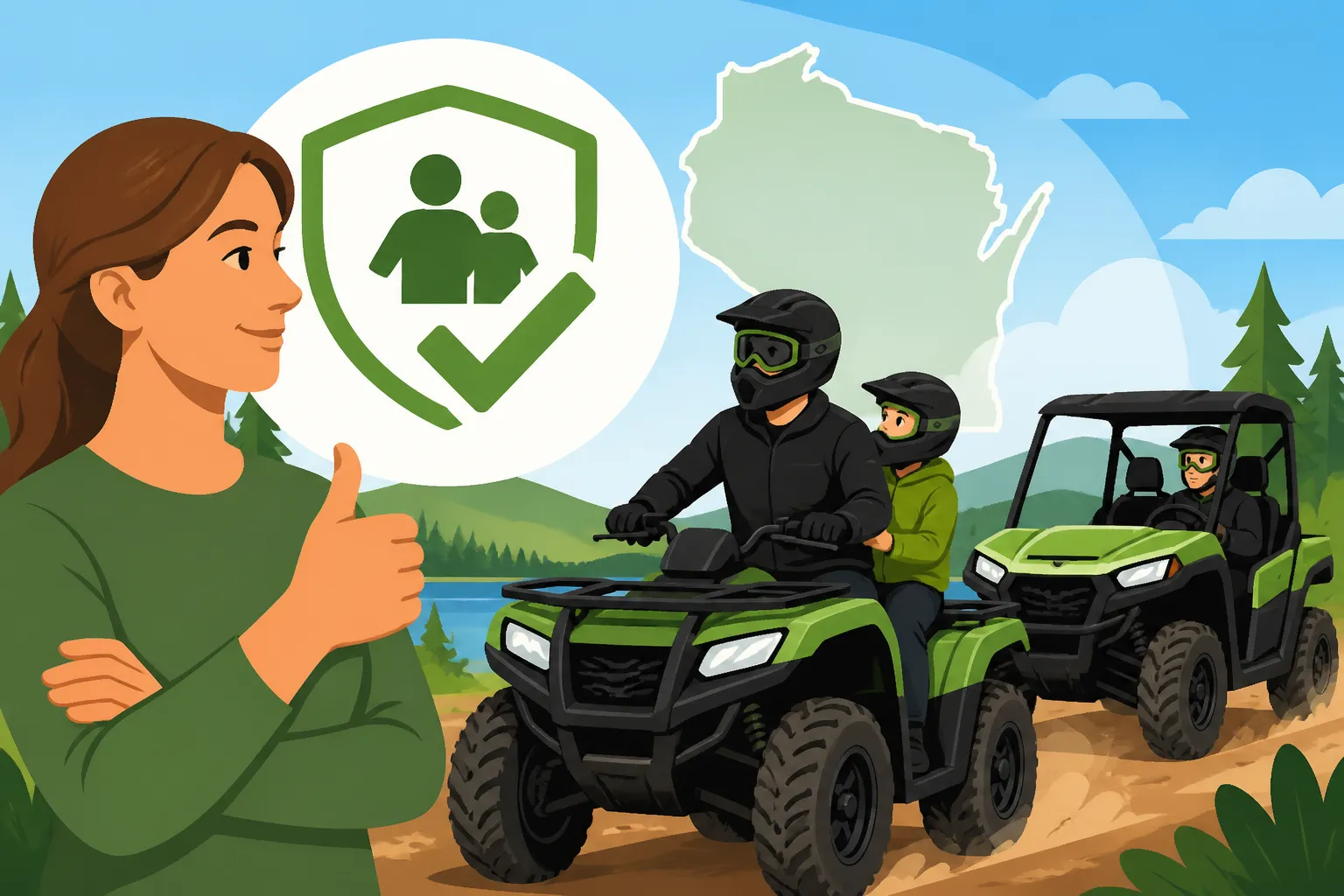
When Wisconsin law talks about a "parent-approved adult," it’s not just any adult. There are specific criteria that must be met for someone to legally supervise a minor on an ATV or UTV on public lands. This designation is crucial for compliance and, more importantly, for ensuring that the supervising individual is genuinely capable and responsible. It’s all about putting qualified people in charge of our younger riders.
The phrase "parent-approved" isn't merely a casual nod from mom or dad. It implies a level of trust and direct authorization. While the law doesn't necessarily require a notarized letter, it does expect that the parent or legal guardian has formally designated this adult to take on the responsibility. This means that if a warden stops a youth rider and asks about their supervisor, the adult should be able to confirm that they are indeed supervising with the parent's full knowledge and consent.
Legal Requirements for the Supervising Adult
For an adult to qualify as a "parent-approved adult" in Wisconsin for ATV/UTV supervision, they must meet two primary criteria:
- Age: The supervising adult must be at least 18 years old. This is a clear, unambiguous requirement. A 17-year-old, no matter how responsible or experienced, cannot legally serve as the supervising adult for a younger rider on public trails or routes. This ensures that the supervisor is a legal adult, capable of making adult decisions and being held accountable.
- Safety Certificate: If the supervising adult was born on or after January 1, 1988, they too must possess a valid ATV or UTV safety certificate. This mirrors the requirement for the youth rider and ensures that the supervisor has also completed the necessary safety education and understands the rules of the trail. It's not enough for the adult to simply be old enough; they must also be knowledgeable about safe riding practices and Wisconsin's specific regulations. For more on this, check out [Wisconsin's ATV Safety Certificate Requirement].
This table summarizes who can operate and who needs to supervise:
| Rider Age Category | Machine Type | Public Land Operation | Supervision Requirement | Supervising Adult Requirements |
|---|---|---|---|---|
| Under 12 | ATV / UTV | Not Permitted | N/A | N/A |
| 12-15 | ATV | Permitted | Yes, Parent-Approved Adult | 18+ years old, Safety Cert (if born after 1/1/88) |
| 16+ | ATV | Permitted | No (if certified) | N/A |
| 16-17 | UTV | Permitted | Yes, Parent-Approved Adult | 18+ years old, Safety Cert (if born after 1/1/88) |
| 18+ | UTV | Permitted | No (if certified) | N/A |
Note: All riders born on or after January 1, 1988, regardless of age, must possess a valid ATV or UTV safety certificate to operate on public lands.
Who Can Be a Parent-Approved Adult?
Beyond the legal age and safety certificate, the "parent-approved" aspect is critical. This means the individual has been explicitly entrusted by the minor's parent or legal guardian to oversee the young rider. It could be an older sibling, a grandparent, an aunt or uncle, a family friend, or even a coach from an ATV club. The key is that the parent has given their consent for this specific individual to supervise their child.
It's a good idea to have a clear conversation with any adult you designate for this role, ensuring they understand the responsibility they're taking on. This isn't just about sharing a fun day on the trails; it’s about accepting accountability for the youth’s safety and adherence to all regulations. If a warden encounters a situation where supervision is required but the adult present cannot confirm parental approval or doesn't meet the legal requirements, it could lead to citations, which can be an unpleasant surprise for everyone involved, as detailed in [Wisconsin Penalties for Reckless Riding].
Responsibilities of the Supervising Adult
Being a "parent-approved adult" isn't just about meeting the minimum legal criteria; it comes with significant responsibilities, both legal and practical. Your role as a supervisor goes far beyond simply being present. You are the frontline for safety, education, and ensuring a positive experience for the young rider and everyone else on the trails. It's about setting a good example and actively guiding the youth through their riding experience.
Many seasoned riders can sometimes forget how much there is to learn when you're first starting out. Things that feel like second nature to an experienced adult—like reading the terrain, anticipating turns, or understanding trail etiquette—are brand new concepts for a young rider. The supervising adult's job is to bridge that gap, providing real-time instruction and support, making the learning process safe and enjoyable.
Ensuring Direct Supervision and Safety
The most immediate responsibility is direct supervision. This generally means the supervising adult must be within sight and hearing of the youth rider at all times. They should be close enough to intervene immediately if an issue arises, whether it's a mechanical problem, a difficult section of trail, or a lapse in judgment by the young rider. Riding far ahead or lagging far behind the youth isn't considered direct supervision and could put everyone at risk.
Beyond just being present, the adult is responsible for ensuring the youth is operating their machine safely and legally. This includes:
- Proper Machine Size and Type: Verifying that the ATV or UTV is appropriate for the youth's age, size, and skill level. A machine that's too powerful or too large can be incredibly difficult for a young rider to control, increasing the risk of an accident. [Wisconsin Age Rules for ATVs and UTVs] has more on this.
- Mandatory Safety Gear: Confirming the youth is wearing all required safety gear. For riders under 18, this means a DOT-compliant helmet. Eye protection is also highly recommended for all riders, as are gloves, sturdy boots, and long pants/sleeves. For more on this, refer to [Wisconsin Helmet Rules for Riders Under 18].
- Adherence to Trail Rules: Educating the youth on trail etiquette, speed limits, right-of-way rules, and avoiding prohibited areas. This includes understanding the designated routes and staying off private property. What a Wisconsin warden asks a rider for includes checking for compliance with these rules. You can learn more about [What a Wisconsin Warden Asks a Rider For] to be prepared.
- Emergency Preparedness: Carrying a basic first-aid kit, a phone (though cell service can be spotty in some Northwoods areas), and understanding how to handle minor breakdowns or injuries.
Setting a Good Example and Educating
A supervising adult is also a mentor. The best way to teach safe and responsible riding is to demonstrate it yourself. This means:
- Following the Rules: Always obeying speed limits, staying on marked trails, and respecting other trail users. If the youth sees the adult cutting corners or riding recklessly, they are likely to emulate that behavior.
- Respecting the Environment: Emphasizing "leave no trace" principles, avoiding littering, and understanding the impact of off-road vehicles on natural habitats.
- Mechanical Awareness: Teaching the youth basic machine checks, like inspecting tires, checking fluid levels, and understanding how controls work. Familiarizing them with accessories, such as winches or auxiliary lighting, perhaps from a reputable brand like SuperATV, can also be part of this education.
- Navigational Skills: Helping the youth understand maps, GPS devices, and trail markers, so they can develop their own navigational abilities over time.
This mentorship role is incredibly valuable. It's not just about compliance; it's about fostering a lifelong love for the outdoors and responsible recreation.
Preparing for a Ride with a Youth and Supervisor
Hitting the trails with a young rider and a parent-approved adult requires more than just showing up and riding. Thoughtful preparation can make the difference between a fantastic day of memories and a frustrating, or even dangerous, experience. From checking the machines to planning the route, every detail counts when you have a young, less experienced rider in tow.
Often, the excitement of getting out overshadows the planning, but those moments before you leave the driveway are crucial. Think about the entire journey, from loading up to getting back home. What could go wrong? What might a young rider need that an adult typically wouldn't? Addressing these questions ahead of time will lead to a smoother, safer ride for everyone involved.
Machine Checks and Safety Gear
Before you even load up the machines, a thorough pre-ride inspection is non-negotiable. This is even more important when a young rider is involved.
- Tires: Check air pressure and look for any cuts or punctures. Correct tire pressure is critical for handling, especially for smaller riders.
- Brakes: Ensure both front and rear brakes are fully functional and responsive.
- Fluids: Check engine oil, coolant, and brake fluid levels.
- Lights: Verify headlights, taillights, and brake lights are working. This is particularly important if you might be out near dusk or on trails that run into road routes.
- Controls: Test the throttle for smooth operation and ensure the steering turns freely.
- Loose Parts: Look for any loose bolts, nuts, or components that could vibrate off during the ride.
- Machine Setup: For youth machines, double-check speed limiters or throttle stops are set appropriately for the rider's skill level. If you've added any aftermarket parts, like a specialized rear grab bar or safety nets for a UTV, perhaps from a brand like SuperATV, ensure they are securely installed.
As for safety gear, it’s not just a suggestion – it’s a requirement, especially for youth. Every rider, particularly those under 18, needs:
- DOT-Compliant Helmet: No exceptions for youth. Make sure it fits snugly but comfortably.
- Eye Protection: Goggles or a full-face helmet visor are essential to protect against dust, bugs, branches, and debris.
- Gloves: Protect hands from blisters and minor abrasions.
- Over-the-Ankle Boots: Crucial for ankle support and protection from the machine's hot parts and trail hazards.
- Long-Sleeved Shirt and Long Pants: Offer protection from sun, branches, and scrapes.
This is the bare minimum for [What Wisconsin Riders Need Before They Ride] to be safe and legal on the trails.
Route Planning and Communication
Selecting the right route is paramount for a successful outing with a young rider. Don't choose the most challenging trail system on their first few rides.
- Skill-Appropriate Trails: Pick trails that match the youth's skill level. Look for flatter, wider, less technical trails initially. Many county trail systems in Wisconsin are rated for difficulty, so consult maps.
- Shorter Loops: Plan for shorter loops with frequent breaks. Young riders tire more easily, and fatigue leads to errors.
- Know the Rules of the Route: If you plan to use [Wisconsin Road Route Rules for a 15-Year-Old], ensure you understand the speed limits, crossing rules, and any specific municipal ordinances that might apply.
- Fuel Stops: Know where gas stations are, especially in remote areas.
- Communication: Discuss hand signals and agree on stopping points. Ensure the youth knows to stay behind the supervising adult, or if riding abreast on wide enough trails, to stay within sight. Carrying a two-way radio can be helpful in areas with poor cell service.
- Contingency Plan: Discuss what to do if someone gets separated or if there's a breakdown. Have a designated meeting spot.
Remember, a supervising adult is effectively the "captain" of this riding adventure. Their planning and attention to detail directly contribute to a safe, fun, and memorable experience for the young rider. For UTVs, ensuring proper restraints and passenger security is paramount. Some owners even add custom netting or upgraded harnesses, with many reputable companies like SuperATV offering such safety-focused accessories.
Disclaimer
This article is for general informational purposes only and does not constitute professional advice. Laws, prices and regulations vary by location and change over time. Consult a qualified professional for guidance on your specific situation.