Towing a Small Trailer on a Wisconsin Route
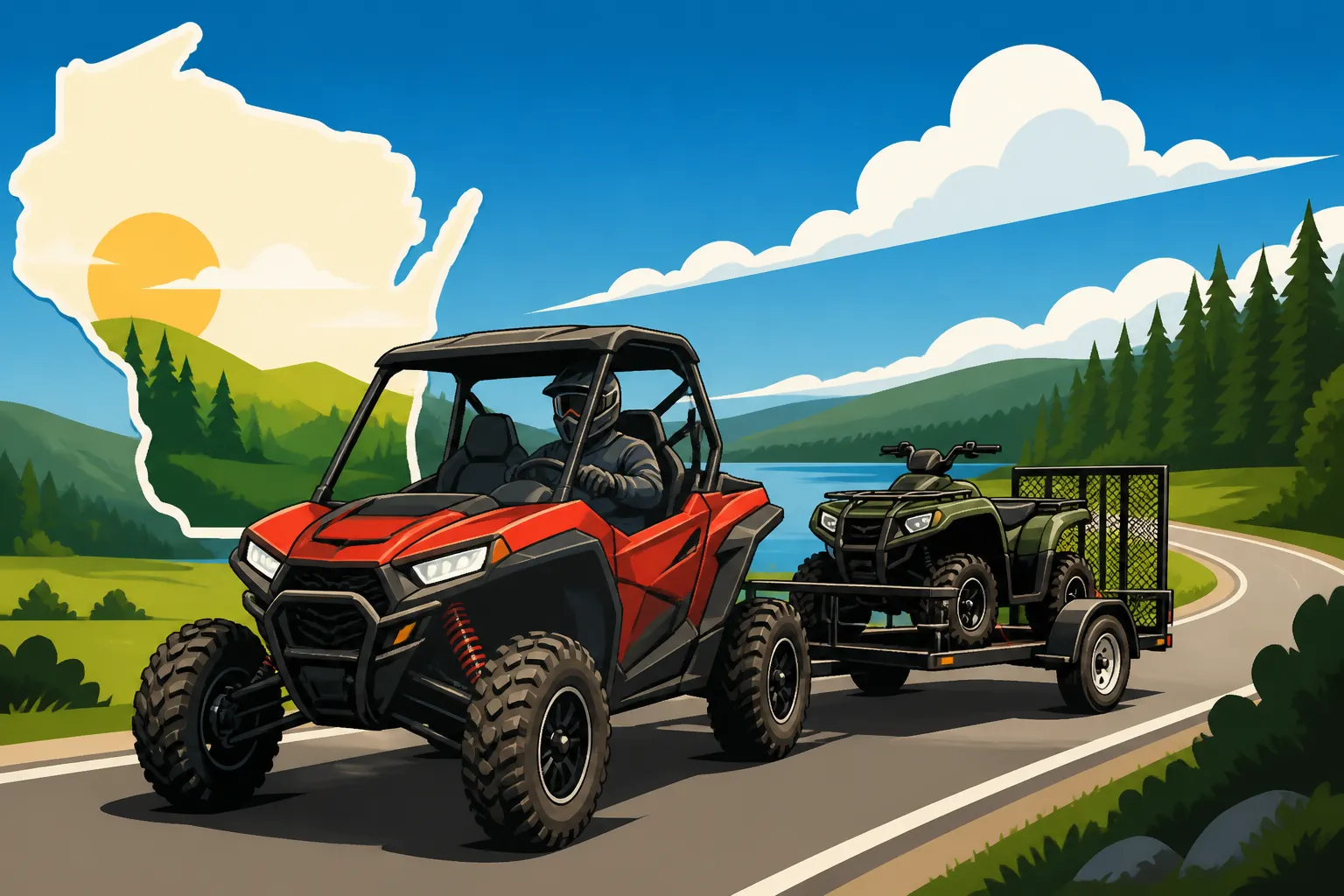
Picture this: you're planning an epic weekend up in the Northwoods, maybe hitting the trails around Eagle River or venturing into the vast county forests, and you've got more gear than your quad's racks can possibly handle. Or maybe you're just trying to haul some firewood back to camp, or even bring home a successful hunting harvest. You know your ATV or UTV is a workhorse, but can it safely and legally tow a small trailer on those designated Wisconsin road routes? It’s a common question, and one that brings a fair bit of confusion. This guide is here to clear the air, breaking down everything you need to know about hitching up a small trailer to your machine and navigating Wisconsin's route system with confidence, so you can haul your essentials without a hitch – pun intended!
Why Consider Towing a Small Trailer on a Wisconsin Route?
Let's be honest, those built-in racks and cargo boxes on your ATV or UTV are fantastic for a quick run or a day trip, but they have their limits. When you're heading out for a longer adventure or need to transport bigger items, suddenly you're playing a game of Tetris, trying to strap everything down and hoping it doesn't shift. This is where a small trailer really shines, transforming your machine into an even more versatile utility vehicle.
Expanding Your Carrying Capacity
The primary reason most riders consider a trailer is simple: more space! Whether you're packing for a multi-day camping trip or just need to bring extra tools for a trail maintenance project, that additional cargo room can be a game-changer.
Hunting and Fishing Gear
For the avid hunter or angler, a small trailer is almost a necessity. Imagine trying to cram all your deer stands, hunting blinds, coolers, and processing equipment onto your quad. It’s not just difficult; it can be downright dangerous, impacting your machine's balance and handling. With a utility trailer, you can neatly pack everything, including your fishing rods, tackle boxes, and maybe even a small Jon boat if the trailer is designed for it, making your trips to those hidden fishing holes or remote deer camps so much easier. Plus, if you're lucky enough to tag a big buck, that trailer becomes invaluable for hauling your harvest out of the woods, especially when utilizing designated ATV routes to get closer to your hunting grounds.
Camping and Picnic Supplies
Family outings or group rides often mean bringing along more than just a sandwich and a water bottle. Think about coolers packed with ice and drinks, picnic baskets, folding chairs, tents, sleeping bags, and all the cooking gear for a proper trailside feast. Trying to balance a giant cooler on your front rack while also having a passenger behind you is an exercise in futility and risk. A small trailer allows you to spread out the load, keeping the weight low and stable, which is crucial when you're traversing a [Wisconsin Route Through a Swamp] or climbing a sandy incline. It means you can bring those creature comforts that make an outdoor experience truly enjoyable.
Trail Maintenance or Work Duty
Beyond recreation, many ATV and UTV owners use their machines for practical tasks, especially if they own land or are involved with local ATV clubs. If you're hauling fencing materials, tools for trail repairs, bags of sand for improving drainage, or even pulling a small log splitter, a trailer is indispensable. For club volunteers working on improving [Wisconsin County Forest Trail Systems], being able to tow specialized equipment to a remote site can save hours of manual labor. This utility aspect is a huge draw for many riders, making their machine an even more valuable asset.
Convenience for Longer Trips and Errands
The flexibility a trailer offers extends beyond just carrying more stuff; it fundamentally changes how you can use your ATV or UTV for longer journeys or everyday errands in communities that embrace ATV routes.
Hauling Firewood to a Campsite
There's nothing quite like a roaring campfire after a long day of riding. But gathering enough firewood, especially if you're staying at a campground where it's not readily available or you're allowed to collect deadfall, often means multiple trips or awkwardly strapping bundles onto your machine. A small utility trailer can handle a substantial load of firewood in one go, saving you time and effort. This is particularly useful when you're base camping for several days and need a steady supply of fuel for your evening fires. Imagine getting back to camp with a full load, ready to relax by the crackling flames.
Bringing Supplies Back from Town
Many small Wisconsin towns have embraced ATVs and UTVs, designating routes that allow riders to access businesses, restaurants, and even grocery stores. If you're staying at a cabin or campground and need to pick up groceries, ice, or even a forgotten necessity, navigating those [Wisconsin Towns With Miles of Open Roads] with a small trailer attached to your UTV can turn a chore into part of the adventure. It beats having to unhook your machine from your truck, load it back on, and drive the truck to the store. This seamless integration of machine utility into daily life is one of the joys of riding in Wisconsin. Just be mindful of [Speed Limits on a Wisconsin Route] when you're loaded up!
Supporting Group Rides
When you're out with a group, someone inevitably forgets something or needs an extra layer. Having a support trailer with emergency supplies, spare fuel, first aid kits, or even extra snacks can be a real lifesaver. One person in the group can be designated to pull the "support trailer," carrying all those communal items that make a group ride smoother and safer. This also allows individual riders to travel lighter on their machines, focusing more on the ride itself rather than worrying about their personal cargo capacity. It adds an element of preparedness and comfort that enhances the entire group experience.
Navigating Wisconsin's Regulations for Towing on Routes
While the idea of towing a trailer with your ATV or UTV on Wisconsin's designated routes sounds fantastic, it's not a free-for-all. Wisconsin has specific rules and regulations in place to ensure everyone's safety, and ignoring them can lead to citations or, worse, accidents. It's crucial to understand what you can and cannot do before you hitch up.
Understanding the Legal Framework
The Wisconsin Department of Natural Resources (DNR) sets the statewide rules for ATV and UTV operation, but local municipalities often have additional ordinances for their specific road routes. This layered approach means riders need to be diligent in checking both state law and local rules.
Specifics of Wisconsin ATV/UTV Regulations
Wisconsin state law defines ATVs and UTVs and outlines where and how they can be operated. When it comes to towing, the general principle is that your machine must be capable of safely handling the load. While there isn't a single, easily digestible state statute that says "thou shalt not tow more than X pounds with an ATV on a route," the law emphasizes safe operation. This means if your trailer is too heavy, too wide, or otherwise makes your machine unstable or difficult to control, you could be cited for reckless operation or creating a hazardous situation. The onus is on the operator to ensure their setup is safe. It's also worth reviewing general rules like [Wisconsin Alcohol Limits for ATV Operators] to ensure you're always operating responsibly, especially with a trailer in tow.
Weight and Size Limits for Trailers
This is where things can get a bit vague, as Wisconsin state statute doesn't specify a universal maximum weight or dimension for an ATV/UTV trailer. Instead, it relies on the vehicle manufacturer's recommendations and the "safe operation" principle.
For example, if your UTV manual states a maximum towing capacity of 1,500 pounds, exceeding that is not only unsafe but could also put you in violation of general safe operation laws.
When considering size, remember that ATV and UTV routes are often shared with cars, cyclists, and pedestrians. A trailer that makes your overall rig excessively wide or long could impede traffic or pose a hazard. You'll want to keep your trailer dimensions reasonable, usually within the width of your machine plus a small margin. Think about rural roads that are sometimes narrow, where a wide trailer could scrape shoulders or be difficult to navigate around oncoming vehicles.
| Aspect | Recommendation/Requirement | Notes |
|---|---|---|
| Towing Capacity | Adhere to your ATV/UTV manufacturer's maximum rating. | Exceeding this voids warranties and creates unsafe conditions. |
| Trailer Width | Generally, no wider than the towing vehicle plus reasonable clearance. | Avoid obstructing traffic or making turns hazardous. Check local ordinances for specific width limits. |
| Trailer Length | Keep overall length manageable for turns and maneuvers on routes. | Longer trailers are harder to back up and swing wider. |
| Braking | Trailer brakes recommended for heavier loads (over 1,000 lbs, check state laws for specific thresholds). | Ensure trailer brakes are operational if equipped. Many small ATV trailers are unbraked. |
| Hitch Type | Use a securely mounted hitch appropriate for your machine's frame. | Ball hitches are common; ensure ball size matches coupler. Aftermarket options like those from SuperATV can provide robust solutions. |
| Safety Chains | Two independent safety chains, crossed, are mandatory. | Must be strong enough to retain the trailer if the hitch fails. |
| Lighting | Taillights, stoplights, turn signals, and reflectors required if trailer obscures vehicle lights or is wider than 3 feet. | A working wiring harness is essential. Red reflectors to the rear, amber to the front/sides. |
| Fenders | Recommended to prevent debris from being thrown, often required for specific vehicle types. | While not always explicitly for small ATV trailers, good practice. |
| Secure Cargo | All cargo must be securely contained or tied down. | Prevent shifting or falling objects, which can be extremely dangerous. |
Local Ordinances and Additional Rules
This is perhaps the trickiest part. While the DNR sets the statewide foundation, individual towns and counties that open their roads to ATVs and UTVs can impose stricter rules. A town might have a specific ordinance limiting trailer length, requiring fenders, or even prohibiting certain types of trailers altogether on their [Wisconsin Town Roads Open to ATVs]. It’s your responsibility to check the local ordinances for any area you plan to ride through with a trailer. This information is usually available on the town or county website, or by contacting their clerk's office. Don't assume that just because it's okay in one town, it's fine everywhere. Ignorance of local laws is not a valid excuse if a warden pulls you over. This is a great example of why it's important to [Read Wisconsin Municipal Ordinances Riders Must Read].
Essential Safety and Equipment Requirements
Beyond weight and size, specific safety equipment is non-negotiable when towing a trailer. These requirements are in place to make your rig visible and predictable to other road users, greatly reducing the risk of an accident.
Lighting, Reflectors, and Marking
Just like any other vehicle on the road, your trailer needs to be properly lit and marked. If your trailer, when hitched, obscures your ATV or UTV's taillights, brake lights, or turn signals, then the trailer itself must have its own functioning lights for these purposes. This is especially critical for [Lighting Rules for Wisconsin Night Riding]. Even in daylight, a trailer that's wider than a certain threshold (often three feet, though check local specifics) might need additional amber reflectors on the sides and red reflectors on the rear. A reflective "slow-moving vehicle" triangle sign on the back of the trailer is also a smart idea, as ATVs and UTVs, especially with a trailer, will be moving slower than typical road traffic. Proper lighting ensures that drivers approaching from behind or the side can clearly see your entire rig, its size, and your intentions.
Hitches, Couplers, and Safety Chains
The connection between your machine and your trailer is paramount. A properly rated hitch installed directly onto your ATV or UTV frame is essential. Most ATVs come with a small receiver or a ball hitch integrated into the frame, but for heavier towing, an aftermarket hitch might be a wise upgrade. The coupler on the trailer must securely fit the hitch ball on your machine, and both components should be rated for the weight you intend to tow.
Crucially, you absolutely must have two separate safety chains, crossed under the coupler, connecting the trailer tongue to your ATV or UTV. These chains are your backup in case the primary hitch connection fails. They should be strong enough to keep the trailer attached and prevent it from veering off into traffic. Ensure they are not dragging on the ground and have just enough slack to allow for turns without binding. Products from reputable brands like SuperATV offer robust hitch receiver options and towing accessories that can provide extra peace of mind.
Braking Considerations for Heavier Loads
For many small, lightweight ATV utility trailers, integrated trailer brakes aren't standard. However, as your total towed weight increases, so does the stopping distance and the strain on your ATV or UTV's braking system. If you're towing a heavier load, particularly one exceeding, say, 1,000 pounds (check specific state or manufacturer recommendations for thresholds that might require brakes), a trailer with its own braking system becomes a critical safety feature. These can be surge brakes (hydraulic, activated by the trailer pushing against the tow vehicle) or electric brakes (requiring a controller in the tow vehicle). While an ATV/UTV might not easily accommodate an electric brake controller, heavier UTVs are sometimes equipped for this. Always consider the combined weight of your trailer and its cargo, and how that will impact your ability to stop safely, especially on downhill grades or in emergency situations. Pushing your machine's brakes beyond their comfortable capacity is a recipe for disaster.
Practical Tips for Safe and Enjoyable Trailer Towing
Knowing the rules is one thing; putting them into practice safely is another. Towing a trailer significantly changes how your ATV or UTV handles, and it requires a different approach to driving. A little preparation and careful technique can make all the difference between a smooth trip and a frustrating, or even dangerous, one.
Matching Your Machine to the Load
Not all ATVs and UTVs are created equal when it comes to towing. While most can handle a small load, understanding your specific machine's capabilities is foundational to safe towing.
Checking Your ATV/UTV's Towing Capacity
This is perhaps the most important piece of information you need. Every ATV and UTV manufacturer specifies a maximum towing capacity in the owner's manual. This figure is not just a suggestion; it's a critical safety limit. Exceeding it puts undue stress on your engine, transmission, frame, and braking system. For example, a smaller sport quad might have a towing capacity of only a few hundred pounds, while a large utility UTV could easily handle 1,500 pounds or more. Always calculate the total weight of your loaded trailer, including the trailer itself and its contents, and ensure it's well within your machine's specified limit. It's always better to stay a bit below the maximum to give yourself a safety margin, especially if you're navigating [Wisconsin Trails That Cross a County Line] with varying terrain.
Tire Pressure and Suspension Adjustments
When you add a significant load to the rear of your ATV or UTV (through tongue weight), it compresses the rear suspension. This can lighten the front end, affecting steering and traction. To compensate, you might need to adjust your tire pressure. Often, increasing the air pressure in your rear tires to the upper end of the manufacturer's recommended range (or even slightly above, if your tires are rated for it and you're not exceeding vehicle gross weight ratings) can help stabilize the load. If your machine has adjustable suspension, stiffening the rear shocks can help maintain a level stance and prevent bottoming out. Some riders even add aftermarket helper springs or air shocks, particularly for UTVs that regularly tow heavy loads. A saggy rear end doesn't just look bad; it compromises handling and safety.
Engine and Transmission Strain
Towing heavy loads puts a considerable strain on your machine's engine and transmission. It's not just about getting the trailer moving, but about dissipating the heat generated. You'll likely be operating in lower gears more often, and your engine will be working harder, especially on hills. Be mindful of your engine temperature gauge if your machine has one, and take breaks if you notice it running hotter than usual. For UTVs with Continuously Variable Transmissions (CVT), towing can put extra wear on the drive belt. Avoid sudden, aggressive acceleration, and if you have low range, use it on hills or when starting from a stop with a heavy load. Using an appropriate gear ratio is key to preventing premature wear and tear on your powertrain.
Mastering Driving Techniques with a Trailer
Driving an ATV or UTV with a trailer is fundamentally different from driving it solo. It requires patience, foresight, and a keen awareness of your surroundings.
Slowing Down and Anticipating Turns
The biggest change you'll notice is your stopping distance. Even a small trailer adds significant momentum, meaning it will take much longer to come to a complete stop. Always increase your following distance and begin braking much earlier than you would normally. When approaching turns, remember that your trailer will cut corners more sharply than your machine. This is called "off-tracking." To avoid clipping curbs, trees, or other obstacles, make wider turns. Start your turn later and pull out wider before initiating the turn, allowing the trailer to follow a gentler arc. This is especially important on tight [Wisconsin Road Route] sections or when pulling into a gas station.
Managing Hills and Uneven Terrain
Hills become a much bigger challenge with a trailer. When climbing, maintain a steady speed and use a lower gear to keep your engine in its power band, preventing bogging down. Avoid trying to accelerate hard up a steep incline with a heavy load, as this can strain your drivetrain or cause loss of traction. When descending, engage engine braking (if your machine has it) or select a low gear to control your speed without overusing your brakes. Constant braking on a downhill can lead to brake fade, where your brakes lose effectiveness due to overheating. On uneven or slippery terrain, go even slower. A trailer can push or pull your machine unexpectedly, potentially causing a loss of control. Always keep your machine and trailer aligned as much as possible, avoiding abrupt steering inputs.
Backing Up and Maneuvering in Tight Spots
Backing up with a trailer is notorious for being tricky, and it's even more so with a short, single-axle trailer like those often pulled by ATVs/UTVs. The shorter the trailer, the quicker it responds to steering inputs, and often, the quicker it jackknifes. The key is small, slow steering corrections. Turn your steering wheel slightly in the opposite direction you want the trailer to go. Watch your mirrors (if you have them) and occasionally glance back to get a sense of the trailer's angle. If you get into trouble, pull forward to straighten out and start again. Don't be afraid to get off your machine and walk around to assess the space, or even unhitch and manually push the trailer into place if the spot is particularly tight. Practice in an open area before you attempt it on a busy route or at a crowded [Wisconsin Trailhead Parking and Staging] area.
Choosing the Right Trailer and Accessories
Picking the right trailer and equipping it properly is as important as knowing how to drive it. The market offers a range of options, and a little forethought can save you headaches down the road.
Types of Small Trailers for ATVs/UTVs
Small trailers designed for ATVs and UTVs are typically single-axle units, but they come in various configurations suited for different tasks.
Utility and Cargo Trailers
These are the most common type, featuring a simple box design with low sides, sometimes with a dump feature. They're incredibly versatile for hauling firewood, landscaping materials, tools, camping gear, or even a successful hunting harvest. Look for models with sturdy steel construction, a robust frame, and perhaps a removable tailgate for easier loading and unloading. Some even come with wider tires for better flotation on soft ground, which is a bonus if you're pulling it off the paved route and into a designated trail staging area. Manufacturers often offer options with mesh or solid sides, and sometimes even taller enclosures to prevent cargo loss.
Specialty Trailers for Hunting or Kayaks
Beyond general utility, you can find trailers designed for very specific purposes. Game carts, for example, are often rugged, simple trailers built to handle the weight and mess of hauling a deer or bear out of the woods. They might have wider, aggressive tires and a robust suspension to handle rougher terrain. Similarly, there are small trailers adapted to carry kayaks, canoes, or even small fishing boats, allowing you to get your watercraft to remote access points accessible by ATV/UTV routes. These often have specialized racks or cradles to secure the vessel. While very useful for their niche, they tend to be less versatile for general cargo hauling.
DIY Solutions and Their Risks
Some riders, particularly those with a knack for fabrication or a tight budget, might consider building their own small trailer. While this can be a rewarding project, it comes with significant risks. Homemade trailers must still comply with all state and local regulations regarding lighting, safety chains, and general roadworthiness. An improperly designed or constructed trailer can be unstable, prone to breaking down, or outright dangerous. If you're going the DIY route, ensure you use proper materials, follow established engineering principles for weight distribution and structural integrity, and have all required safety features installed. Remember, if your homemade trailer causes an accident or falls apart on a public route, you are fully liable.
Must-Have Towing Accessories
Once you have your trailer, a few key accessories can make your towing experience safer, easier, and more reliable. Don't skimp on these essentials.
Reliable Hitches and Couplers
As mentioned earlier, a secure connection is non-negotiable. Ensure your ATV or UTV has a strong, properly mounted hitch receiver. Many machines come with a basic hitch, but for serious or frequent towing, an upgraded hitch might be beneficial. Look for robust steel construction and a good fit. The hitch ball on your machine must match the coupler on your trailer perfectly to prevent rattling or accidental unhitching. Regularly inspect both for wear, rust, or damage. Aftermarket specialists like SuperATV offer heavy-duty hitch receiver options and related towing components that can significantly enhance your machine's towing prowess and durability. Their products are designed to withstand the rigors of off-road and route use, offering superior strength and fit over generic options.
Cargo Management and Securement
Loose cargo is dangerous cargo. Everything in your trailer needs to be securely tied down or contained to prevent it from shifting, bouncing out, or creating an unbalanced load. Use heavy-duty ratchet straps or cam buckle straps that are rated for the weight you're hauling. Bungee cords are generally not sufficient for securing heavy or bulky items. Consider a cargo net or a tarp to cover the load, especially if you're carrying lighter items that could blow out. A well-balanced load, with heavier items placed over or slightly forward of the trailer's axle, is crucial for stability. SuperATV also offers a range of cargo management accessories, from tie-down anchors to nets, designed to keep your gear safe and secure, whether you're hauling a cooler or hunting supplies.
Wiring Harnesses and Lights
If your trailer needs its own lights (and most do if it's wider than your machine or obscures your machine's lights), you'll need a reliable wiring harness. These typically plug into your ATV or UTV's existing lighting system, providing power for taillights, brake lights, and turn signals on the trailer. Ensure the harness is waterproof and routed safely away from moving parts or hot exhaust components. Regularly check that all trailer lights are functioning correctly before each trip. A burnt-out bulb or a loose connection can lead to a costly ticket or, more importantly, a dangerous situation where other drivers don't know your intentions. Always carry spare bulbs if possible, especially on longer trips into areas with limited services.
Disclaimer
This article is for general informational purposes only and does not constitute professional advice. Laws, prices and regulations vary by location and change over time. Consult a qualified professional for guidance on your specific situation.