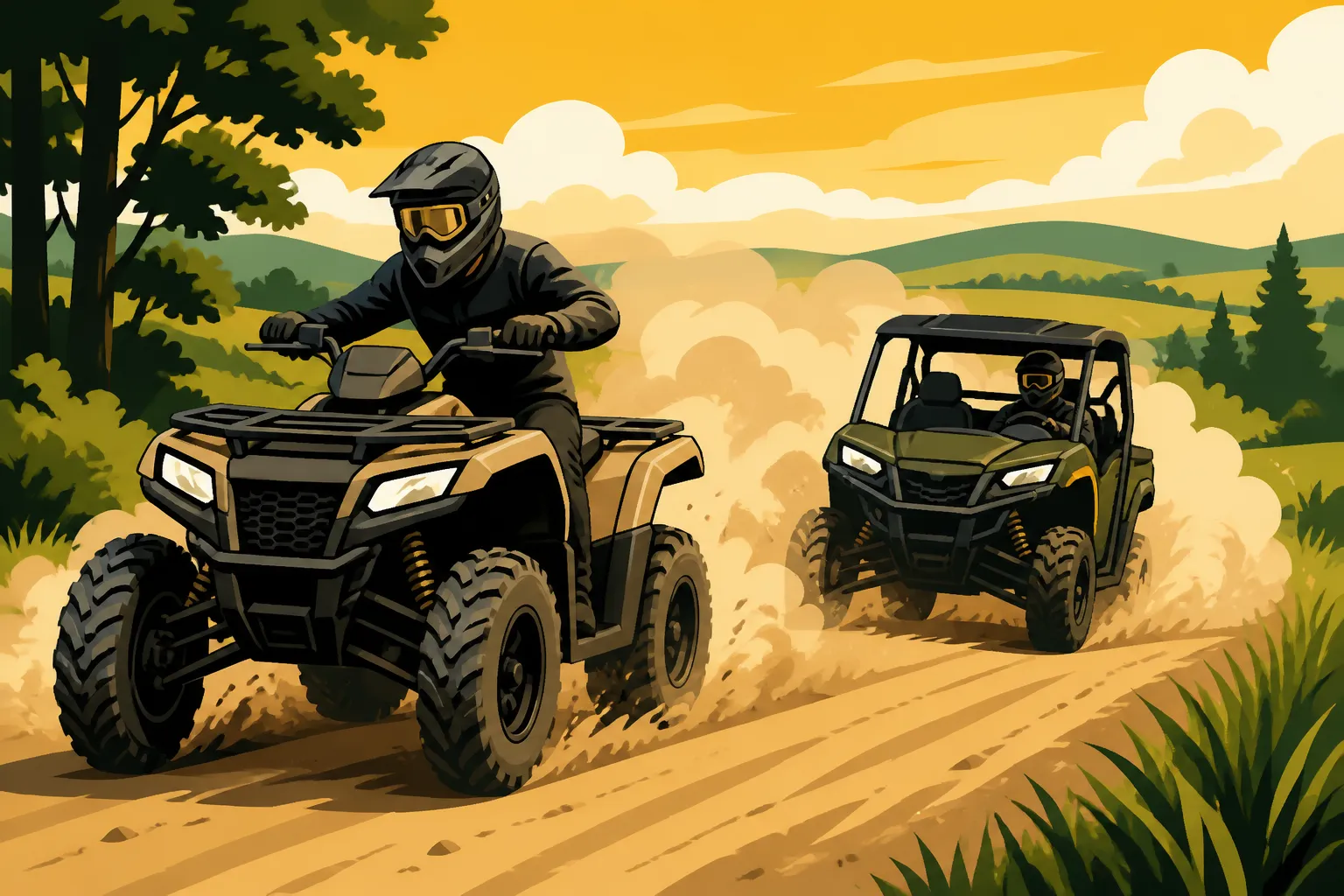
Dust on a Dry Wisconsin Town Road
Riding your ATV or UTV on a beautifully maintained Wisconsin road route, especially through the charming Northwoods, is one of life's true pleasures. But when those gravel and dirt roads dry out, that pleasure can quickly turn into a gritty, choking nightmare of dust. This guide dives deep into why dust on a dry Wisconsin town road is such a persistent problem for riders and residents alike, and what practical steps everyone can take to manage it, making your adventures more enjoyable and less impactful.
The Choking Cloud: Why Dust is Such a Problem on Wisconsin Town Roads
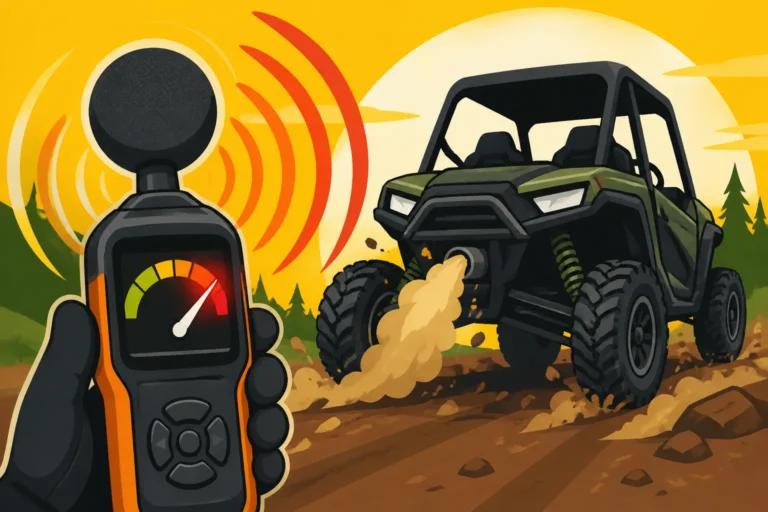
Let's be honest, nothing ruins a scenic ride quite like a massive cloud of dust billowing up behind you, obscuring your view, caking your gear, and even making it hard to breathe. When those rural Wisconsin town roads, often gravel or compacted dirt, dry out completely, they become prime candidates for dust creation. It's not just an annoyance; it's a multi-faceted problem that impacts everyone in the vicinity.
Impact on Rider Comfort and Safety
Imagine you're cruising along a beautiful route, perhaps heading towards a trail connector in Vilas County, enjoying the crisp air. Suddenly, the machine ahead kicks up a wall of fine, powdery dust. Your visibility drops to zero. Your goggles get coated, and you're left guessing what's ahead. It’s not just uncomfortable; it’s genuinely dangerous. Dust can impair your ability to react to hazards, see oncoming traffic (even if it's just another ATV), or even navigate a turn safely. Breathing in that airborne particulate matter for hours on end can also be irritating, leading to coughing, sneezing, and a general feeling of grunginess that no amount of post-ride shower can quite wash away. It certainly takes the joy out of what should be a relaxing experience.
The Nuisance for Local Residents
While we riders are passing through, the folks who live along these routes have to deal with the dust day in and day out. Picture a charming cabin nestled beside a popular ATV route in Oneida County. Every time a group of machines passes, a cloud of dust settles on their outdoor furniture, their windows, their garden, and even drifts inside their homes. It can contaminate their well water, affect their air conditioning units, and reduce the overall quality of life. For them, it’s not just a temporary inconvenience; it’s a constant battle against grime. This is a real source of friction between residents and riders, and understanding their perspective is crucial for harmonious coexistence. When you're [Riding Slowly Past a Farmyard on a Route], remember that dust is a major concern for the property owners.
Machine Wear and Tear from Dust
Your machine doesn't like dust any more than you do. Fine particulate matter can wreak havoc on an ATV or UTV's sensitive components. The most obvious culprit is your air filter. A clogged air filter chokes your engine, reducing performance and fuel efficiency, and if dust bypasses the filter, it can cause severe internal engine wear. But it doesn't stop there. Dust acts as an abrasive, grinding away at bearings, bushings, and suspension components. It can get into electrical connections, causing intermittent issues or failures. Constant exposure can also fade paint and plastics, making your machine look older than its years. Over time, all this dust-induced wear adds up to higher maintenance costs and a shorter lifespan for your beloved quad or side-by-side.
Understanding Wisconsin's Road Route System and Dust
Wisconsin has done a fantastic job of opening up thousands of miles of town and county roads to ATV and UTV traffic, creating an unparalleled network for exploration. However, this shared use comes with unique challenges, and dust is high on that list. Unlike designated trails which might be engineered for specific uses, these are working roads, often serving homes, farms, and local businesses.
How Town Roads Become ATV/UTV Routes
For a Wisconsin town road to become an official ATV/UTV route, local municipalities have to go through a process, often involving public meetings and a vote by the town board. They set ordinances defining hours of operation, speed limits, and other rules. These routes are a huge boon for local economies, connecting trail systems and allowing riders access to fuel, food, and lodging. But here's the kicker: many of these town roads were never designed to handle the consistent churning effect of off-road tires, especially during dry spells. They might be well-graded gravel, but that doesn't make them dust-proof. The local government has to weigh the economic benefits against the impacts on residents, and dust frequently comes up in these discussions. Knowing [How a Wisconsin Town Opens an ATV Route] can help you understand the compromises involved.
The Shared Responsibility of Dust Management
Because these are shared roadways, managing dust becomes a shared responsibility. The towns themselves often invest in dust control measures like applying calcium chloride or watering down roads, but these solutions are costly, temporary, and dependent on municipal budgets and resources. Riders also play a huge role. Our actions directly influence the amount of dust generated. Blaming one side or the other doesn't solve the problem; it requires cooperation and understanding from both the riding community and the local residents. Everyone wants to enjoy the beauty of Wisconsin, whether from their front porch or the seat of their UTV, and finding common ground on dust mitigation is key to that enjoyment.
Strategies for Managing and Reducing Dust
Thankfully, there are many proactive steps riders and communities can take to lessen the impact of dust. It's not about eliminating it entirely – that's often impossible on unpaved roads – but about significantly reducing its nuisance and harm.
Rider Practices to Minimize Dust
As riders, we have a direct influence on how much dust we kick up. The simplest and most effective strategy is to slow down. High speeds churn up significantly more dust than a gentle pace. Think about it: the faster your tires spin, the more air they displace, and the more fine particles they lift into the atmosphere. On dry sections, ease off the throttle. Maintain a greater following distance from other riders, especially in a group, to allow dust to settle. This also improves safety by giving you a clearer view ahead. [Group Etiquette Through a Northwoods Town] suggests riding single file to reduce the overall width of the dust plume. If you see a particularly dry stretch of road, consider riding slightly off the main tire tracks if safe to do so, as the center might be less pulverized. Also, be mindful of the conditions; if it hasn't rained in weeks and the roads are bone-dry, perhaps consider riding a different route with more asphalt or waiting for a wetter day.
Machine Modifications for Dust Control
Beyond riding habits, certain accessories can significantly improve your personal comfort and machine longevity when encountering dust.
- Windshields: For side-by-sides, a full or half windshield is a game-changer. It creates a barrier, deflecting most of the airborne dust over your head or around the cab, rather than directly into your face. Many reputable brands, like SuperATV, offer a wide variety of windshield options, from scratch-resistant polycarbonates to glass, often with quick-release clamps for easy removal. This dramatically improves visibility and comfort for the driver and passenger.
- Rear Dust Panels or Cab Enclosures: This is especially critical for UTVs. The aerodynamics of many side-by-sides create a low-pressure zone behind the cab, effectively sucking dust from the rear into the passenger compartment. A rear dust panel or a full back panel, again, something readily available from companies like SuperATV, can disrupt this airflow, keeping a surprising amount of dust out. For the ultimate in dust protection, a full cab enclosure, complete with doors and roof, can turn your UTV into a much cleaner environment, though it might restrict airflow in hot weather.
- Upgraded Air Filters and Pre-filters: As mentioned, your engine's air filter is its first line of defense. Consider investing in a high-quality aftermarket air filter that offers superior filtration for dusty conditions, or even add a pre-filter system. These can capture larger dust particles before they even reach your main air filter, significantly extending its life and protecting your engine. While these don't reduce the dust you create, they certainly help your machine cope with it. You can find robust air intake protection solutions for many popular models, including those offered by SuperATV, designed to keep your engine breathing clean.
Here's a quick comparison of some dust mitigation strategies:
| Strategy | Description | Pros | Cons |
|---|---|---|---|
| Rider Speed Reduction | Slowing down, increasing following distance | Highly effective, free, improves safety | Can feel slower, requires rider discipline |
| Windshields/Enclosures | Physical barriers on UTVs to deflect dust | Greatly improves rider comfort and visibility in the cab | Cost of accessories, potential glare/visibility issues in other conditions |
| Rear Dust Panels | Blocks dust swirl from the rear into UTV cab | Reduces dust intrusion into the cab from behind | Cost of accessory, might impede rear visibility for some setups |
| Upgraded Air Filters | Enhanced engine air filtration for better protection | Protects engine, reduces maintenance frequency for air filter | Doesn't stop dust, just protects engine; initial cost |
| Community Watering | Spraying roads with water to suppress dust | Immediate, temporary relief for residents and riders | Expensive, temporary, requires equipment/manpower, water source |
| Calcium Chloride | Chemical application that attracts moisture, binding dust particles | Longer-lasting dust suppression than water, improves road surface | Costly, environmental concerns, can be corrosive to vehicles |
Community and Municipal Approaches to Dust
Local towns and counties are often on the front lines of dust control. Their efforts usually involve two main strategies:
- Watering: This is the most immediate solution. A water truck sprays down dry roads, temporarily binding the dust particles and creating a much more pleasant riding surface. The downside is that it's short-lived, especially on hot, sunny or windy days, and requires significant resources and manpower.
- Chemical Dust Suppressants: More effective for longer periods are chemical treatments, most commonly calcium chloride. This salt compound is hygroscopic, meaning it attracts and retains moisture from the air, keeping the road surface damp and binding dust particles. It can significantly reduce dust for weeks or even months. However, it's expensive to apply, and some residents and environmental groups have concerns about its potential impact on local waterways and its corrosive effect on vehicles. Understanding the municipal ordinances is vital, as some towns might have specific rules for dust control or even [Municipal Insurance Requirements in Wisconsin].
Riding Etiquette and Future Considerations
Ultimately, how we interact with Wisconsin's road routes and the communities they pass through will shape the future of our riding privileges. Being proactive and respectful about dust is a major part of that.
The Importance of Respectful Riding
Every time you hit a public road route, you are an ambassador for the entire ATV/UTV community. Excessive dust generation creates negative impressions and can lead to increased complaints from residents, potentially resulting in stricter ordinances, reduced route mileage, or even closures. Riding slowly, especially when passing homes or other vehicles, is not just about safety; it's about showing respect. Imagine it's your home being covered in dust – you'd want riders to be mindful. If a warden asks to see [What a Wisconsin Warden Asks a Rider For], you'll also be expected to demonstrate proper riding behavior. We want to be good neighbors and ensure these routes remain open for everyone to enjoy for years to come.
Advocating for Dust Reduction Measures
If dust is a persistent problem on routes you frequent, don't just complain – get involved! Attend local town board meetings when route discussions are on the agenda. Join a local ATV or UTV club; these organizations often have strong relationships with local governments and can collectively advocate for dust control measures, educational campaigns for riders, or even contribute volunteer efforts. Suggesting specific solutions, like increased signage encouraging slow speeds on dry sections, or helping to secure grants for dust suppressant applications, can make a real difference. By working together, riders and residents can ensure that Wisconsin's beautiful road routes remain a positive experience for all. You can also look up [Wisconsin ATV Rules That Changed Recently] to stay informed on any new initiatives regarding route maintenance or rider responsibilities.
Disclaimer
This article is for general informational purposes only and does not constitute professional advice. Laws, prices and regulations vary by location and change over time. Consult a qualified professional for guidance on your specific situation.