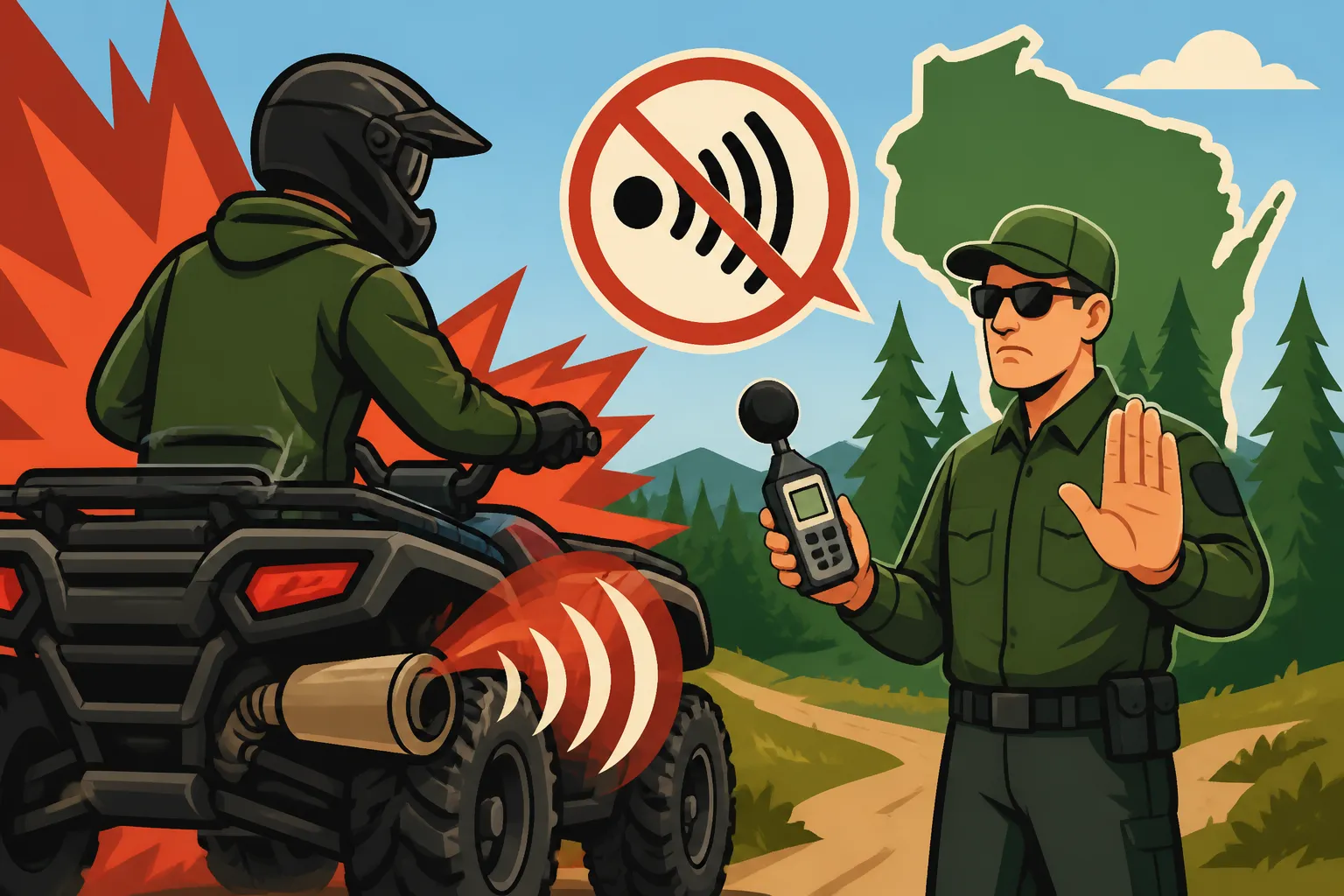
Failing a Sound Test on a Wisconsin Trail
Picture this: you're out on a gorgeous Wisconsin trail, the sun is shining, the trees are green, and you're having an absolute blast. Then, suddenly, a DNR warden waves you over. Your heart sinks a little, even if you think you're doing everything right. Next thing you know, they're pulling out a sound meter, and your trusty machine, which you love dearly, just failed the sound test. It's a frustrating, often unexpected moment that can put a serious damper on your ride. This guide is here to walk you through exactly what Wisconsin's ATV and UTV sound regulations mean, why they're in place, and what to do if your machine just isn't making friends with the decibel meter.
The Wisconsin 96-Decibel Rule: What It Means for Your Ride
Wisconsin has a pretty clear-cut rule when it comes to how loud your ATV or UTV can be while operating on public trails and routes. The limit is 96 decibels (dBA), measured at a specific distance under specific conditions. This isn't just some arbitrary number; it's a carefully considered regulation designed to balance the enjoyment of off-road enthusiasts with the peace and quiet of residents, other trail users, and wildlife in the areas we all love to recreate. Exceeding this limit isn't just a minor infraction; it can lead to immediate consequences on the trail and a significant hit to your wallet.
Understanding the "Why" Behind the Sound Limit
It's easy to feel targeted or annoyed by noise regulations, especially when you're just trying to enjoy your machine. However, the intent behind the 96-decibel rule is rooted in maintaining trail access and fostering positive relationships within our communities. Loud machines can be a major source of contention for property owners adjacent to trails, hikers, horseback riders, and even other ATV riders seeking a more tranquil experience. When noise levels become excessive, it often leads to [Noise Complaints From Lake Neighbors Up North] and pushes local municipalities and the DNR to either restrict access or, in worst-case scenarios, close trails entirely. The rule helps ensure that everyone, from the casual rider to the dedicated trail maintainer, can continue to enjoy Wisconsin's natural beauty without undue disturbance. It’s a collective effort to keep our trails open and welcoming.
The Mechanics of a Sound Test on a Wisconsin Trail
So, what actually happens if a warden suspects your machine is too loud? It’s not just a guess. Wardens are equipped with specialized sound meters and follow a standardized procedure to ensure accuracy. Typically, they'll perform a "stationary sound test." This involves parking your machine in a suitable, quiet location, often on the side of the trail. The meter is usually placed 20 inches from the exhaust outlet, at a 45-degree angle. Then, the engine is revved to a specific RPM, usually half of its maximum rated engine speed. For example, if your machine has a redline of 8,000 RPMs, they might test it at 4,000 RPMs. The reading on the meter is what determines if you're over the 96 dBA limit. It’s a precise process, not just a subjective judgment, and understanding [The 96-Decibel Sound Test in Wisconsin] can help you prepare. This is part of [What a Wisconsin Warden Asks a Rider For] when they stop you on the trail.
Common Culprits: Why Your Machine Might Be Too Loud
Most machines roll off the factory floor designed to meet sound regulations in most jurisdictions. The issues usually arise from changes made after purchase or from wear and tear over time. It's not always intentional, but the result is the same: a machine that's pushing more decibels than the law allows. Identifying the source of the excess noise is the first step toward getting your machine back in compliance and avoiding future citations.
Aftermarket Exhaust Systems and Their Impact
This is perhaps the biggest and most common reason machines fail a sound test. Many riders install aftermarket exhaust systems for a variety of reasons: to gain a few extra horsepower, reduce weight, or simply to get a "better" or louder sound. While these systems can offer performance benefits and a throaty roar, many are designed without regard for specific state noise limits. A performance exhaust might sound amazing to you, but if it doesn't have the proper baffling or a spark arrester, it can easily push your machine well over the 96 dBA threshold. Before installing any exhaust, it's critical to verify it meets Wisconsin's regulations, as discussed further in [Aftermarket Exhaust and the Wisconsin Sound Limit]. Even high-quality aftermarket parts from companies like SuperATV, while often performance-focused, need to be chosen with local regulations in mind.
Worn-Out Components and Missing Mufflers/Spark Arresters
Sometimes, the culprit isn't a deliberate modification but rather a failure of existing components or simple neglect. Over time, stock mufflers can deteriorate internally, leading to increased noise. A loose exhaust pipe, a cracked header, or even a small hole in the muffler can allow sound to escape unchecked. Another common issue is a missing or damaged spark arrester. These are federally mandated for any machine operating on public lands and, in addition to preventing wildfires, they also play a role in sound attenuation. If your machine's spark arrester is clogged, damaged, or simply missing, it will likely be louder than allowed and you could face additional penalties. Ensuring [Mufflers and Spark Arresters in Wisconsin] are in good working order is not just about noise, but about safety and compliance. Regular pre-ride checks should always include a visual inspection of your exhaust system.
What Happens When You Fail a Wisconsin Sound Test
Discovering your machine is too loud on the trail isn't just an inconvenience; it can lead to immediate legal and financial repercussions. Understanding these consequences can underscore the importance of preventative maintenance and careful modification choices. It's a moment that no rider wants to experience, especially when you're miles from home and just trying to enjoy a ride with friends or family. [Warden Enforcement on Wisconsin Routes] often includes checking for such compliance.
The On-Trail Citation and Its Immediate Fallout
If a warden performs a sound test and your machine exceeds the 96-decibel limit, you're likely going to receive a citation. This isn't just a friendly warning; it's a legal ticket. The immediate fallout can be frustrating: you might be instructed to cease riding your machine on public trails until the issue is remedied. This means your day of riding could be over, and you'll need to figure out how to transport your now-non-compliant machine back to your vehicle or home. The fines associated with sound violations can vary, but they are generally significant enough to make you think twice. For a broader perspective on fines, you might want to look into [Wisconsin ATV Ticket Amounts] or [Penalties for an Unregistered ATV in Wisconsin], although specific amounts will vary by offense.
Getting Your Machine Back in Compliance
Receiving a citation for excessive noise means you can't just ignore it. To avoid further penalties and to get back on the trails legally, you'll need to address the problem. This usually involves either replacing a non-compliant aftermarket exhaust with a quieter, legal alternative, or repairing/replacing a damaged stock exhaust system. Sometimes, a simple fix like installing a missing spark arrester or tightening a loose connection can make all the difference. You might need to order parts, which means waiting for them to arrive and then installing them yourself or having a mechanic do it. This whole process can be costly and time-consuming, especially if it happens while you're on a trip up north. If you have questions about specific compliance measures, the [Wisconsin DNR ATV Program Contacts] can sometimes offer guidance. When looking for replacement parts, remember that while SuperATV offers many performance enhancements, they also provide components that are designed to help you meet regulations, like exhaust silencers or replacement mufflers.
Preventing a Failed Sound Test: Proactive Steps for Riders
The best way to deal with failing a sound test is to prevent it from happening in the first place. A little proactive effort and informed decision-making can save you a lot of headache, money, and trailside frustration. Thinking ahead about your machine's sound output should be as routine as checking your tire pressure or fuel level before a ride.
Choosing Compliant Exhausts and Accessories
When it comes to modifying your machine, especially the exhaust system, always prioritize compliance with Wisconsin's 96-decibel limit. If you're looking for an aftermarket exhaust, research products that specifically state they are "trail legal" or "USFS approved" (meaning they include a spark arrester and typically meet federal noise standards). Don't just assume a new exhaust will be compliant because it's sold by a reputable brand. Always check the specifications. Companies like SuperATV offer a wide range of accessories, and while they cater to performance, they also understand the need for legal and responsible riding. When selecting parts, look for options designed to manage sound effectively while still delivering the performance you desire. Sometimes, a high-quality, stock-style replacement muffler is the simplest and most effective solution if your original one is failing.
Self-Testing and Pre-Ride Checks
You don't need a DNR warden to tell you if your machine is too loud. You can perform your own basic sound check at home. While you might not have a professional-grade sound meter, you can get a good idea of your machine's noise level by simply listening. If your exhaust sounds significantly louder than it used to, or if you notice a distinct change in tone, it’s worth investigating. Visually inspect your exhaust system regularly for any cracks, loose connections, or missing components. Check that your spark arrester is securely in place and free of excessive carbon buildup. If you're riding with friends, ask them to listen to your machine from a distance while you ride by at a moderate speed. Their objective ears might pick up on something you've become accustomed to. A quick walk-around and listening check before each ride can catch potential issues before they become expensive citations.
Here's a quick comparison of common exhaust scenarios:
| Exhaust Type / Condition | Typical Sound Level (Relative) | Risk of Failing Sound Test | Compliance Tips |
|---|---|---|---|
| Stock Exhaust (Good Condition) | Low to Moderate | Low | Regular inspection for damage; ensure all components (mufflers, baffles) are intact. |
| Stock Exhaust (Damaged/Worn) | Moderate to High | Moderate to High | Immediately repair or replace any leaks, cracks, or missing internal baffling. A damaged stock exhaust is often a clear culprit for excess noise. |
| Aftermarket (Performance) | High to Very High | High | Verify before purchase that it meets 96 dBA. Many performance exhausts are designed for closed-course use and may not be trail-legal in Wisconsin. Look for "USFS Approved" or "Trail Legal" markings. |
| Aftermarket (Quiet/Compliant) | Low to Moderate | Low | Specifically seek out aftermarket exhausts designed for noise reduction and compliance with state regulations. Some brands offer quiet core inserts or specific compliant models. SuperATV, for instance, offers products to maintain compliance. |
| Missing Spark Arrester | Moderate to High | High | Absolutely critical. Install a proper spark arrester immediately. This is a federal requirement for public lands and also contributes to sound control. |
Disclaimer
This article is for general informational purposes only and does not constitute professional advice. Laws, prices and regulations vary by location and change over time. Consult a qualified professional for guidance on your specific situation.