Wisconsin Headlight Rules After Dark
Riding your ATV or UTV in Wisconsin after dark can be an incredible experience – the quiet trails, the crisp air, and a sky full of stars. But that serene beauty comes with a serious responsibility, and honestly, a lot of confusion, especially when it comes to what your machine needs to legally and safely navigate those darkened paths. Many riders face the frustration of not knowing exactly what the law requires for their headlights, or if their stock setup is truly enough for both visibility and compliance. This comprehensive guide is here to cut through that confusion, explaining Wisconsin's headlight rules for night riding so you can ride confidently and safely.
The Essential Role of Lighting for Night Riding in Wisconsin
When the sun dips below the horizon in Wisconsin, whether you're deep in a county forest or cruising a designated town road, the game changes for ATV and UTV riders. It's not just about seeing the path ahead; it's about being seen, period. Too often, riders think of headlights as solely for their own forward vision, but the legal requirements are designed with a broader safety net in mind, protecting you and everyone else sharing the trail or route.
Why Headlights Aren't Just for Seeing
The primary danger of riding an ATV or UTV at night without adequate lighting isn't just that you might miss a rut or a downed branch – though that's certainly a huge concern. The far greater risk, especially when you encounter other trail users, is that you simply aren't visible until it's too late. Imagine another rider, or even an animal, suddenly appearing out of the darkness. Your headlights project a warning, a presence, long before your machine's roar reaches them.
Even on private land, where the long arm of the law might seem less intrusive, adequate lighting is crucial for personal safety. A mechanical issue, a wrong turn, or an unexpected obstacle becomes exponentially more dangerous in pitch black conditions. Reliable headlights are your first line of defense against becoming disoriented or getting into a serious accident miles from help. The legal requirements, while sometimes feeling like a hurdle, are really just the bare minimum standards for preventing tragic outcomes.
Minimum Requirements: What Wisconsin Law Says
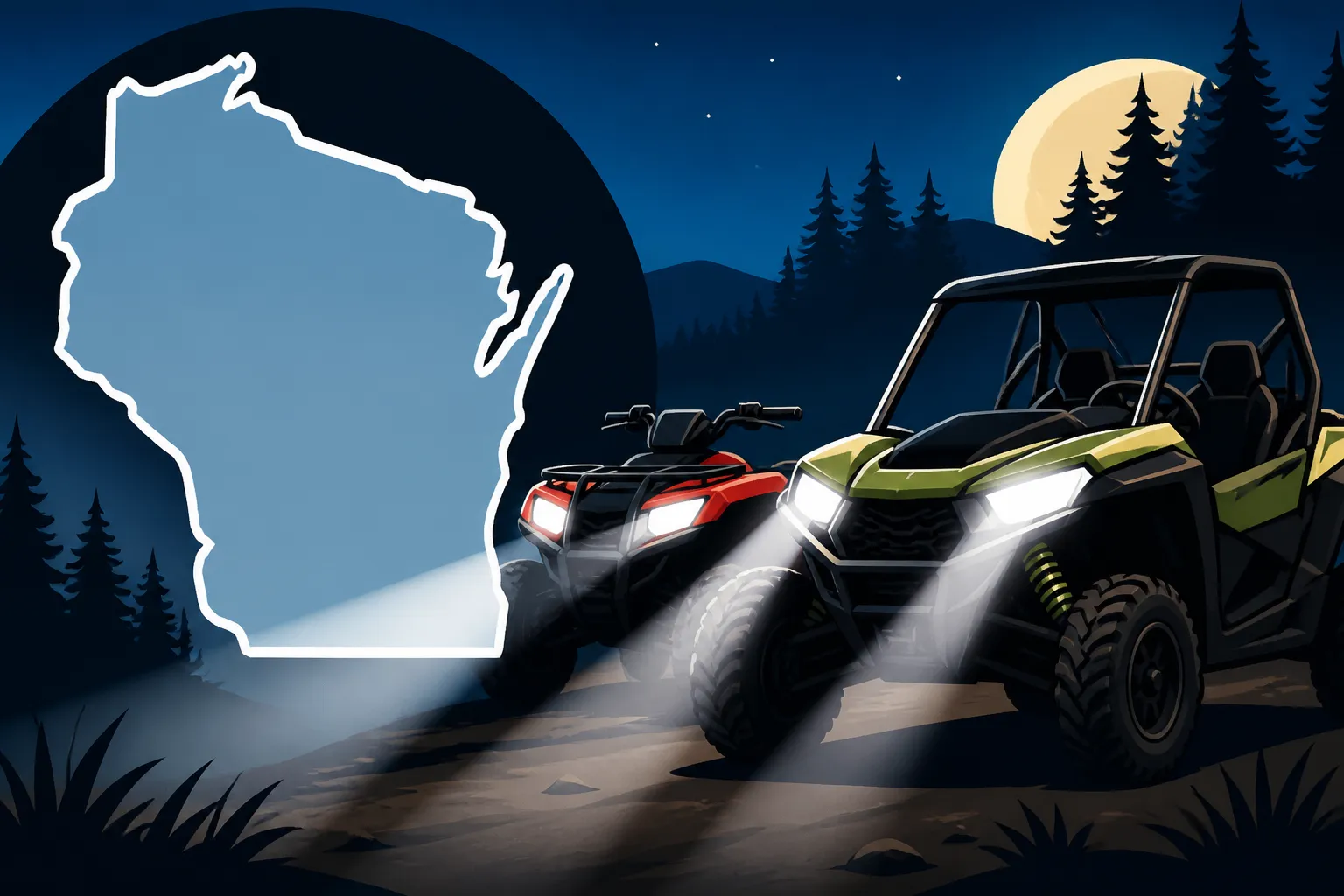
Wisconsin law is pretty clear that ATVs and UTVs operating after dark, or at any time when there isn't enough natural light to clearly see at least 500 feet, must have their headlights on. Generally, this means at least one white headlight, visible from a distance of 500 feet to the front of the machine. Most modern machines come equipped with two headlights, which is perfectly acceptable and often preferable for better visibility.
The specific beam requirements typically dictate that the light must be a white or amber color. While there isn't always a precise lumen count specified in the statutes, the key phrase "visible from 500 feet" implies a certain intensity. This isn't just about a dim glow; it's about a consistent, discernible light source. It's also important to remember that these are minimums. Relying solely on a single, dim headlight, even if technically legal, might not offer the practical visibility you need on challenging trails or routes. For a deeper dive into the overall lighting picture, check out [Lighting Rules for Wisconsin Night Riding].
Understanding Headlight Specifications and Placement
Once you understand why headlights are so vital, the next step is ensuring your machine meets or exceeds the necessary specifications. Stock headlights are a starting point, but many riders find themselves looking for more, especially when tackling aggressive terrain or extended night rides. The aftermarket world is booming with options, but with great power comes great responsibility – especially in ensuring your lights are installed and aimed correctly.
Beyond the Stock Setup: Upgrading Your Headlights
Many riders, particularly those with older machines or who frequently ride after dusk, quickly realize the limitations of stock headlights. Factory-installed lights often provide just enough illumination to meet the legal minimums but can leave you squinting on truly dark trails or when facing inclement weather. This is where upgrading your lighting system becomes not just a preference, but a practical necessity for improved safety and enjoyment.
Common upgrades include switching to brighter LED bulbs, installing auxiliary LED cube lights, or mounting powerful LED light bars. These aftermarket solutions offer significantly more light output, often with a broader and more focused beam pattern than their halogen predecessors. Many riders turn to aftermarket companies like SuperATV for powerful LED light bars or replacement headlights that can dramatically enhance their ability to see and be seen. Just remember, while more light is generally better, you still need to be mindful of blinding other riders, which brings us to the importance of proper aiming.
Proper Headlight Placement and Aiming
Having super-bright headlights is only half the battle; they need to be mounted and aimed correctly. An improperly aimed headlight, whether too high or too low, can be a major hazard. If your lights are aimed too high, you risk blinding oncoming riders or motorists on shared road routes, creating a dangerous situation and potentially earning you a stern talking-to from a warden or even a citation. Conversely, if they're aimed too low, you're losing valuable forward visibility, effectively negating the benefit of brighter lights.
When installing auxiliary lights or light bars, always consider their placement to avoid obstructing your vision or creating glare off your own machine's hood. Aim them so that the main beam illuminates the path ahead without excessively pointing upwards. It's a good practice to periodically check and adjust your headlight aim, especially after a particularly rough ride where vibrations might have shifted things, or after any modifications to your machine's suspension or tire size. Taking a moment to do this in your driveway against a wall can save you a lot of grief on the trail.
Practical Considerations for Wisconsin Night Riding
Beyond the legal definitions and technical specifications, there are several practical considerations that every Wisconsin ATV and UTV rider should keep in mind when venturing out after dark. The environment changes dramatically, and your preparation should reflect that. From understanding variable light conditions to routine maintenance, these steps ensure a safer, more enjoyable night ride.
When "After Dark" Really Means After Dark
The legal phrase "after dark" might seem straightforward, but in the real world of Wisconsin's varied terrain and weather, it's a bit more nuanced. It's not just about the sun being completely gone. Headlights are equally crucial during dusk and dawn, those twilight hours when natural light is ambiguous and shadows can play tricks on your eyes. Often, this is when visibility is at its worst – your eyes haven't fully adjusted to the low light, and other riders or animals might be hard to spot against the fading or emerging light.
Furthermore, inclement weather conditions like heavy rain, dense fog, or a sudden snow squall can effectively turn broad daylight into "after dark" conditions in an instant. In these situations, your headlights should be on, even if it's technically daytime. Always err on the side of caution. If you have any doubt about whether there's sufficient natural light to see 500 feet ahead, switch those headlights on. This goes hand-in-hand with making sure your machine also has the necessary [Taillight Requirements on a Wisconsin Machine] and [Reflectors for a Wisconsin Route Ride] for all-around visibility.
Maintenance and Pre-Ride Checks for Your Lighting System
A robust lighting system is only as good as its weakest link. Before every night ride, or even a day ride where conditions might turn dim, make a habit of performing a quick check of your entire lighting system. This pre-ride ritual isn't just for peace of mind; it's a critical safety measure. Start by ensuring all your bulbs are working – headlights, taillights, and any auxiliary lighting. A quick visual inspection can spot a burnt-out bulb or a loose connection.
Next, examine your wiring. Vibration from riding can loosen connections or chafe wires, leading to intermittent failures. This is especially true if you've installed aftermarket accessories like a SuperATV light bar; regularly check those connections to ensure they haven't come loose from trail chatter. Finally, consider your machine's electrical system. Brighter lights draw more power, so ensure your battery is fully charged and your charging system (stator and regulator/rectifier) is functioning properly. Nothing ruins a night ride faster than dead headlights and a dead battery miles from camp.
Common Misconceptions and Legal Fines
Despite clear regulations, misunderstandings about headlight rules persist, leading many riders into potentially dangerous situations or even run-ins with wardens. It's vital to differentiate between riding on trails and navigating designated road routes, as well as understanding the serious consequences of neglecting your lighting requirements. Being informed can save you from a citation and, more importantly, from an accident.
The Difference Between Trail and Road Route Requirements
One common area of confusion revolves around whether headlight rules change between dedicated ATV/UTV trails and designated [Riding an ATV on a Wisconsin Road Route]. The simple answer is: the core requirements for headlights remain the same – they must be on after dark or in low visibility. However, the context and enforcement can feel different. On road routes, you are sharing the space with other vehicles, including cars and trucks, which means visibility expectations are arguably higher and interactions are more frequent.
When you're [Crossing a Wisconsin Road on an ATV], even for a brief moment, your headlights must still be active if conditions warrant. Wardens and local law enforcement often patrol these road routes more frequently, and they are acutely aware of machines operating without proper lighting, not just for your safety, but for the safety of other motorists. While trails might feel more forgiving, the legal requirement for headlights after dark is unwavering across all public riding areas in Wisconsin.
Penalties for Inadequate or Missing Headlights
Operating your ATV or UTV after dark without the legally required headlights isn't just a safety hazard; it's a violation that can come with real consequences. Wardens and law enforcement take lighting very seriously. If you're caught riding an unregistered ATV on trails, for instance, you're likely to face a citation. Riding without proper lighting falls into a similar category of enforceable infractions. Penalties can include fines, which can quickly add up and put a damper on your riding budget. For an idea of potential costs, you might want to review [Wisconsin ATV Ticket Amounts].
Beyond the monetary penalties, a warden might also require you to cease riding until the lighting issue is resolved, effectively ending your night out. This is where the long arm of [Warden Enforcement on Wisconsin Routes] comes into play. But far more critical than any fine or inconvenience is the inherent danger. Riding in darkness without adequate illumination drastically increases your risk of a collision, injury, or worse. Investing in reliable lighting from a reputable brand like SuperATV isn't just about avoiding a ticket; it's about making sure you get home safely after a fantastic night out on Wisconsin's trails and routes.
| Headlight Feature | Minimum Legal Requirement (Wisconsin) | Common Upgrade (Example) | Benefits of Upgrade |
|---|---|---|---|
| Number | One (most machines have two) | Two or more auxiliary lights | Increased light output, wider beam |
| Color | White or amber | Pure white LEDs | Sharper, brighter light, modern look |
| Visibility | 500 feet to the front | 1000+ feet (LED light bars) | Enhanced forward vision, earlier warning |
| Power | Sufficient for legal visibility | Lower draw, brighter output (LED) | Less strain on electrical system, more light |
| Aiming | Not specified, but implied safe | Adjustable mounts | Precision aiming to avoid blinding others |
Disclaimer
This article is for general informational purposes only and does not constitute professional advice. Laws, prices and regulations vary by location and change over time. Consult a qualified professional for guidance on your specific situation.