Crossing a Wisconsin Highway Safely
We've all been there, enjoying a fantastic ride on a beautiful Wisconsin trail or designated road route, only to be faced with the inevitable: a busy state highway crossing. That moment can feel like a sudden jolt, a spike of anxiety as you contemplate navigating your machine across fast-moving traffic. It’s not just about getting to the other side; it’s about doing it safely, legally, and without a white-knuckle grip on the handlebars. This guide is here to demystify the process, offering practical advice and a clear understanding of what it takes to cross a Wisconsin highway with confidence.
Understanding Wisconsin's Highway Crossing Rules
Before you even think about approaching a highway on your ATV or UTV, it’s absolutely essential to grasp the legal landscape. Wisconsin, bless its heart, has tried to create a framework that allows us to enjoy our machines while keeping everyone safe, but the rules can sometimes feel like a maze, especially when it comes to higher-speed roads.
The Legal Framework for Crossings
Generally speaking, you can't just cruise down a state highway on your ATV or UTV in Wisconsin. State law is pretty clear that ATVs and UTVs are primarily for trails and designated routes. However, there are specific, limited circumstances where crossing a highway is permitted. These aren't suggestions; they're strict legal requirements designed for your safety and the safety of other motorists. For the most part, highway crossings are allowed only at intersections where a designated ATV/UTV route intersects with a highway, or where a local ordinance specifically permits the crossing as part of an approved route. You'll often see specific signage indicating these legal crossing points. Trying to cross anywhere else, even if it seems like a shortcut, can land you in serious trouble with a warden and, far more importantly, put you in an incredibly dangerous situation. Think of it this way: these designated spots are like carefully designed bridges over a river; you wouldn't just jump into the water anywhere, would you? The state also has clear [Wisconsin Rules on State Highways] that dictate where and how you can operate.
It’s not just about where you cross, but how you cross. State law dictates that when you do cross a highway, you must do so as directly and quickly as possible. This isn't the time for a leisurely roll across multiple lanes. The goal is to minimize your time in the traffic flow. This means no stopping, no pausing to admire the scenery in the median, and certainly no attempt to travel along the highway, even for a short distance, unless it's explicitly part of a signed ATV/UTV road route. The less time you spend exposed to high-speed vehicle traffic, the lower the risk of an accident. We know the temptation might be there to cut a corner, but those rules are there for a reason, protecting both you and the folks in their cars.
Identifying What Constitutes a "Highway"
This might sound like a silly question, but it's crucial to understand the distinction between a local town road, a county highway, and a state highway. The rules for ATV/UTV operation and crossings can vary significantly between these different classifications of roads. Town roads, for example, are often opened up for ATV/UTV use by local ordinance, and you might travel on them for miles. County highways also have specific rules, with counties having the authority to open segments or create routes. However, state highways (usually marked with a shield symbol, like I-90, US-51, or State Highway 70) are the ones that demand the most caution and have the strictest crossing regulations.
The difference isn't just in who maintains the road; it's about traffic speed, volume, and legal jurisdiction. Crossing a quiet, gravel town road that's part of a designated route is a completely different beast than crossing a four-lane state highway where cars are zipping by at 65 miles per hour. Always pay close attention to road signage. A good rule of thumb is that if you see a green (or sometimes blue or brown) sign with a route number, especially one preceded by "US" or "WIS," you're dealing with a higher-classification road that requires extreme care and adherence to strict crossing protocols. If you're ever unsure, assume it's a "highway" and proceed with maximum caution or find an alternative route. Knowing the distinction can save you a lot of grief and potential [Wisconsin Penalties for Illegal Road Riding].
Preparing for a Safe Highway Crossing
Crossing a major thoroughfare isn't something you want to do on a whim. It requires a bit of forethought and preparation, both for your machine and for yourself. Neglecting these steps is like trying to bake a cake without checking if you have flour – it just won't end well!
Pre-Ride Machine Checks and Visibility
Before you even head out for your day of riding, and certainly before you approach a highway crossing, a quick but thorough check of your machine is non-negotiable. Is everything in working order? This isn't just about avoiding a breakdown; it's about ensuring your machine can perform reliably and predictably when you need it most. Check your brakes – do they respond instantly and firmly? Your throttle – does it have smooth action and snap back crisply? Your tires – are they properly inflated and in good condition, ensuring maximum traction on potentially slick pavement? And critically, are all your lights functional? We’re talking headlights, taillights, and any turn signals you might have. [Lighting Rules for Wisconsin Night Riding] are important, but even in daylight, a working headlight makes you far more visible to oncoming traffic.
Visibility is your best friend when crossing a highway. Cars are big, fast, and drivers aren't always looking for ATVs or UTVs, especially on a highway. Anything you can do to make yourself more noticeable is a huge plus. Consider adding aftermarket accessories like brighter LED lights or reflective tape to your machine. Some riders even add a whip flag with reflective material, especially on UTVs, to increase their profile. For machines that might need an extra boost in height or stability to handle varied terrain leading up to a crossing, products from brands like SuperATV offer lift kits and suspension upgrades that could give you a better line of sight and more confident handling. Ensure your machine is clean enough that all its reflective surfaces and lights are doing their job effectively. Every little bit of visibility counts when you're momentarily sharing the asphalt with semi-trucks.
Rider Awareness and Group Communication
Being physically prepared is one thing, but being mentally prepared and having a clear plan with your riding group is just as vital. Crossing a highway isn't a solo endeavor, even if you're riding alone. You need to be fully alert, aware of your surroundings, and ready to react. This means no distractions – put the phone away, turn down the music, and focus 100% on the task at hand. Look far down the highway in both directions, not just for a quick glance, but a thorough scan. How fast is traffic moving? Are there any semi-trucks or other large vehicles approaching that might obstruct your view or take longer to stop? Consider the weather conditions too; fog, rain, or glare can drastically reduce visibility for both you and other drivers.
If you're riding in a group, communication is paramount. Designate a leader for the crossing. This person should be responsible for assessing traffic and signaling when it's clear to proceed. The ideal method is to cross one machine at a time, with each rider waiting for the leader's clear signal before making their move. Never assume the rider in front of you saw the same "all clear." Hand signals are crucial, and everyone in the group should know them. Discuss the crossing procedure beforehand: where will you gather, who goes first, how will you signal, and where will you regroup on the other side? This level of coordination removes guesswork and significantly reduces the chance of someone making a mistake. Remember, a lapse in judgment by one rider can put the entire group at risk. Also, make sure all riders, especially those under 18, understand the rules and have the proper [Wisconsin Helmet Rules for Riders Under 18] and [Eye Protection on a Wisconsin Ride].
Executing the Crossing: Step-by-Step Safety
When it's time to actually make the crossing, having a clear, actionable plan is key. This isn't a moment for hesitation or indecision. It's about being assertive, but also incredibly cautious.
Approaching the Crossing and Yielding
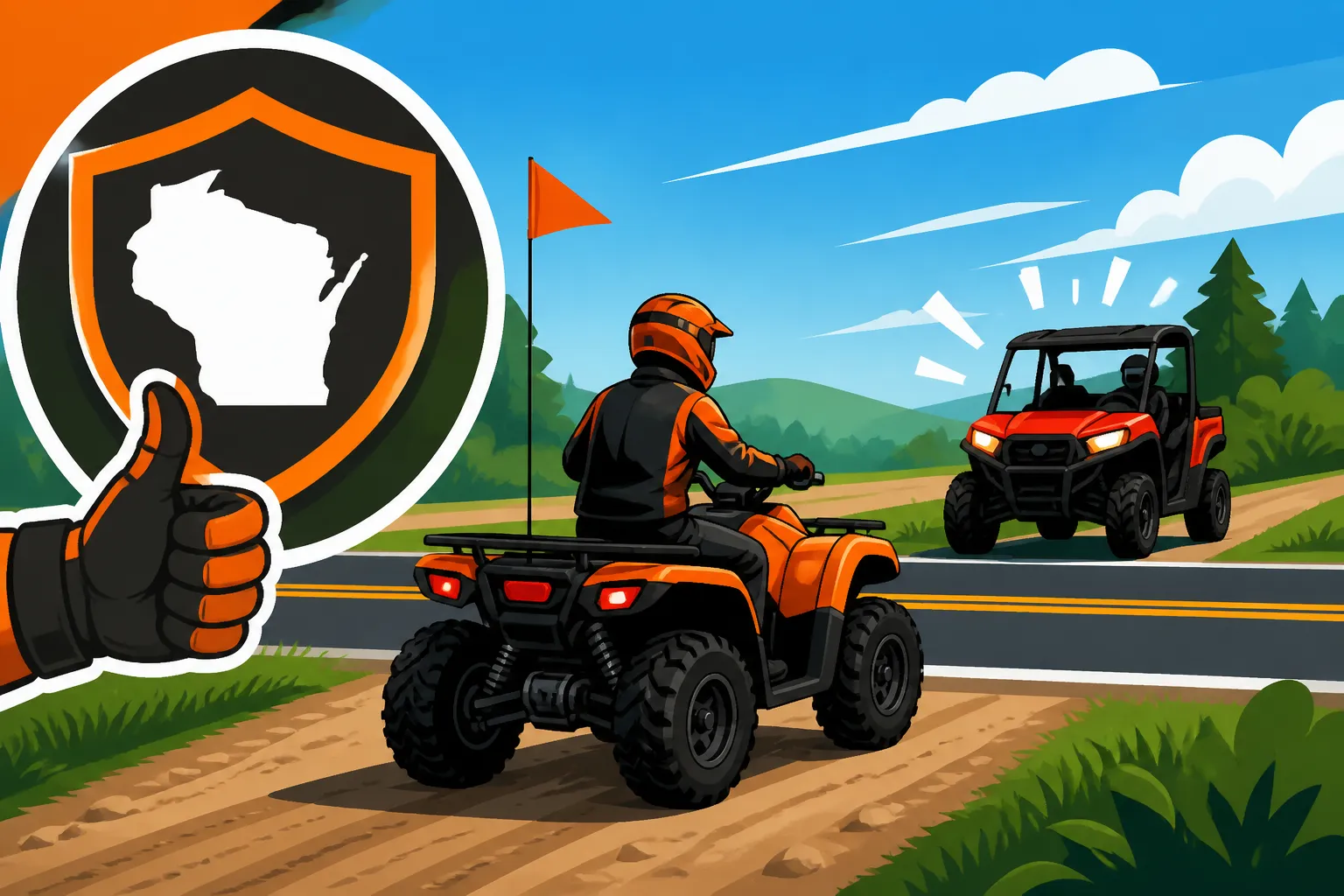
As you approach a highway crossing point, slow down well in advance. Don't come roaring up to the edge of the asphalt. A controlled, deliberate approach allows you time to assess the situation and gives other drivers time to see you. Pull over to the side of the trail or route, as far back from the highway edge as safely possible, and stop completely. This is your staging area. From this position, you and your group can get a clear view of oncoming traffic in both directions without encroaching on the highway itself. Remember, you must yield to all highway traffic. This isn't a suggestion; it's a legal and safety imperative.
Once stopped, and ideally with your engine idling or off to reduce noise, conduct your thorough traffic assessment. Look left, then right, then left again. Check for traffic coming from side roads or driveways near the intersection. Pay attention to turn signals of approaching vehicles. Are there any cars indicating they're turning onto the road you just came from, which could present a conflict? If you have passengers, they can help spot traffic, but the primary responsibility lies with the operator. Never rely solely on a passenger's "all clear." It often feels like an eternity waiting for a clear gap in traffic on a busy highway, but patience here is truly a virtue. Resist the urge to rush or squeeze into a gap that feels too tight.
Making the Crossing and Exiting Safely
When you’ve identified a truly clear gap in traffic – one that allows you ample time to cross without speeding excessively or forcing other drivers to brake – proceed deliberately. Engage your clutch smoothly (if applicable) or apply throttle steadily. The goal is a quick, direct crossing, but not a reckless burst of speed that could cause you to lose control. Maintain a straight path across the highway, heading directly to the continuation of the trail or route on the other side. Do not weave, swerve, or make any sudden movements that could confuse other drivers who might be approaching. Your lights should be on, making you as visible as possible.
Once you’ve successfully navigated across the highway, continue a short distance onto the trail or route on the other side before slowing down or stopping. This provides a buffer zone, getting you well clear of the highway and out of the immediate flow of traffic. If you're riding in a group, wait for all members to safely cross and regroup at this secure location. Don't stop immediately after the crossing, as this could create a bottleneck or put the last rider in the group in a precarious position. Confirm everyone is safe and accounted for before continuing your ride. Sometimes, even the best plans have a hiccup, so it’s wise to know [What a Wisconsin Warden Asks a Rider For] in case of an incident.
Common Pitfalls and How to Avoid Them
Even experienced riders can sometimes make mistakes when crossing highways. It's easy to get complacent or to misjudge a situation, which is why constantly refreshing your awareness of common pitfalls is so important.
Misjudging Traffic and Speed
One of the most dangerous mistakes is underestimating the speed of oncoming highway traffic. What looks like a distant car can close the gap to your crossing point much faster than you anticipate, especially if you're used to the slower speeds of trail riding. It's a common psychological trap: our brains often struggle to accurately judge the speed of vehicles moving directly toward us or away from us. When in doubt, always err on the side of caution. If you have even a sliver of doubt about whether you have enough time, don't go. It's far better to wait an extra minute than to find yourself in a life-threatening situation.
Another aspect of misjudging traffic is failing to account for multiple vehicles. You might see a clear gap behind one car, but immediately behind it could be a fast-approaching truck or a motorcycle that's harder to spot. Always look for a complete break in traffic, not just a temporary lull. Consider the road conditions as well: wet pavement, ice, or loose gravel near the shoulder can affect your machine's acceleration and braking, adding another layer of risk to an already challenging maneuver. If conditions are poor, the clear gap you need to cross safely will need to be significantly larger. This is also where investing in quality tires from a company like SuperATV can make a real difference, providing the traction you need for a quick, stable crossing.
The Dangers of Inadequate Signage and Visibility
Sometimes, the problem isn't the rider, but the environment. You might encounter a crossing where the ATV/UTV route signage is faded, obscured, or simply non-existent. Or perhaps the sightlines at the intersection are poor due to hills, blind curves, or heavy vegetation. In such situations, the risk factor skyrockets. If you can't clearly see oncoming traffic for a sufficient distance, or if you can't be sure that highway drivers will see you, it's a huge red flag. Never attempt a crossing if your visibility or the visibility of your machine is compromised.
If you find yourself at a crossing with inadequate signage or poor sightlines, seriously consider an alternative. Is there another designated crossing a mile or two down the road? Can you find a safer, albeit longer, route? It might be inconvenient, but your safety is worth far more than a few extra minutes of travel. If you regularly encounter such problematic crossings, consider reporting them to the local DNR office or the county highway department. They might not fix it overnight, but getting it on their radar is the first step toward making things safer for all riders.
Local Ordinances and Route-Specific Considerations
While state law sets the overarching framework, local rules play a huge role in how and where you can ride and cross highways within specific towns and counties. Ignoring these can lead to fines and, more importantly, put you in harm's way.
How Town and County Rules Influence Crossings
Many of Wisconsin's fantastic ATV and UTV routes are established through local town and county ordinances. These ordinances often dictate which specific roads are open to machines, and consequently, where legal highway crossings are permitted. A town might open up its entire road system to ATVs and UTVs, but that doesn't automatically mean you can cross any state highway within its borders. There needs to be a specific, designated crossing point that is part of an approved route and ideally well-marked. Always check local ordinances for the areas you plan to ride. Information about [How a Wisconsin Town Opens an ATV Route] or county routes can usually be found on the respective municipal websites or by contacting their clerk's office.
These local rules can also specify things like hours of operation for routes, additional safety requirements, or even municipal insurance mandates. Some towns, for instance, might require proof of insurance to ride on their designated routes, even if state law doesn't for that particular type of operation. Before you head out, do your homework on the specific area you're visiting. A quick call to the local sheriff's department or DNR office can often clarify any ambiguities about local rules, especially concerning high-traffic areas like highway crossings. Ignoring these local nuances can lead to frustrating encounters with law enforcement and unexpected fines.
Navigating Designated ATV/UTV Road Routes
The best-case scenario for highway crossings is when they are an integral, clearly marked part of a designated ATV/UTV road route. These routes are specifically designed to minimize hazards and guide riders safely. When you're on a designated route, you should see clear [Route Signage Standards in Wisconsin] indicating where you can ride, where you need to slow down, and crucially, where you can cross major roads. These signs are there for a reason and should be followed without question. They've been placed after careful consideration by local authorities and trail clubs.
Even on a designated route, however, you still need to exercise extreme caution at highway crossings. The designation simply means it's legal and planned, not that it's entirely risk-free. Always treat highway crossings with the highest degree of respect and vigilance, regardless of the signage. If you're ever in doubt about a crossing, or if a designated crossing point feels unsafe for any reason (e.g., unexpected construction, weather changes), trust your instincts. It's always better to turn around, find an alternative, or simply wait for conditions to improve. A little patience and a lot of awareness are your best allies when [Riding an ATV on a Wisconsin Road Route] and encountering a state highway.
Here's a handy checklist to keep in mind for those critical highway crossings:
| Pre-Crossing Checklist | Action Required | Notes |
|---|---|---|
| Machine Ready? | Brakes, throttle, lights, tires checked and functional. | Ensure maximum visibility (headlights on, reflective gear). |
| Route Legality Confirmed? | Crossing is part of a designated, signed ATV/UTV route. | Do not attempt to cross randomly. |
| Visibility Clear? | Unobstructed view of highway traffic in both directions for ample distance. | Avoid blind spots from hills, curves, or vegetation. |
| Traffic Assessed? | Identified a truly clear, long gap in traffic, no approaching fast vehicles. | Account for speed of highway traffic; look for multiple vehicles. |
| Group Communication? | Leader designated, hand signals understood, cross one-at-a-time plan in place. | Ensure everyone is on the same page and patient. |
| Rider Alertness? | No distractions, fully focused, ready to react quickly. | Stay calm, assertive, and decisive. |
| Path Cleared? | Direct path across to the continuation of the trail/route on the other side. | No weaving, no stopping on the highway itself. |
| Regroup Plan? | Designated safe spot well off the highway for regrouping. | Confirm all riders are across safely before proceeding. |
Remember, crossing a Wisconsin highway on your ATV or UTV is a serious maneuver that demands your full attention and adherence to the rules. By taking the time to prepare yourself and your machine, understanding the laws, and exercising extreme caution, you can minimize the risks and keep enjoying those incredible Wisconsin trails and routes safely.
Disclaimer
This article is for general informational purposes only and does not constitute professional advice. Laws, prices and regulations vary by location and change over time. Consult a qualified professional for guidance on your specific situation.