Safety Certificates and Wisconsin Road Routes
Navigating Wisconsin's extensive ATV and UTV trail and road route system can feel like deciphering a complex legal atlas, especially when it comes to understanding who needs what paperwork before hitting the blacktop. Many riders, excited to explore new towns and access services from the seat of their machine, often overlook a crucial requirement: the ATV/UTV safety certificate. This guide aims to demystify the rules surrounding safety certificates and how they directly impact your ability to legally and safely enjoy Wisconsin's designated road routes.
Understanding Wisconsin's ATV/UTV Safety Certificate Mandate
Wisconsin has a clear and firm stance on who needs to hold a safety certificate before operating an ATV or UTV, especially when it comes to public lands and designated routes. It's not just a suggestion; it's a legal requirement that protects riders and others sharing the trails and roads. Ignoring this can lead to frustrating encounters with wardens and unnecessary fines.
Who Needs an ATV/UTV Safety Certificate?
The core rule in Wisconsin is pretty straightforward, but it's often a point of confusion for riders, especially those new to the sport or visiting from out of state. Generally, anyone born on or after January 1, 1988, is required to possess an ATV and/or UTV safety certificate to operate on public lands, including the ever-expanding network of road routes. This birthdate cut-off is the most critical piece of information to remember. If you're older than that, you're usually exempt from the certificate requirement, though taking a course is always a good idea for anyone, regardless of age, to brush up on safety and rules.
Think of it this way: if you're a younger rider, or you're bringing your kids out to ride, this certificate is non-negotiable for public access. It's designed to ensure that riders have a foundational understanding of safe operation, trail etiquette, and the specific laws governing ATVs and UTVs in the state. This helps reduce accidents and promote responsible riding, especially as more towns open up their roads to these machines. For many, it's just another step in getting ready for the riding season, much like ensuring your machine is properly maintained.
The "Born On or After 1988" Rule Explained
Let's dive a little deeper into that January 1, 1988, birthdate. This specific date is not arbitrary; it's a legislative decision aimed at phasing in a mandatory education requirement over time, focusing on newer generations of riders. For those born before this date, the assumption is that they may have learned to ride before formal safety training became as prevalent or mandated. However, even if you fall outside this requirement, consider the benefits of taking a course. Conditions change, laws evolve, and new equipment means new considerations.
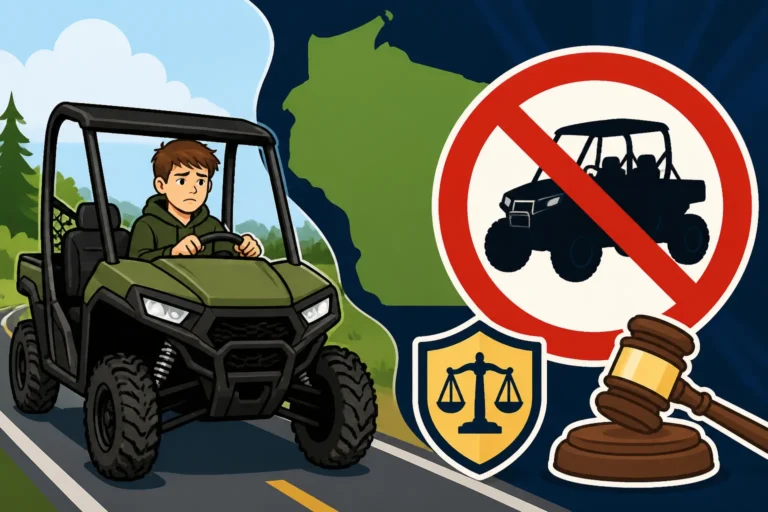
This rule is precisely why you'll often see groups of riders on a trail or a road route, and some are wearing helmets while others aren't, or some are asked for their certificate while others aren't. It all comes back to that birthdate. A conservation warden or local law enforcement officer will specifically ask for your date of birth if you're pulled over on a public road or trail. If you fall under the "born on or after 1988" category and don't have that certificate, you could be facing a citation. It’s a clear example of [The Wisconsin Rule for Riders Born On or After 1988] in action.
The Nuances of Wisconsin's Road Route System
Wisconsin has a fantastic and growing system of ATV and UTV road routes, which allow riders to legally connect trails, access towns for food and fuel, and generally extend their riding adventures. However, these routes come with their own set of rules and expectations that differ significantly from riding on private land or dedicated off-road trails.
What Constitutes a "Road Route" in Wisconsin?
A "road route" in Wisconsin isn't just any paved or gravel road you might stumble upon. These are specific town, city, or county roads that have been officially designated and marked as open for ATV and UTV use through local ordinances. They are typically identified by specific signage that explicitly indicates ATV/UTV access. This means you can't just hop on any public road and assume it's fair game. Doing so could lead to trespassing charges or fines for illegal operation. Many towns in the Northwoods, for example, have embraced these routes as a way to boost local tourism, allowing riders to easily access businesses and lodging.
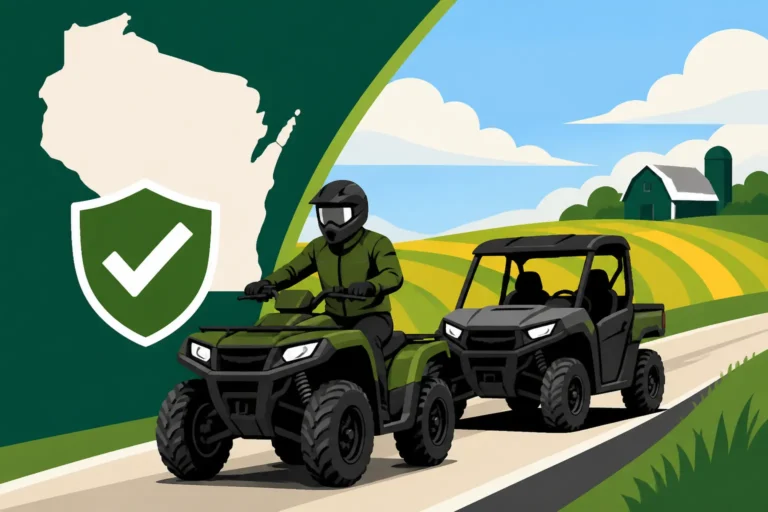
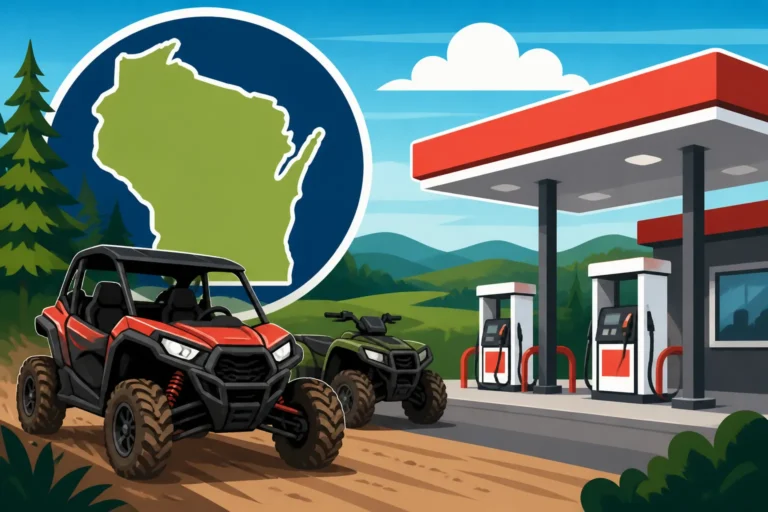
These routes are often established to link up larger trail systems, allowing riders to seamlessly transition from dirt trails to public roads and back again without having to trailer their machines. For instance, you might ride the [Riding an ATV on a Wisconsin Road Route] to a local diner or gas station before heading back onto the forest trails. This convenience is a huge draw for riders, but it also means adhering to a different set of rules than what you might be used to on pure off-road trails. Understanding the local ordinances and looking for proper signage is key to a smooth and legal ride.
Local Ordinances and Signage Standards
Every town or county that establishes an ATV/UTV road route does so through a local ordinance, which means the specific rules can vary slightly from one municipality to another. While the overarching state laws provide a framework, local ordinances might impose additional restrictions, such as hours of operation, speed limits (often lower than the posted car speed limit for ATVs/UTVs), or even specific insurance requirements. This patchwork of rules is why it's so important to be aware of the local regulations for the area you're riding in. Many ATV clubs are excellent resources for understanding these local specifics.
The signage is your best friend when navigating these routes. Look for official signs that clearly indicate where ATV/UTV use is permitted, any restrictions, and where the route begins and ends. These signs are standardized to some extent, making them recognizable. If you don't see clear signage, assume the road is not open to ATV/UTV traffic. Brands like SuperATV, while not directly involved in signage, are part of the broader industry that benefits from well-marked and legal riding opportunities, as riders using their products need clear places to ride. When planning a trip, checking with local DNR offices or tourism bureaus can provide valuable information on specific route ordinances and maps.
Connecting Safety Certificates to Road Route Riding
The safety certificate requirement isn't just for riding in a remote forest; it absolutely applies to designated ATV/UTV road routes. In fact, because you're sharing the road with other traffic, the state considers this an even more critical environment for educated operators.
Why Your Certificate Matters on Public Roads
When you're operating an ATV or UTV on a designated road route, you're no longer just navigating natural terrain; you're sharing space with cars, trucks, bicycles, and pedestrians. This elevates the need for operators to be fully aware of traffic laws, right-of-way rules, and defensive driving techniques. The safety certificate course covers these critical aspects, ensuring riders understand the responsibilities that come with operating a motor vehicle on public thoroughfares. It's about more than just knowing how to handle your machine; it's about knowing how to interact safely with the broader public.
A warden or police officer patrolling a road route will treat your ATV or UTV similarly to any other vehicle. They will expect you to be licensed (if applicable for your age), registered, and if you fall under the 1988 birthdate rule, to possess your safety certificate. This is a primary reason for enforcement stops on these routes. They're not just checking for speeding; they're ensuring operators are legally qualified to be there. Remember, compliance helps keep these routes open for everyone, proving that riders are responsible members of the community.
Enforcement and What a Warden Asks For
Picture this: you're cruising down a scenic road route in Vilas County, enjoying the beautiful Wisconsin landscape, when you see red and blue lights flash in your rearview mirror. A Wisconsin conservation warden or local sheriff's deputy has pulled you over. One of the first things they'll ask for, after your registration, is often your driver's license (if applicable) and, crucially, your ATV/UTV safety certificate if your birthdate falls into the required category. They are well-versed in the laws and know exactly what to look for.
If you are stopped and you're found to be operating on a road route without the required safety certificate, you could be issued a citation. The penalties can range from fines to potential suspension of riding privileges. It's not a risk worth taking, especially when obtaining the certificate is relatively straightforward. Being prepared means having all your paperwork – registration, proof of insurance, and safety certificate – readily accessible. This is a common scenario where [What a Wisconsin Warden Asks a Rider For] becomes very real.
Age Restrictions and Supervision on Wisconsin Road Routes
Riding on Wisconsin's road routes isn't just about having the right certificate; it's also heavily influenced by the rider's age, especially for younger operators. The state has specific rules to protect minors and ensure responsible supervision.
Riding Rules for Minors on Road Routes
Wisconsin has distinct age requirements for operating ATVs and UTVs, particularly on public routes. For ATVs, a rider must be at least 12 years old to operate on public trails and routes. For UTVs, the minimum age is 16. This difference is significant and often catches riders by surprise. A 15-year-old, for example, might be able to operate an ATV on a designated route but absolutely cannot operate a UTV there. This is a key distinction that reflects the larger size, weight, and different handling characteristics of UTVs.
Furthermore, any rider under the age of 18 must wear a DOT-approved helmet at all times when operating an ATV or UTV on public routes. This is non-negotiable, regardless of whether the supervising adult wears one. For riders aged 12 to 15, additional rules apply: they must possess an ATV safety certificate (even if born before 1988, if they are under 16) and be accompanied by a parent, guardian, or an adult designated by the parent or guardian, who is at least 18 years old. This adult must also hold a valid safety certificate if required by their own birthdate. These rules underscore the state's commitment to youth safety. This often leads to questions like [Wisconsin's Rule for Riders Aged 12 to 15].
The Role of Adult Supervision and Helmet Laws
Adult supervision on road routes is not just about keeping an eye on younger riders; it's a legal obligation for children aged 12-15 operating ATVs. The supervising adult must be within sight of the child and close enough to render immediate assistance. This isn't just about safety; it's a responsibility taken seriously by law enforcement. The adult is essentially vouching for the child's safe and legal operation. If the child is cited for an infraction, the supervising adult could also face penalties.
Regarding helmets, while adults (18 and over) who are not subject to the safety certificate rule are not legally required to wear a helmet on public routes, it is always strongly recommended for all riders. However, for anyone under 18, it's mandatory. This includes passengers. Eye protection is also highly recommended for all riders. Failing to comply with helmet laws for minors is an easy way to get a ticket, and more importantly, it puts young riders at serious risk. These are important points covered under [Wisconsin Helmet Rules for Riders Under 18].
Obtaining Your Wisconsin ATV/UTV Safety Certificate
The process of getting your ATV/UTV safety certificate in Wisconsin is designed to be accessible, with both online and in-person options available to suit different learning styles and schedules. It’s a vital step for many riders to legally enjoy the trails and routes.
Online Certification Options
For many busy individuals, the convenience of an online safety course is a huge advantage. Wisconsin offers several approved online courses that allow you to learn at your own pace, from the comfort of your home. These courses typically cover all the necessary material: machine operation, state laws, environmental considerations, and trail etiquette. You'll usually complete modules, take quizzes, and then a final exam. Upon successful completion, you'll receive your certificate.
The flexibility of online learning means you can fit it into your schedule, whether that's during lunch breaks or after the kids are in bed. While the courses are self-paced, they are comprehensive and ensure you grasp the material. Make sure you choose a course that is officially recognized and approved by the Wisconsin DNR to ensure your certificate is valid. Many riders find this method the quickest way to meet the requirements. It’s a popular choice for [Taking the Wisconsin Course Online].
In-Person Courses and Hands-On Training
While online courses offer convenience, in-person classes provide a valuable hands-on experience and direct interaction with instructors. These courses are often offered by local ATV clubs, DNR facilities, or community education programs. They typically involve classroom instruction followed by practical, hands-on training where you get to practice riding techniques under the guidance of experienced instructors. This is invaluable for new riders or those who prefer a more interactive learning environment.
The hands-on component can be particularly beneficial for learning things like proper machine control, navigating obstacles, and understanding vehicle dynamics in a safe, controlled setting. You also get the chance to ask questions directly and learn from the experiences of others. While they require a commitment of time and a specific schedule, many find the practical skills gained in an in-person course to be well worth it. The camaraderie with fellow riders can also be a bonus.
Beyond the Certificate: Essential Gear and Machine Requirements for Road Routes
While a safety certificate is crucial, it's only one piece of the puzzle for legal and safe operation on Wisconsin's road routes. Your machine itself needs to meet certain standards, and carrying the right gear is essential.
Required Machine Equipment for Road Use
Operating an ATV or UTV on a designated road route means your machine needs to be equipped similarly to other vehicles that share the road. This isn't just about making your machine look good with accessories; it's about visibility, control, and compliance. Key requirements include properly functioning headlights and taillights, especially for riding after dark or in low visibility conditions. These lights need to be visible from specific distances, ensuring other drivers can see you coming and going.
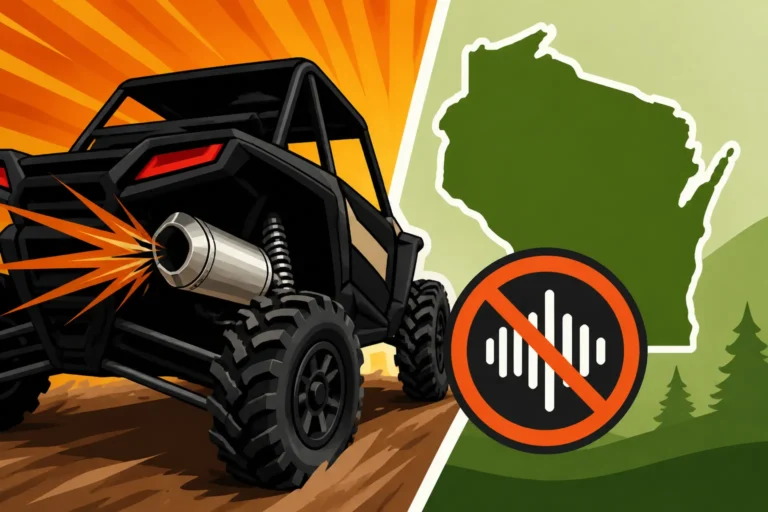
Additionally, your machine needs effective brakes, a functional exhaust system that meets noise limits (usually 96 decibels in Wisconsin), and a spark arrester. Turn signals are often required on road routes, as are rearview mirrors. Some riders choose to upgrade their lighting with aftermarket kits from reputable manufacturers like SuperATV to ensure maximum visibility and compliance. Always check the specific local ordinance for the route you plan to ride, as some towns might have additional requirements, such as a slow-moving vehicle sign or a specific type of reflective tape.
Personal Protective Equipment (PPE) for Road Route Riders
Beyond the mandatory helmet for riders under 18, other personal protective equipment (PPE) is highly recommended for all riders on road routes. Think about what you'd wear if you were riding a motorcycle; the principles are very similar. Sturdy over-the-ankle boots, long pants, a long-sleeved shirt or jacket, and gloves can provide significant protection in the event of a fall or collision. Even a minor incident on pavement can result in far more severe injuries than a similar incident on a dirt trail.
Eye protection, such as goggles or a face shield, is also crucial. Dust, bugs, and road debris can all impair your vision, and a moment of blindness can lead to serious trouble. While not always legally mandated for adults, choosing to wear a DOT-approved helmet, even if you're over 18, is a smart decision that significantly reduces the risk of head injury. Investing in good quality riding gear is an investment in your safety and enjoyment on the routes.
Common Misconceptions and Penalties on Wisconsin Road Routes
Despite clear regulations, there are still several common misunderstandings about riding on Wisconsin's road routes. Being aware of these can save you from inconvenient encounters with law enforcement and costly fines.
Misconceptions About Road Route Use
One prevalent misconception is that if a road is gravel, it's automatically an ATV/UTV route. This is absolutely not true. As mentioned earlier, only roads specifically designated and signed by local ordinance are legal routes. Another common mistake is assuming that just because you see others riding on a particular road, it must be legal. Unfortunately, some riders operate illegally, and following their example can lead to you facing the consequences. Always rely on official signage and maps, not anecdotal sightings.
Another frequent misunderstanding revolves around speed limits. Riders often assume the posted speed limit for cars applies to ATVs and UTVs. However, local ordinances frequently set lower speed limits for off-road vehicles on these routes, sometimes as low as 10-15 mph, particularly when passing through residential areas or town centers. Always look for signage indicating the specific ATV/UTV speed limit. Lastly, some riders mistakenly believe that if they have a driver's license, they don't need an ATV/UTV safety certificate. This is incorrect for those born on or after January 1, 1988; the two are separate requirements.
Fines and Penalties for Non-Compliance
Operating an ATV or UTV on a road route without the required safety certificate (if applicable), proper registration, or while violating other rules like helmet laws for minors or speed limits, can result in significant penalties. Fines vary but can quickly add up, and repeat offenses can lead to harsher consequences, including suspension of riding privileges. A typical citation for an unregistered machine or operating without a required safety certificate can run into hundreds of dollars.
Beyond monetary fines, there's the inconvenience of dealing with law enforcement, potential impoundment of your machine in extreme cases, and the negative impact on the perception of ATV/UTV riders in general. Every time a rider breaks the rules, it jeopardizes the future of road routes and open access for everyone. Understanding [Wisconsin ATV Ticket Amounts] is important for any rider. Compliance is not just about avoiding a ticket; it's about being a responsible member of the riding community and helping to preserve access for all.
Planning Your Certified Ride: Best Practices for Wisconsin Road Routes
With your safety certificate in hand (if required) and your machine properly equipped, you're ready to hit Wisconsin's road routes. A little planning goes a long way in ensuring a safe, enjoyable, and legal experience.
Pre-Ride Checklist for Road Routes
Before you even load your machine, it's wise to have a comprehensive pre-ride checklist, especially when planning to use road routes. Start with your paperwork: confirm your ATV/UTV registration is current, you have your safety certificate (if required by your birthdate), and any necessary non-resident trail passes. Ensure you have proof of insurance, as some local ordinances may require it. Physically check your machine: lights (headlights, taillights, brake lights, turn signals if equipped), brakes, tire pressure, and fluid levels. Make sure your exhaust system is not excessively loud and that a spark arrester is present and functional.
Next, consider your personal gear. Helmet, eye protection, sturdy footwear, and appropriate clothing. If you're riding with minors, double-check their helmet fit and ensure they understand the rules for road routes. Finally, plan your route. Use current maps or GPS apps like onX Offroad to identify designated ATV/UTV road routes and understand any local ordinances, such as hours of operation or specific speed limits. Knowing where you're going and what rules apply will prevent unexpected surprises. For example, [Wisconsin Warden Enforcement on Wisconsin Routes] is a real thing, so be prepared.
Navigating and Respecting Local Communities
When riding on road routes, you are a guest in local communities. This means demonstrating courtesy and respect for residents, other drivers, and local businesses. Maintain appropriate speeds, especially when passing through residential areas, and keep noise levels down. Wave to people you encounter, slow down when passing homes or businesses, and avoid kicking up dust or gravel unnecessarily. Remember that your actions reflect on the entire ATV/UTV riding community.
Parking your machine responsibly in towns is also important. Use designated parking areas where available, or park in a way that doesn't block traffic or impede businesses. When fueling up or stopping for a meal, support local establishments – they are often the ones who have worked to create these routes for your enjoyment. By being a good ambassador for the sport, you help ensure that these valuable road routes remain open and welcomed by the communities they pass through. This cooperative spirit is key to the long-term success of Wisconsin's expansive trail and route system.
Disclaimer
This article is for general informational purposes only and does not constitute professional advice. Laws, prices and regulations vary by location and change over time. Consult a qualified professional for guidance on your specific situation.