Storing a Machine Through a Wisconsin Winter
That crisp autumn air might feel invigorating on the trails, but for us Wisconsin ATV and UTV owners, it’s also a stark reminder: winter is coming, and with it, the need to properly store our beloved machines. Letting your quad or side-by-side sit neglected through months of snow, ice, and fluctuating temperatures is a recipe for headaches and expensive repairs down the line. This guide will walk you through everything you need to know about preparing your machine for its winter nap and ensuring it's ready to roar when spring finally arrives.
Why Winterizing Your ATV or UTV in Wisconsin is Non-Negotiable
Wisconsin winters are legendary for a reason. They're long, they're cold, and they bring a unique set of challenges that can wreak havoc on an off-road machine. Ignoring these realities won't save you time or money; in fact, it's almost guaranteed to cost you more of both when you try to fire it up next spring. Proper winterization isn't just a suggestion here in the Badger State; it's a critical act of preventative maintenance.
The Harsh Realities of a Wisconsin Winter
Think about what your ATV or UTV endures from December to March: prolonged sub-zero temperatures, sometimes deep into the negatives, heavy snowfall followed by thaws and refreezes, and relentless humidity even in the coldest air. All of these factors conspire against your machine. Fuels can degrade and gum up carburetors or injectors, batteries can drain and freeze, rubber and plastic components can become brittle, and moisture can find its way into every nook and cranny, leading to rust and corrosion.
It’s not just the obvious snow and ice. The constant freeze-thaw cycles can cause condensation inside fuel tanks and engine components, leading to water contamination and accelerated wear. Your machine might be built tough for the trails, but it’s not immune to the slow, insidious damage that months of Wisconsin’s extreme weather can inflict without proper protection. Neglecting winter prep means potentially dealing with anything from minor carburetor cleaning to major engine issues.
Preventing Costly Headaches Down the Road
The small amount of time and money you invest in proper winter storage is an insurance policy against much larger expenses. Imagine trying to start your machine in April, only to find the battery completely dead, the fuel system clogged with varnish, or the tires flat-spotted beyond repair. These aren't just inconveniences; they can mean significant repair bills, not to mention lost riding time.
By taking the necessary steps now, you’re safeguarding your investment. You’re ensuring the engine components stay lubricated, the electrical system remains healthy, and vital fluids don’t break down. This proactive approach extends the lifespan of your ATV or UTV, maintains its performance, and ultimately saves you from the frustration of a machine that refuses to cooperate when you’re itching to hit the [Wisconsin Trails That Link Two Towns] again. For many, a small investment in Winterizing Costs for a Wisconsin Owner now means years of reliable performance.
Essential Steps for Preparing Your Machine for Winter Hibernation
Winterizing your ATV or UTV is a multi-step process, but none of these steps are overly complicated. They all contribute to the overall health and longevity of your machine. Think of it as a comprehensive spa treatment before a long slumber, ensuring every part is clean, protected, and ready to wake up refreshed.
Fuel System Care: Preventing "Wisconsin Gunk"
One of the most common issues after winter storage is a gummed-up fuel system. Modern gasoline, especially blends with ethanol, can degrade over time, leading to varnish and corrosion that clog carburetors and fuel injectors. This is especially true when a machine sits for several months.
To avoid this, you’ll want to treat your fuel. Start by adding a high-quality fuel stabilizer to a full tank of fresh gasoline. A full tank minimizes condensation inside the tank, which helps prevent water from forming. Once the stabilizer is in, run the engine for 10-15 minutes. This ensures the treated fuel circulates throughout the entire fuel system, from the tank to the carburetor or injectors, protecting all components. For many, this is the single most important step. We even have an article about Fuel Stabilizer Before Storage to help you find the right product.
Battery Maintenance: Keeping the Juice Alive
A dead battery is another frequent and frustrating discovery in spring. Cold temperatures drastically reduce a battery's capacity and can cause a partially discharged battery to freeze and crack, rendering it useless. To prevent this, remove the battery from your machine. Clean the terminals thoroughly to remove any corrosion.
Store the battery in a cool, dry place indoors, ideally above freezing temperatures. Connect it to a trickle charger or a battery tender. These devices maintain a full charge without overcharging, preventing sulfation and extending battery life. Many Wisconsin riders swear by a Battery Tender Through a Wisconsin Winter to ensure their machine fires right up in the spring. If you skip this, you might be looking at Replacing a Quad Battery sooner than you'd like.
Fluids and Lubrication: A Fresh Start
Before storage, it’s an excellent practice to change the engine oil and filter. Used oil contains contaminants and acids that can corrode internal engine components during long periods of inactivity. Fresh oil provides maximum protection. While you’re at it, check the coolant level and condition. If your coolant is due for a flush or low on antifreeze protection, now is the time to address it.
Don't forget the grease points! Your ATV or UTV has several fittings (zerks) that require grease to keep moving parts healthy. Use a grease gun to pump fresh grease into all suspension, steering, and driveline components. This pushes out old, contaminated grease and provides a protective barrier against rust and corrosion. You can learn more about proper timing for this with our guide on Oil Change Intervals for Wisconsin Riders.
Tire and Suspension Prep: Avoiding Flat Spots and Stiff Shocks
Tires can suffer from flat spots if they sit in the same position for months, especially on concrete floors. To prevent this, inflate your tires to their maximum recommended pressure, which is usually higher than your normal riding pressure. This helps them maintain their shape.
If possible, lifting your machine off the ground using stands or blocks can completely eliminate flat-spotting and reduce stress on the suspension components. If lifting isn't an option, roll the machine a few feet every month or so to change the contact patch on the tires. Give the suspension components a good cleaning to remove any mud or grime, which can hold moisture and lead to rust. This small effort can save you from premature Tire Costs for Wisconsin Riders.
Cleaning and Protecting: Your Machine's Winter Coat
A thorough cleaning before storage is crucial. Wash your ATV or UTV to remove all dirt, mud, and debris. Pay close attention to the undercarriage, suspension, and engine area, where grime can trap moisture. After washing, ensure the machine is completely dry to prevent rust.
Once clean and dry, apply a protective wax or polish to painted surfaces and plastics. You can also use a silicone-based spray on rubber and plastic components to prevent drying, cracking, and fading. This protective layer acts like a winter coat, shielding your machine from dust, moisture, and temperature fluctuations in storage. If you used your machine for winter work, such as with Plow Kits Starting Near $370, be extra diligent in cleaning off any road salt residue.
Choosing the Right Storage Spot: Shed, Garage, or Off-Site?
Where you store your ATV or UTV makes a significant difference in how it weathers the winter. From heated garages to outdoor tarps, each option has its pros and cons, especially when dealing with Wisconsin's intense cold and moisture.
Indoor Storage: The Gold Standard in Wisconsin
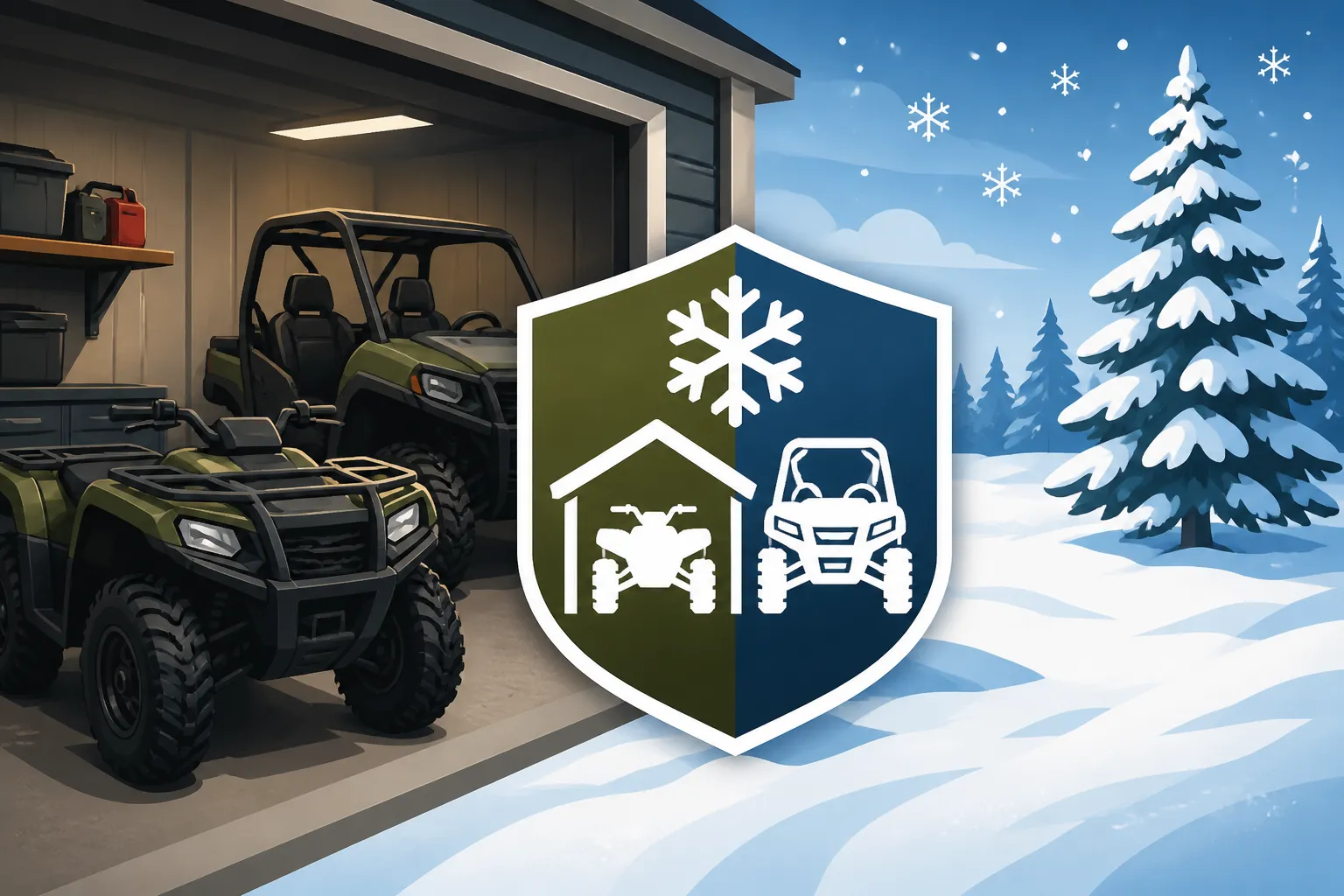
Ideally, you'd store your machine indoors, in a garage or shed. A heated garage is the ultimate luxury, providing stable temperatures that prevent freezing and condensation. However, even an unheated garage or shed offers substantial protection from the elements. It keeps snow, ice, and direct moisture off your machine, and temperatures will fluctuate less dramatically than outdoors.
Ensure the storage area is well-ventilated to prevent moisture buildup. If your garage is unheated, consider throwing a breathable cover over the machine to protect it from dust and accidental bumps, but avoid anything that traps moisture. A solid indoor space eliminates many of the worries associated with direct exposure to Wisconsin’s harsh winter weather.
Outdoor Storage: Making the Best of It
If indoor space isn't an option, outdoor storage is certainly possible, but it requires more diligence. The key is to protect your machine as much as possible from direct exposure to snow, rain, and ice.
Start by placing your ATV or UTV on a gravel or concrete pad, not directly on grass or dirt, which can wick moisture up into the machine. Elevate the tires off the ground using blocks if you can. The most important step is to use a high-quality, weather-resistant cover. Look for a cover that is waterproof but also breathable, or one that has vents to prevent condensation. Secure it tightly to prevent wind from blowing it off. For more options, check out Shed Versus Tarp for Storing an ATV Over Winter or Covering a Machine Through a Northwoods Winter for advice tailored to our climate.
Renting Storage for a Machine in Wisconsin
For those without adequate home storage, renting a dedicated storage unit is a fantastic alternative. Many self-storage facilities across Wisconsin offer options for vehicles, ranging from basic unheated units to climate-controlled spaces. This provides excellent security and protection from the elements, often at a reasonable cost.
When choosing a unit, consider whether you need climate control. For a fully winterized machine, an unheated, dry unit is usually sufficient. However, if you want extra peace of mind or have concerns about extreme temperature swings, a climate-controlled unit offers the best protection. Always check the facility's security measures and accessibility. Our article Renting Storage for a Machine in Wisconsin can give you more details on what to look for.
| Storage Option | Pros | Cons | Wisconsin Suitability |
|---|---|---|---|
| Heated Garage | Optimal protection, stable temp, easy access | High cost (heating), space may be limited | Excellent |
| Unheated Garage/Shed | Good protection from elements, secure, dust-free | Temperature fluctuations, risk of condensation | Very Good |
| Outdoor (Covered) | No extra cost for space, accessible | Exposed to extreme cold, wind, potential condensation under cover | Fair (requires careful prep and quality cover) |
| Rented Storage (Unheated) | Secure, keeps elements off, frees up home space | Monthly cost, travel time to access | Good |
| Rented Storage (Climate-Controlled) | Best protection, stable temp, very secure | Higher monthly cost, travel time to access | Excellent |
Spring Startup After a Wisconsin Winter: Waking Your Machine Up
After months of proper storage, the first warm days of spring are exciting. But before you hit the trails, there are a few important checks to perform to ensure your machine wakes up from its long slumber safely and reliably. This isn't just about turning the key; it's about a systematic reintroduction to active duty. This process is detailed further in Spring Startup After a Wisconsin Winter.
The First Checks Before You Turn the Key
Once the snow has melted and you’re ready to roll, start with a visual inspection. Check for any signs of critter nests or damage from rodents that might have taken refuge in your machine over winter. Look for frayed wires, chewed hoses, or other unwelcome surprises. Reinstall your fully charged battery, ensuring the terminals are clean and tight.
Check all fluid levels—engine oil, coolant, brake fluid, and differential fluids. Top them off if necessary. Inspect your tires for proper inflation (adjusting from their storage pressure to riding pressure) and for any signs of dry rot or cracks. Give all cables, such as throttle and brake, a once-over to ensure they move freely and aren't stiff or corroded.
Getting Ready for That First Spring Ride
Before you fire up the engine, remove any breathable cover you used and wipe down your machine. Once you turn the key, listen for any unusual noises. Let the engine idle for a few minutes to allow oil to circulate thoroughly and components to warm up.
Take your machine for a very short, slow test ride. Test the brakes repeatedly to ensure they are fully functional. Check that all lights and signals are working. Gradually increase your speed and test the steering and suspension. Pay attention to how the machine feels and sounds. If everything seems normal, congratulations! You’ve successfully navigated another Wisconsin winter and your ATV or UTV is ready for another season of adventure. Enjoy the ride, knowing your hard work now means less worry later, and remember to always carry Keeping the Registration Card With the Machine and Do You Carry Papers on a Wisconsin Trail? with you.
Disclaimer
This article is for general informational purposes only and does not constitute professional advice. Laws, prices and regulations vary by location and change over time. Consult a qualified professional for guidance on your specific situation.