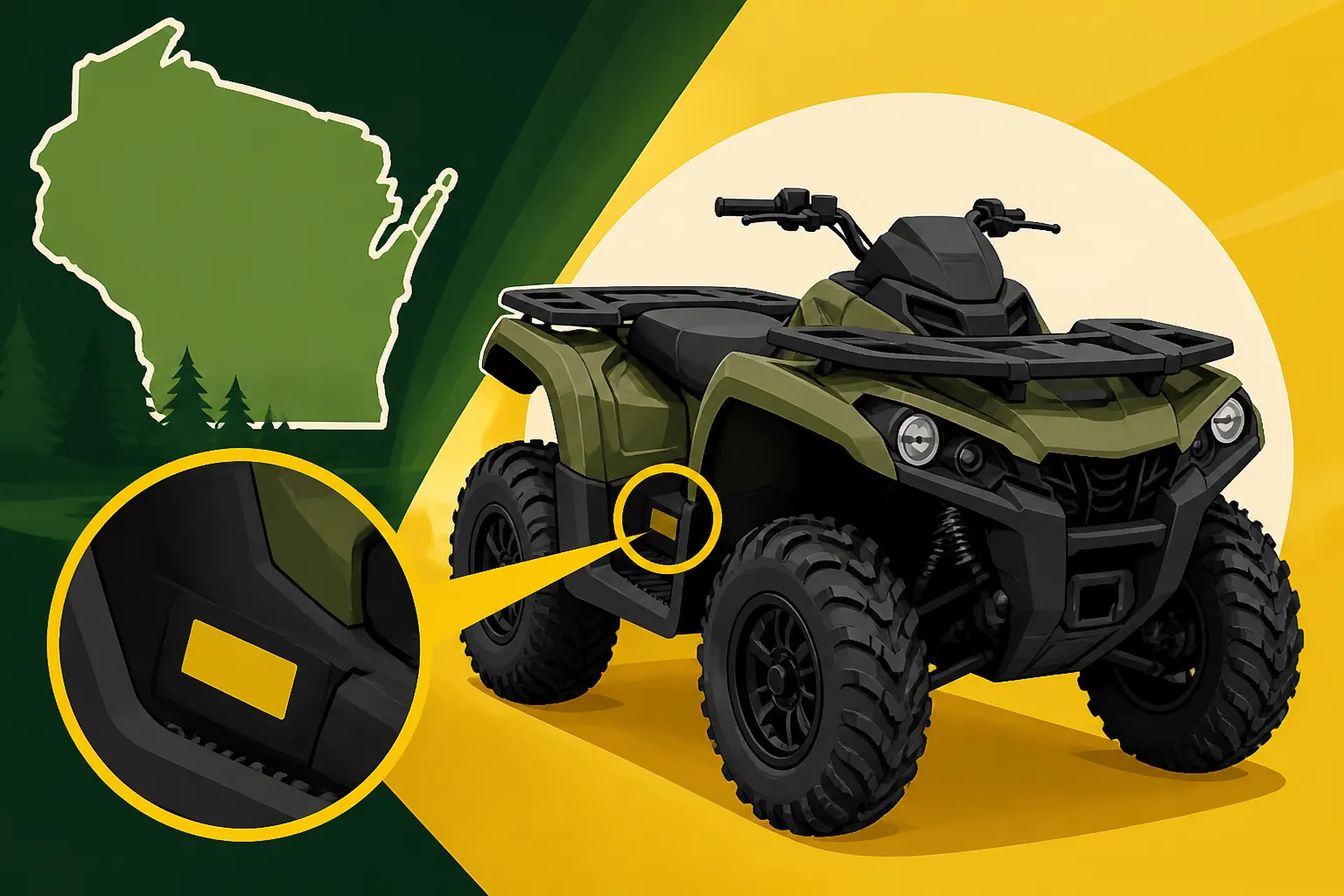
Where a Can-Am Outlander Carries Its VIN
Finding that all-important Vehicle Identification Number (VIN) on your Can-Am Outlander can sometimes feel like a treasure hunt, especially when you're geared up and ready to hit the trails or dealing with a new purchase. It's a common point of frustration for many riders trying to get their machine registered, especially here in Wisconsin where the DNR relies heavily on this unique identifier. This guide is going to walk you through exactly where to find your Outlander's VIN, what to do if it's hidden, and why it's so crucial for your riding adventures.
Why You're Hunting for That VIN on Your Can-Am Outlander
Let's be real, you wouldn't be looking for your VIN if it wasn't important. Whether you're a seasoned rider or just got your first Can-Am Outlander, this little string of numbers and letters is the backbone of your machine's identity. It's not just some random factory stamp; it's a critical piece of information that ties your ATV directly to you and its history.
The Importance of the VIN for Registration and Beyond
Here in Wisconsin, like pretty much everywhere else, your VIN is absolutely essential for [Registering an ATV in Wisconsin]. Without it, the Department of Natural Resources (DNR) simply can't process your registration. It's how they keep track of every machine on their system, ensuring that what you're riding is legally recognized. Think of it as your ATV's social security number. When you fill out the paperwork, whether it's at an agent or online, that VIN is the first thing they ask for.
But it goes way beyond just getting your stickers. The VIN is your first line of defense against theft, acting as a unique fingerprint. If your machine ever goes missing, that VIN is what law enforcement uses to identify it and, hopefully, get it back to you. It's also vital when you're buying or selling. When you're [Buying a Used ATV in Wisconsin: The Paperwork], the VIN allows you to check the machine's history, verifying ownership and ensuring it hasn't been reported stolen. It's how you make sure you're getting a legitimate machine and how you'll prove ownership when it's time to sell.
Common Frustrations When the VIN Isn't Obvious
We've all been there: you know you need the VIN, but trying to locate it on your machine can be surprisingly tricky. Sometimes it's caked in mud from your last glorious ride, or maybe it's just in an awkward spot that's hard to see without contorting yourself. On older machines, corrosion or paint can obscure the numbers, making them nearly impossible to read. It's incredibly frustrating when you're trying to get a task done – like renewing your registration or getting an insurance quote – and this seemingly simple step turns into a wrestling match with your machine.
I've heard countless stories from fellow riders up in places like Vilas County, ready to hit the trails around Eagle River, only to realize their registration is expired and they can't make sense of the VIN to renew it online. This struggle is real, and it's why knowing exactly where to look on your Can-Am Outlander is such a time-saver. Don't let a hidden VIN ruin your weekend plans or delay important paperwork.
Pinpointing the VIN on Your Can-Am Outlander
Okay, let's get down to business. You're ready to find that VIN. While manufacturers usually put the VIN in a fairly standard location, Can-Am Outlanders have a primary spot that's pretty consistent across models.
The Primary Location: Frame Rail on the Right Side
For most Can-Am Outlander ATV models, you'll find the VIN stamped directly onto the frame. This is crucial because it's a permanent mark, not just a sticker that can fall off or be easily removed. The most common location is on the right-hand side of the machine, on the frame rail, usually near the front right wheel.
To find it, you'll want to:
- Park your Outlander safely: Make sure it's on a level surface, engine off, and the parking brake engaged.
- Locate the front right wheel: Stand on the right side of your ATV (the side that would be to your right if you were sitting on it).
- Look along the frame rail: Follow the frame rail that runs from the front of the machine back towards the engine compartment. The VIN is typically stamped into the metal of this main frame member. It might be low, close to where the A-arms attach, or slightly higher up.
Sometimes it's tucked away a bit, so you might need to get down on one knee, or even lie on the ground, and use a flashlight. If there's a lot of dirt or mud, you'll need a rag and some elbow grease to clean it off. Be patient, it's there!
Deciphering the VIN: What the Numbers and Letters Mean
Once you've found that elusive VIN, you'll notice it's a 17-character sequence of letters and numbers. This isn't just gibberish; it's a globally recognized standard that holds a wealth of information about your specific machine. While you don't need to memorize the entire code, understanding a few key positions can be helpful, especially when you're verifying details or talking to a dealer.
Here's a quick breakdown of what some of those characters typically represent:
- Positions 1-3 (World Manufacturer Identifier – WMI): These identify the manufacturer and country of origin. For Can-Am, this usually starts with "2B" for Canada, where most Outlanders are made.
- Positions 4-9 (Vehicle Descriptor Section – VDS): This section describes the general attributes of the vehicle, like the engine type, model line, body style, and gross vehicle weight rating. Each manufacturer uses these positions differently, so it's specific to Can-Am's internal coding.
- Position 10 (Model Year): This is a really handy one! It's an alphanumeric code that tells you the model year of your ATV. For example, a "K" might represent 2019, an "L" for 2020, "M" for 2021, and so on. This is especially useful when checking for recalls or ordering specific parts, or when you're looking up [Which VIN Digit Gives the Model Year] on a machine you're considering buying.
- Position 11 (Assembly Plant): This character indicates the specific factory where your Outlander was assembled.
- Positions 12-17 (Vehicle Indicator Section – VIS or Serial Number): This is the unique serial number of your specific vehicle. No two ATVs will have the same last six digits. This is the part that truly identifies your machine.
Knowing this can help you verify information on a bill of sale or registration card. If you're using a service like LawDepot to create a bill of sale, double-checking the VIN against the physical machine and your title (if applicable) is a crucial step to avoid future headaches.
Tips for Locating a Faint or Obscured VIN
Sometimes, the VIN isn't just hidden by dirt; it might be faint from years of wear, or even partially obscured by a repair or aftermarket part. This is where a little extra effort comes in handy.
- Lighting is Key: A bright flashlight, especially one with a narrow beam, can make a huge difference. Hold it at different angles to catch the light on the stamped numbers. Sometimes, shining it across the surface, rather than directly at it, helps the embossed letters stand out.
- Cleaning, Cleaning, Cleaning: Get a stiff brush, some degreaser, and really scrub that area. Years of mud, grime, and even old oil can build up, making the stamping impossible to see. Be thorough but avoid anything overly abrasive that might damage the frame.
- Using Rubbings or Chalk: For extremely faint VINS, you can sometimes use a method similar to taking a headstone rubbing. Place a thin piece of paper (like receipt paper) over the VIN area and gently rub a pencil or crayon over it. The raised numbers should transfer to the paper. Another trick is to rub a piece of chalk over the area, then brush it off gently; the chalk dust often settles into the indentations of the VIN, making it more visible.
- Take a Photo: Once you've found it, take a clear photo with your smartphone. Not only will this give you a digital record, but you can zoom in on the picture to make sure you've transcribed every character correctly for your DNR registration or insurance forms. Trust me, it's easier to verify a VIN from a clear photo than to keep crawling under your machine. This photo can also serve as valuable [Proof of Ownership Without a Title] in some situations.
Other Places to Look and What to Do If You Can't Find It
Even with all the tips above, there are rare occasions when the primary VIN location on the frame just isn't giving up its secrets. Don't panic! There are a few other places to check and steps you can take.
Secondary Locations: Owner's Manual and Documentation
Your Can-Am Outlander's owner's manual is often a treasure trove of information, and the VIN is typically printed right inside. Look on the cover page, the introduction, or a dedicated "Vehicle Information" section. While this isn't a physical stamp on the machine, it's an official record provided by the manufacturer.
Other crucial documents where you might find the VIN include:
- Original Bill of Sale: This is perhaps the most important document when you first acquire your machine. The VIN should be clearly listed. If you're drafting one for a private sale, make sure you use a reputable template, perhaps from a service like LawDepot, and meticulously fill in the correct VIN. [What a Wisconsin ATV Bill of Sale Should Carry] always includes the VIN.
- Previous Registration Card: If you bought your Outlander used, the previous owner's registration card will have the VIN printed on it. This is a key document for transferring ownership.
- Insurance Documents: Your ATV insurance policy will definitely have the VIN recorded.
- Dealer Service Records: If your machine has been serviced by a Can-Am dealer, their records will contain the VIN.
Always keep these documents in a safe place, separate from your machine, just in case you need to refer to them or if your machine is ever stolen. Having multiple records of the VIN can save you a lot of grief.
When the VIN is Missing or Unreadable
This is a tough spot, and it can definitely make things difficult, especially if you're trying to register a machine that's new to you or one that hasn't been registered in a while. If, after all your efforts, the VIN on the frame is genuinely unreadable, missing, or appears to have been tampered with, you'll need to take a different approach.
- Contact a Can-Am Dealer: Your local Can-Am dealer in Wisconsin is an excellent resource. They might have tools or experience with hard-to-find VINS specific to Outlander models. They can also often access manufacturer records using other identifiers, like engine numbers or previous service history, to help confirm the VIN. They deal with [Correcting a VIN on a Wisconsin Record] often.
- Consult the Wisconsin DNR: If you truly cannot locate or read the VIN, and a dealer can't help, you'll need to contact the Wisconsin DNR's customer service or a local registration agent. They have procedures for verifying ownership and assigning new VINs in extreme cases, though this is rare and usually involves a physical inspection. This process ensures the integrity of the registration system and helps prevent stolen machines from being registered.
- Consider a Professional Inspection: If you're buying a used machine and the VIN is suspicious or unreadable, this is a huge red flag. Do not proceed with the purchase until you have absolute clarity. It's highly recommended to get [What a Wisconsin Shop Charges to Inspect a Used Quad] and have them look at the VIN for you. A reputable shop can often locate it or advise you on its condition. They can also help with [Running a Used Quad Past Theft Records] using a clear VIN.
The Role of a Bill of Sale or Dealer Documentation
The bill of sale is your primary proof of purchase and a critical document for registration. It should always include the full VIN. If you're buying from a dealer, they will typically handle the initial registration process for you, filing the necessary paperwork with the DNR within a few days of your purchase. They ensure the VIN is accurately recorded.
For private sales, the responsibility falls on you and the seller. Make sure your bill of sale, whether it's a simple handwritten document or a professional one generated from a service like LawDepot, clearly states the VIN. Both buyer and seller should sign and date it, and each should keep a copy. This document, combined with a clear VIN on the machine, provides undeniable proof of ownership and helps facilitate a smooth transfer of registration. Remember, even in Wisconsin where ATVs aren't titled, a solid paper trail starting with that VIN is your best protection.
Disclaimer
This article is for general informational purposes only and does not constitute professional advice. Laws, prices and regulations vary by location and change over time. Consult a qualified professional for guidance on your specific situation.