Wisconsin Dealer License Rules for ATV Sales
Selling or buying an ATV or UTV in Wisconsin can sometimes feel like navigating a maze of paperwork and rules, and it’s especially confusing when you wonder if the person you're buying from, or even yourself, needs some kind of special license to make the sale legal. Many folks worry about accidentally breaking a rule or getting stuck with a machine that has hidden issues because the seller wasn't legitimate. This guide is here to untangle the Wisconsin dealer license rules for ATV and UTV sales, making it clear when a license is a must-have and what that means for both buyers and sellers in our great state.
Understanding "Dealer" in Wisconsin ATV Sales
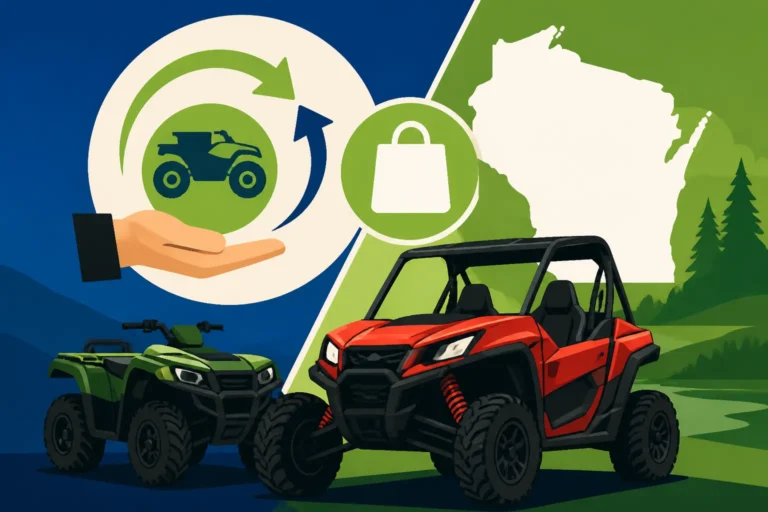
Let's face it, the term "dealer" can conjure up images of massive showrooms with rows of shiny new machines. But in the world of ATV and UTV sales, especially here in Wisconsin, the definition can sometimes feel a little fuzzy, leading to a lot of head-scratching. Many private citizens sell a machine or two over the years, and they're certainly not dealers. So, what exactly is it that separates a casual seller from someone who needs a license? It really boils down to frequency, intent, and whether your activities resemble a business more than a hobby.
What Triggers the Need for a License?
In Wisconsin, the Department of Transportation (WisDOT) and the Department of Natural Resources (DNR) oversee various aspects of vehicle sales and registration. When it comes to determining if you need an ATV or UTV dealer license, they're generally looking at whether you're engaged in the business of buying, selling, or exchanging ATVs or UTVs with a certain regularity. It's not just about how many machines you sell in a year, though that's a big part of it. It's also about your intent. Are you buying machines with the express purpose of cleaning them up and flipping them for a profit? Are you advertising yourself as a place where people can consistently find ATVs for sale?
If you're consistently acquiring machines, perhaps even making repairs or modifications, and then offering them for sale to the public, that's a pretty strong indicator you're operating as a dealer. This isn't just a casual sale of your old machine when you upgrade; it's a pattern of commercial activity. The state wants to ensure that entities regularly engaged in these transactions are properly licensed, bonded, and regulated to protect consumers and maintain fair business practices. Without proper oversight, it would be much easier for unscrupulous individuals to operate, making it harder for honest buyers and sellers to navigate the market.
Common Misconceptions About Selling ATVs
One of the biggest misconceptions out there is that if you sell more than one or two ATVs in a year, you automatically become a dealer. That's not always the case. Life happens, right? Maybe you bought a new side-by-side for yourself and then decided to sell your old quad and your spouse's smaller machine all within a few months. That's three machines, but it doesn't necessarily make you a dealer in the eyes of the state. The key is the intent behind those sales. Were you buying them to resell, or were they personal machines you were simply moving on from?
Another misconception is that you need a dealer license just to sell a "project" machine or something that's not running. While the condition of the machine is definitely a factor in its value, it doesn't change the underlying requirement for a dealer license. If you're consistently acquiring non-running machines, fixing them up, and then selling them, you might still be considered a dealer, regardless of their initial state. The rules are in place to regulate the business of selling, not just the sale of pristine, ready-to-ride machines. It's about ensuring a level playing field and protecting consumers from habitual sellers who might not offer the same assurances or have the same obligations as a licensed dealer.
The Specifics of Wisconsin ATV Dealer Licensing
So, you've realized your ATV or UTV selling activities might cross the line into "dealer" territory, or perhaps you're simply exploring the idea of starting a legitimate business. That's great! Becoming a licensed dealer in Wisconsin comes with its own set of responsibilities and a clear process. It's designed to ensure transparency, consumer protection, and proper record-keeping for every machine sold. This isn't just about paying a fee; it's about establishing a reputable business that adheres to state standards.
Key Requirements for Becoming a Licensed ATV Dealer
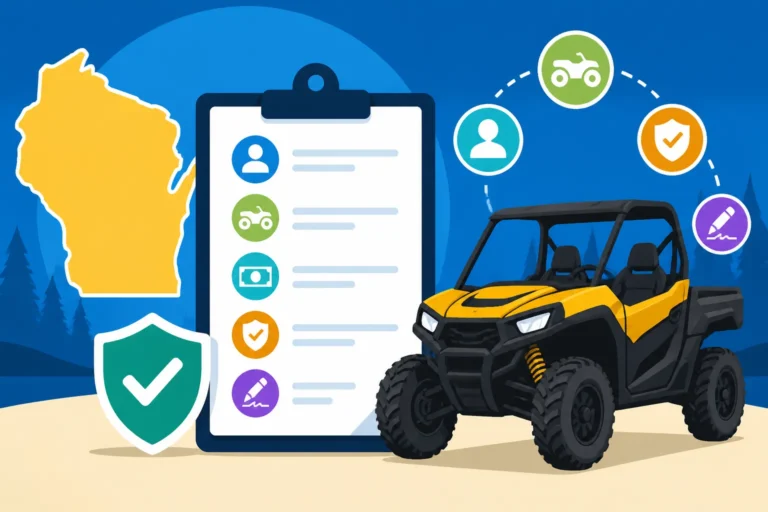
Becoming a licensed ATV or UTV dealer in Wisconsin isn't just a handshake agreement. The state has specific requirements to ensure that dealers are legitimate and accountable. First and foremost, you'll need a suitable place of business. This typically means a permanent structure, not just a residential garage, where you can display machines, conduct sales, and keep business records. It needs to be a place where customers can reasonably expect to find you during regular business hours. You can't just operate out of your backyard shed and call yourself a dealer.
Beyond the physical location, there's a significant amount of paperwork. You'll need to apply through the Wisconsin Department of Transportation, and this involves submitting detailed applications, potentially providing financial statements, and securing a surety bond. A surety bond acts as a financial guarantee that you, as a dealer, will comply with all state laws and regulations related to vehicle sales. If you fail to meet your obligations, the bond provides a means for consumers to recover damages. You'll also need to understand and comply with various zoning laws for your business location and potentially have proper signage. It's a comprehensive process designed to weed out fly-by-night operations and protect the public.
What a Licensed Dealer Can Do
Once you've jumped through all the hoops and secured your Wisconsin dealer license, a whole new world of opportunities opens up. A licensed dealer can legally buy and sell multiple ATVs and UTVs, both new and used, as a primary business activity. This means you can establish a commercial showroom, advertise widely, and build a brand. Perhaps one of the biggest advantages for customers is that licensed dealers are authorized to handle the initial registration paperwork directly with the Wisconsin DNR. This is a huge convenience for buyers, as it means they typically drive off the lot with all the necessary temporary documentation, and often the dealer will submit the permanent registration on their behalf. This smooths out the process immensely, avoiding that sometimes confusing trip to a [Wisconsin Registration Agent and Where They Are] or trying to navigate the [Wisconsin DNR ATV Registration Explained] yourself right after purchase.
Licensed dealers also have access to wholesale markets and can acquire inventory more easily than a private individual. They can often offer financing options to buyers, which is a major draw for many looking to purchase a new machine. Furthermore, they are typically subject to consumer protection laws that offer buyers more recourse in case of a problem, such as certain warranty obligations or legal avenues if the machine isn't as advertised. This provides a layer of trust and security that a private sale simply can't match.
The Cost and Ongoing Responsibilities
Obtaining and maintaining a Wisconsin ATV or UTV dealer license isn't a one-and-done deal. There are initial application fees, which can be substantial, as well as the cost of securing that surety bond. The bond amount will vary, but it's a necessary expenditure to prove your financial responsibility. Beyond the upfront costs, there are annual renewal fees to keep your license active. Think of it as the cost of doing legitimate business and maintaining your legal standing with the state.
But the responsibilities don't end with fees. Licensed dealers have stringent record-keeping requirements. Every sale, every purchase, every registration detail needs to be meticulously documented and kept on file for a specified period. This helps ensure transparency and makes it easier for state authorities to audit transactions if necessary. Dealers also have obligations regarding sales tax collection and remittance. When you buy from a dealer, they collect the [Wisconsin Sales Tax on an ATV Purchase] and any applicable county taxes and then pass that money on to the state. This contrasts sharply with private sales, where the buyer is typically responsible for remitting sales tax directly to the state or through a registration agent. Additionally, dealers must adhere to advertising rules, fair trade practices, and often specific regulations regarding disclosures about vehicle condition and history. It's a commitment to operating a transparent and compliant business.
Exemptions and Private Sales
Now, let's talk about the vast majority of us who just want to sell our personal machine without all the fuss of becoming a licensed dealer. Thankfully, Wisconsin has clear provisions for private sales that allow individuals to sell their ATVs and UTVs without needing a special license. This is a huge relief for anyone upgrading their ride or simply needing to free up some space in the garage. Understanding these exemptions is crucial, whether you're selling your own quad or buying from a fellow enthusiast.
Selling Your Personal Machine
If you're like most ATV and UTV owners, you'll eventually want to upgrade, or perhaps you're just moving on from the sport. Selling your personal machine, or even a couple of personal machines over time, absolutely does not require you to become a licensed dealer. The state recognizes that people buy and sell personal property. As long as these sales are infrequent and not part of a business pattern, you're considered a private seller. This means you don't need a commercial location, a surety bond, or to collect sales tax on behalf of the state.
When you sell your personal machine, your main responsibilities revolve around providing clear information to the buyer and correctly completing the transfer of ownership. This includes handing over the signed registration card—or a bill of sale if the card is lost—and making sure the buyer understands they'll need to register the machine in their name and pay sales tax if applicable. For an easy transition, make sure you know [What a Wisconsin ATV Seller Must Give the Buyer]. The goal is a smooth transaction that gets the machine into the buyer's name legally and responsibly.
Occasional Sales and the "Garage Sale" Rule
What if you're not a dealer, but you find yourself selling a few machines within a year, perhaps after clearing out an estate or downsizing a collection? Wisconsin's framework generally allows for "occasional sales" without requiring a dealer license. While there isn't a hard-and-fast rule like "you can sell exactly X number of machines," the emphasis remains on the intent and frequency not constituting a business. Think of it like a garage sale for larger toys; you're just offloading personal property.
If you're selling a handful of machines that you've personally owned, used, and are now ready to part with, you're typically still operating as a private individual. The key differentiator from a dealer is that you're not acquiring these machines with the intent to resell them for profit as a regular business practice. You're simply selling off existing assets. This flexibility ensures that individuals aren't inadvertently pushed into complex licensing requirements for what amounts to a personal transaction, even if it involves more than one vehicle.
The Role of a Bill of Sale in Private Transactions
For any private sale of an ATV or UTV in Wisconsin, a clear and comprehensive bill of sale is incredibly important, even if it's not strictly required for registration in some cases. While [Wisconsin Does Not Title ATVs], a bill of sale serves as your legal proof of the transaction. It documents who bought what, when, and for how much. This is your insurance against future disputes and your evidence that you no longer own the machine. It should include the date of sale, the purchase price, the full names and addresses of both buyer and seller, and a detailed description of the ATV or UTV, including its make, model, year, and crucially, the Vehicle Identification Number (VIN).
This document helps protect both parties. For the seller, it proves they transferred ownership and are no longer responsible for the machine. For the buyer, it's proof of purchase, which they'll need if there are any questions about sales tax or if they encounter an issue with the previous owner's claims. Resources like LawDepot can be incredibly helpful for drafting a legally sound bill of sale. They offer templates that ensure you include all the necessary information, giving you peace of mind that your private sale is properly documented. Having a professionally structured document, even for a casual sale, can prevent a lot of headaches down the road. Remember, [What a Wisconsin ATV Bill of Sale Should Carry] includes these vital details.
Here's a quick comparison of what to expect from licensed dealers versus private sellers:
| Feature | Licensed Dealer Sale | Private Party Sale |
|---|---|---|
| Seller Intent | Business of buying/selling/exchanging machines | Selling personal property; infrequent |
| Frequency of Sales | Regular, consistent commercial activity | Occasional, as personal needs change |
| Physical Location | Required commercial premise, showroom, or lot | Typically home or other agreed-upon meeting spot |
| Registration Filing | Often handles initial DNR registration for buyer | Buyer typically responsible for filing registration |
| Sales Tax Collection | Collects and remits state and county sales tax | Buyer responsible for remitting sales tax to state |
| Consumer Protection | Subject to specific dealer laws, bonds, and warranties | "As-is" sales are common; limited legal recourse |
| Financing Options | Often provides in-house or third-party financing | Typically cash sale or buyer-arranged financing |
| Proof of Sale | Purchase agreement, bill of sale, often temporary tag | Bill of sale (highly recommended), signed registration card |
The Benefits of Buying from a Licensed Dealer (and the risks of not)
Whether you're new to the world of ATVs and UTVs or a seasoned rider, deciding where to purchase your next machine is a big decision. While buying from a private seller can sometimes offer a lower price, there are distinct advantages to going through a licensed dealer in Wisconsin. These benefits often come down to peace of mind, consumer protection, and a smoother overall transaction process, which for many, outweighs the potential savings of a private sale.
Consumer Protections When Buying from a Dealer
One of the biggest upsides to purchasing an ATV or UTV from a licensed Wisconsin dealer is the layer of consumer protection that comes with it. Dealers are held to specific standards by the state. This means they often provide certain disclosures about the machine's history, condition, and any warranties. While a used machine might still be sold "as-is," many dealers offer their own limited warranties or stand behind their sales in a way a private individual simply isn't obligated to. If something goes wrong shortly after purchase, you generally have more recourse with a dealer. Their reputation and license depend on fair dealings.
Furthermore, licensed dealers are often required to be bonded, as mentioned earlier. This bond can offer a financial safety net for consumers if a dealer acts fraudulently or fails to meet their contractual obligations. When you're making a significant investment in an ATV or UTV, knowing that there are regulations and oversight in place to protect you can be incredibly reassuring. They also typically handle the sales tax collection and registration filing, ensuring that this crucial step is done correctly and efficiently, so you don't have to worry about accidentally missing the [The Ten-Day Transfer Deadline in Wisconsin] or properly proving [Proof of Sales Tax Wisconsin Requires].
The Pitfalls of Unlicensed Sellers
While many private sellers are honest, buying from an unlicensed individual can expose you to a few more risks. The most significant pitfall is the lack of consumer protection. Private sales are often "as-is, where-is," meaning once the money changes hands, you own any hidden problems with the machine. If the seller misrepresented the ATV's condition, or if something breaks down immediately after you take it home, your legal avenues for recourse are often limited and much more difficult to pursue than with a licensed business. There's no bond to claim against, and proving fraud can be a long and expensive process.
Another common issue is the potential for incomplete or incorrect paperwork. While many private sellers are diligent, it's not uncommon to encounter situations where the registration card is lost, a proper bill of sale isn't provided, or the sales tax process isn't clearly explained. This can lead to headaches when you try to register the machine yourself. You might even find yourself buying a machine with an undisclosed lien or, in the worst-case scenario, a stolen machine. While you should always be vigilant and run checks like [Running a Used Quad Past Theft Records], a private seller doesn't have the same legal obligation or resources as a dealer to guarantee a clean history. The allure of a lower price from a private party needs to be carefully weighed against these potential risks and the added work you might have to do to make the sale legitimate.
Disclaimer
This article is for general informational purposes only and does not constitute professional advice. Laws, prices and regulations vary by location and change over time. Consult a qualified professional for guidance on your specific situation.