Eye Protection for a Wisconsin Passenger
A passenger’s eyes can take dust, grit, insects, branches, and debris kicked up by the machine ahead. In Wisconsin, the right protection also depends on the helmet, the passenger’s age, and where you ride. Here’s how to choose eyewear that stays put, works with a helmet, and helps you avoid confusing good safety practice with a legal requirement.
What Wisconsin passengers should know about eye protection
Eye protection is a sensible part of riding gear for every ATV or UTV passenger. Moving air can dry and irritate eyes, while trail debris can cause an injury before a rider has time to react. A passenger may be especially exposed when seated behind the operator or riding in an open-cab side-by-side.
Wisconsin’s rules for passengers cover issues such as age, seating, and protective headgear. The precise requirements can depend on the machine and where it is being operated. Do not assume that a passenger is exempt from a rule simply because the operator is complying, or that a helmet’s visor automatically satisfies every local requirement.
For riders under 18, helmet requirements deserve particular attention. Start with Wisconsin Helmet Rules for a Passenger Under 18 and Wisconsin Helmet Requirements Under 18. Eye protection is a separate gear question: even where a particular eyewear type is not specifically required, a passenger still needs a practical way to protect their eyes.
Rules can also vary on roads and routes. A town or other local authority may set conditions for ATV or UTV use, so check the applicable ordinance before riding. Municipal Ordinances Wisconsin Riders Must Read explains why a statewide overview may not answer every local question. If the ride includes a public road route, review Passengers on a Wisconsin Road Route as well.
The safest approach is to treat eyewear as essential protective equipment, while checking the rules that apply to the specific trip. When in doubt, contact the local authority responsible for the route or confirm the current requirements with the Wisconsin DNR.
Choosing eyewear that works with a helmet
A pair of ordinary sunglasses may be better than riding with bare eyes, but it is not always the best choice for a trail. Glasses can shift in wind, leave gaps around the sides, or fall off when a passenger turns their head. Goggles generally offer more coverage and are easier to secure under a helmet.
| Option | Useful for | Common drawbacks |
|---|---|---|
| Riding goggles | Dusty trails, higher speeds, and open-cab machines | Can fog or feel warm if ventilation is poor |
| Helmet visor or shield | Blocking wind and larger debris, if it fits the helmet | May leave gaps at the sides or bottom; check the helmet’s instructions |
| Sports-style glasses | Casual riding and passengers who need prescription lenses | Often provide less wraparound coverage and may shift |
| Regular sunglasses | Bright conditions and lower-exposure rides | Usually offer limited side protection and may not stay secure |
A good fit matters more than appearance. Try the eyewear with the helmet the passenger will actually wear. The frame or goggle strap should not press uncomfortably against the helmet, and the eyewear should not push the helmet upward or interfere with its fit. A helmet that moves because goggles are forcing it out of position is not a good combination.
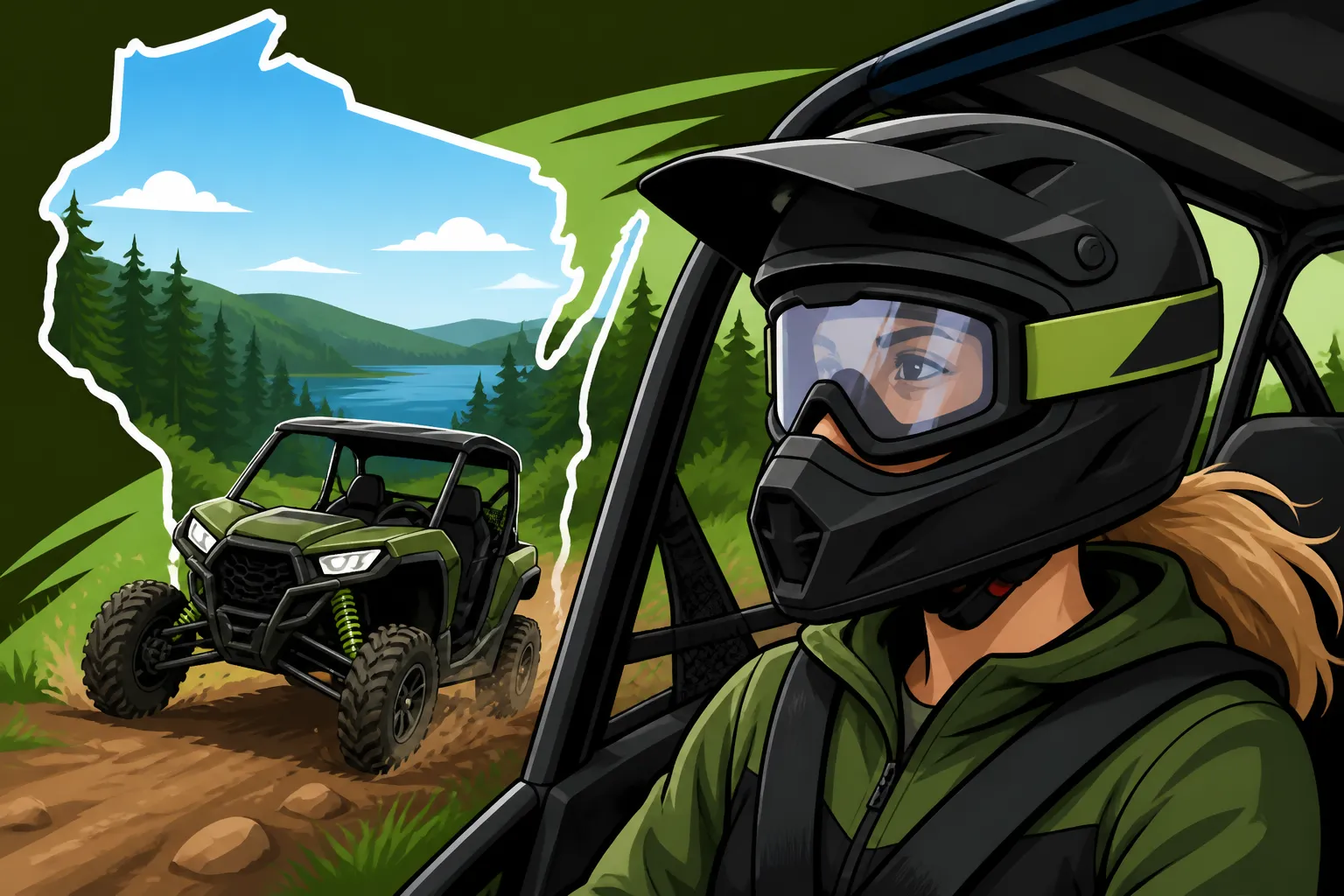
Look for a secure fit around the eyes, enough room to blink freely, and a strap that stays in place when the passenger turns their head. Goggles should sit comfortably against the face without pinching. If they leave large gaps, debris can still get in. A full-face helmet with a shield can be useful, but check that the shield closes and stays in its intended position.
Prescription needs deserve planning too. A passenger who wears glasses may need prescription riding goggles or eyewear designed to fit over their glasses. Do not assume that ordinary glasses will fit comfortably beneath a helmet or goggles; test the combination before the ride. If the fit causes pain or affects vision, choose a different setup rather than asking the passenger to tolerate it.
A clear lens is a practical choice when light is low or conditions change. Tinted lenses can reduce glare in bright sun, but a tint that is too dark can make it harder to see in shaded woods, at dusk, or under a helmet visor. For changing conditions, carry a clear spare lens or a second pair of suitable eyewear.
Match the protection to the ride
The right eyewear depends partly on the machine and route. A passenger in an open ATV seat has little between their face and dust, branches, or wind. A passenger in a side-by-side may have a windshield, but an open or partially enclosed cab can still allow debris and dust inside. A windshield reduces exposure; it does not guarantee that a passenger’s eyes are protected.
Trail conditions also matter. A dry trail can send dust toward passengers, while a wet trail may fling mud or grit. Riding behind other machines increases the chance of encountering kicked-up material. Branches along a narrow trail and insects on a warm ride are further reasons to keep eyewear on throughout the trip, not just when the group reaches a dusty stretch.
Choose gear with the conditions in mind:
- For dusty trails: Use well-fitting goggles with ventilation. A comfortable fit encourages the passenger to keep them on.
- For bright sun: Consider a moderate tint, but make sure the passenger can still see clearly in shaded sections.
- For changing light: Use a clear lens or bring a clear spare. Avoid relying on a dark lens as the light fades.
- For cold or windy rides: A helmet shield or close-fitting goggles can reduce airflow around the eyes. Check that breath does not fog the lens.
- For an open-cab UTV: Give the passenger eye protection even if the machine has a windshield; airflow and debris can still enter from the sides or above.
- For a child passenger: Prioritize a secure, comfortable fit and make sure the child can see clearly without adjusting the eyewear while riding.
If the passenger is also new to riding, eye protection should be part of a broader safety check. Confirm that the machine is designed to carry a passenger and that the passenger has a designated seat and appropriate restraints where fitted. A child should not be carried on a machine that lacks a proper passenger position. See Wisconsin Rules for a Child Passenger and Two Up on a Single-Seat Quad for related considerations.
Fit, care, and a simple pre-ride check
Even good goggles are not useful if they are scratched, fogged, loose, or left behind. Make eyewear part of the same pre-ride routine as helmets and seat belts. The passenger should put it on before the machine moves and keep it on while riding, including when travelling slowly through a wooded or dusty section.
Use this quick check before setting off:
- Check the fit with the helmet on. The eyewear should sit in place without lifting or shifting the helmet.
- Check the view. Look forward and to each side. The lens should be clean, clear enough for the light, and free of distracting scratches.
- Secure the strap or shield. Make sure the strap is not twisted and that a visor or shield stays in its intended position.
- Check for fogging. If the lens fogs while stationary, adjust ventilation or use a different setup before riding.
- Pack a spare. A clean spare lens or backup pair can save a ride if the main eyewear is lost or damaged.
Clean lenses with a soft cloth and a product that is safe for the lens material. Grit trapped on a lens can scratch it, so rinse or gently remove dirt before wiping. Store goggles in a protective pouch rather than loose in a tool box or gear bag with hard objects.
Do not use damaged eyewear. A cracked lens, broken strap, or frame that no longer holds its shape can leave the passenger exposed or obstruct their view. Replace worn equipment rather than trying to secure it with a makeshift fix.
If you shop online, including through Amazon, compare the product’s sizing information and helmet compatibility rather than relying on a photo alone. Check whether it accommodates prescription glasses if needed, and make sure replacement lenses are available if the model uses them. For a child, avoid buying oversized goggles with the idea that they will “grow into” them; a loose fit can let debris in and become uncomfortable.
Finally, keep legal checks separate from gear choices. A specific trip may have route rules beyond the general state requirements, and those rules can change. Verify current requirements for the route and municipality, then choose eyewear that suits the passenger and conditions even if the law does not specify a particular style.
Disclaimer
This article is for general informational purposes only and does not constitute professional advice. Laws, prices and regulations vary by location and change over time. Consult a qualified professional for guidance on your specific situation.