Scrapping a Machine Past Saving
It's a familiar and frankly, pretty frustrating scenario for many of us who love hitting Wisconsin's trails: you've got an ATV or UTV that's seen better days. Maybe it's a trusty old workhorse that finally threw a rod, perhaps it rolled one too many times on a steep hill in the Northwoods, or it might just be so rusted and worn out that the thought of another repair bill makes your wallet weep. Whatever the reason, you've reached that heartbreaking moment when you realize your beloved machine is truly "past saving." Now what? This guide is all about navigating the practical, legal, and emotional landscape of decommissioning that machine in Wisconsin, ensuring you handle the registration, the physical remains, and your peace of mind responsibly.
When an ATV or UTV is Truly "Past Saving" in Wisconsin
Every rider eventually faces this crossroads. It's not just about a flat tire or a dead battery; we're talking about damage so extensive, or a repair cost so astronomical, that it just doesn't make financial or practical sense to fix it. It’s hard to let go, especially if that machine has years of memories attached to it, but sometimes, it’s the only logical step.
Identifying the Point of No Return
How do you know when it’s time to wave the white flag? Often, it comes down to a few key indicators. Is the frame bent or cracked beyond repair? The frame is the backbone of your machine, and severe damage here can be prohibitively expensive, sometimes even impossible, to fix safely. Think about a machine that's been in a major accident, perhaps involved in a rollover incident on a challenging trail near [Black River State Forest ATV Riding]. Repairing a compromised frame often means welding, straightening, or even replacing major structural components, which can quickly outweigh the machine’s actual value.
Then there’s the engine. A catastrophic engine failure, like a thrown rod that punches a hole in the engine block, can be incredibly costly. A new engine, or a full rebuild, might run into thousands of dollars. When you compare that potential bill to what your machine might be worth on the used market—especially if it’s an older model—it often doesn't add up. You might also encounter a machine that was submerged in a flood, or sat outside uncovered for years, leading to widespread rust in critical areas like suspension mounts, wheel bearings, or the entire drivetrain. The accumulation of several major issues, each requiring significant investment, can collectively push a machine into the "past saving" category. It’s not just one thing; it’s the culmination of issues that make it financially irresponsible to bring it back to life.
The Environmental and Legal Realities of Disposal
Once you've made the tough decision, the next step isn't just to drag it out back and let it rust further. We live in a state that values its natural beauty and has clear regulations about waste disposal. Simply abandoning a machine, even on your own property, can lead to environmental hazards from leaking fluids like oil, gas, and antifreeze, not to mention creating an eyesore. It's illegal to dump any vehicle or large machinery in unauthorized areas, and doing so can lead to hefty fines and clean-up costs.
Even if you own land and think you can just keep it tucked away in a back forty, there are considerations. For one, it’s still on your land, potentially posing a risk to anyone who comes across it. For another, the machine still exists in a physical form, and its Vehicle Identification Number (VIN) might still be readable. While it's unlikely, a readable VIN on an abandoned machine could theoretically be misused. Responsible disposal means following the proper channels, both for the physical machine and its associated paperwork.
Handling the Wisconsin Registration for a Scrapped Machine
This is where many Wisconsin ATV and UTV owners get tripped up. When your machine is beyond repair, you’re not just dealing with a pile of metal; you’re also dealing with its administrative identity through the Wisconsin DNR. Even though it's a junk heap, it still has an active registration record until you formally address it.
Why You Need to Address the Registration
Think about it this way: your ATV or UTV has a unique VIN, and that VIN is linked to a registration record with the Wisconsin DNR. This record indicates that you are the owner of that specific machine. If you simply let the machine sit and do nothing about the registration, that record remains active. Why is this a problem? Primarily, it’s about potential liability and preventing headaches down the road. While Wisconsin doesn't title ATVs, the registration serves as a key piece of identification and ownership proof. [Why Wisconsin Does Not Title ATVs] explains this distinction further.
If the machine were ever partially salvaged or if someone unscrupulous were to get hold of its VIN, they could potentially try to register parts or even fraudulently claim ownership, especially if you haven't formally decommissioned the record. While it's rare for someone to actively try to steal a VIN from a scrap pile, it's not impossible. More commonly, you simply want to close out that chapter cleanly. You don't want to receive renewal reminders for a machine that’s long gone, nor do you want any lingering administrative ties to something that no longer exists in a usable form.
Steps to Cancel a Wisconsin ATV/UTV Registration
To truly sever ties with your defunct machine and ensure its record is properly handled, you should contact the Wisconsin DNR directly. Unlike selling a machine, where a transfer simply changes the owner on an active registration, scrapping often requires a more definitive cancellation. The DNR might not have a specific "scrapped machine" form, but they can guide you on how to formally remove the machine from their active database.
Typically, this involves contacting the DNR's customer service or recreation vehicle registration unit. You'll likely need to provide the machine's VIN and your current registration number. Explain that the machine has been permanently decommissioned and is being scrapped. They may ask for a brief explanation of the circumstances. While they might not require you to mail in your old registration card, it's a good idea to have it handy. The goal is to ensure the DNR marks the machine's record as inactive or permanently out of service. This prevents any future confusion and effectively closes out your responsibility for that specific machine's registration. For more general information on how the process works, refer to [Wisconsin DNR ATV Registration Explained]. It's always best to be proactive and make that call to ensure everything is squared away.
What if You Just Let the Registration Expire?
Some owners might consider simply letting the registration lapse and not renewing it. While this is a passive way to ensure you don't keep paying for a machine that doesn't run, it doesn't quite achieve the same clean break as actively canceling it. When a registration expires, the machine simply drops off the active roster for public use. It means you couldn't legally ride it on public trails if it were running, and you wouldn't receive renewal notices.
However, the DNR still maintains a record of its existence and its last registered owner. If you truly want the machine's administrative footprint removed from your ownership, particularly if you're taking it to a salvage yard, a more formal cancellation is often preferred. Letting it expire might seem easier, but actively communicating with the DNR about its demise provides a clearer, more secure administrative conclusion. This prevents any ambiguity, should questions arise later, and offers complete peace of mind that you've done everything by the book for your [Registering an ATV in Wisconsin] once-active machine.
What to Do with the Physical Remains of Your Machine
So, you've decided it's truly beyond hope, and you've initiated the process to handle its registration status. Now, what about the actual machine, that heavy, unmoving pile of metal and plastic sitting in your garage or yard? You have a few options for responsibly dealing with the physical remains, ranging from monetizing parts to complete disposal.
Parting Out a Quad That Will Not Start
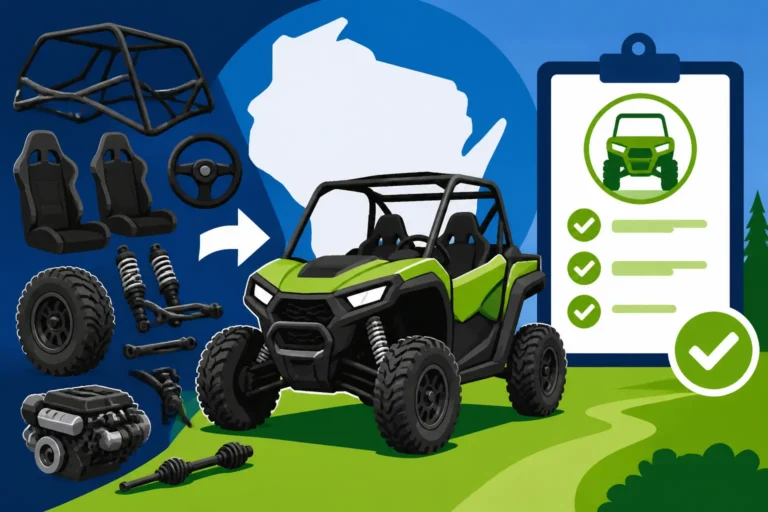
Just because an ATV or UTV won't start or run doesn't mean it's utterly worthless. Many components might still be perfectly good and valuable to other riders looking for replacement parts. Think about tires and wheels, plastics (fenders, hood, seat), headlights and taillights, handlebars, racks, winches, plows, and even suspension components like shocks and A-arms. These items can be quite expensive new, so a used part in good condition from a "junked" machine can be a lifesaver for someone else's repair project.
You can advertise these parts on local online marketplaces like Facebook Marketplace, Craigslist, or even specific Wisconsin ATV enthusiast forums. Be completely transparent about the machine's condition and why you're parting it out. Clearly state that the machine itself is not running and that you are selling individual components. Providing clear photos and accurate descriptions of the parts’ condition is crucial for a smooth transaction. You might be surprised how much value you can recover from a machine you thought was completely useless. For a deeper dive into this, check out our guide on [Parting Out a Quad That Will Not Start].
Finding a Reputable Salvage Yard or Scrap Metal Dealer
If parting out isn't your thing, or if the machine is truly just a shell, a salvage yard or scrap metal dealer is your next stop. These facilities specialize in dismantling vehicles and recycling their raw materials. Start by searching for "metal recycling," "auto salvage," or "scrap yard" in your area. Major Wisconsin cities like Milwaukee, Madison, Green Bay, and Eau Claire will have several options, and many smaller towns have local scrap yards.
When you contact them, ask about their requirements for accepting ATVs or UTVs. They will almost certainly require proof of ownership, even if it's just for scrap metal. Your cancelled registration card, or a bill of sale from when you originally purchased the machine, will usually suffice. Some yards might require you to drain all fluids (oil, gas, antifreeze) before drop-off, as these can pose environmental hazards or complicate their recycling process. They'll weigh the machine and offer you a price based on the current scrap metal market, which fluctuates. Make sure you get a receipt detailing the transaction for your records.
Proof of Ownership Even for Scrap
This is a critical point that often surprises people: even when you’re scrapping a machine that’s clearly worthless, you still need to demonstrate that you are its legal owner. This is to prevent the scrapping of stolen property. For Wisconsin ATVs and UTVs, which aren't titled, your most important document is your current or most recent registration card. This card, issued by the DNR, links your name directly to the machine's VIN.
If you’ve lost your current registration card, don't panic. Other documents might work. A previous bill of sale from when you bought the machine, especially if it clearly lists the VIN, can serve as proof. If you truly have no official paperwork, you might need to create an affidavit of ownership stating that you are the rightful owner and how you came to possess the machine. Online resources like LawDepot offer templates for various legal documents, including affidavits, which can be helpful in situations where original paperwork has gone missing. This type of affidavit can sometimes be used to satisfy a scrap yard’s requirements for proof of ownership, but it's always best to call ahead and confirm what documents they will accept. [Proof of Ownership Without a Title] dives into these options further.
Protecting Yourself When Disposing of a Junked ATV/UTV
Disposing of a machine, even one past saving, isn't just about getting rid of the metal; it's also about protecting yourself from any future headaches or liabilities. A little bit of careful documentation and diligence now can save you a lot of grief later.
Documenting the Disposal
When you take your machine to a salvage yard, always get a receipt for the transaction. This document, detailing the date, the machine’s VIN, and confirming its disposal, is your official proof that you’ve transferred possession and responsibility. Keep this receipt with your important papers, just like you would a vehicle title or a house deed. It’s your insurance against any future questions that might arise regarding the machine.
If you’re selling parts, a simple bill of sale for each significant component can also be a good idea, though often not strictly necessary for small items. However, if you sell something like an engine block or a frame, even if damaged, documenting the sale protects you. You can easily find generic bill of sale templates online, and services like LawDepot offer customizable templates that make it simple to create a clear record of the transaction. This protects both you and the buyer by clearly stating what was sold and its condition.
The Importance of Removing the VIN
The Vehicle Identification Number (VIN) is the machine’s unique identifier. If you’re truly scrapping the frame of the machine, which typically carries the primary VIN, consider defacing or removing the VIN plate or stamping if it's safely possible and legal to do so. This is an extra layer of protection to prevent any highly improbable, but still possible, fraudulent activities where someone might try to re-use a VIN from a scrapped machine. Always check with the scrap yard or DNR first, as some facilities might have specific procedures or preferences regarding VINs. However, if the entire frame is being crushed, the VIN will effectively be destroyed with it.
Selling Parts and Managing Liability
When you choose to part out your machine, especially if you're selling components like brakes, steering, or suspension, it's crucial to manage your liability. Always sell these parts "as-is, where-is" and make it abundantly clear to the buyer that they are used components from a machine that was ultimately deemed irreparable. Emphasize that the buyer is responsible for verifying the parts' suitability and safety for their intended use.
A simple written agreement or a clear bill of sale can reiterate this. For larger parts or multiple sales, a template from a service like LawDepot can help you formalize these "as-is" terms, ensuring both parties understand the transaction. You don't want someone coming back to you weeks or months later claiming a part you sold them failed and caused an accident. Clarity in communication and documentation is key. [What a Wisconsin ATV Bill of Sale Should Carry] provides excellent guidance on drafting these documents.
| Disposal Option | Pros | Cons | Key Documents/Steps |
|---|---|---|---|
| Parting Out | Recover maximum financial value from usable components. | Time-consuming; requires knowledge of parts; storage for parts; dealing with multiple buyers; remaining frame/shell still needs disposal. | Clear descriptions and photos for sales; simple bill of sale (e.g., from LawDepot) for larger items; proper communication on "as-is" condition. |
| Scrap Yard | Quick and relatively easy disposal of the entire machine (or remaining shell); environmentally responsible recycling. | Lower financial return (scrap metal value); need to drain fluids; proof of ownership required. | Official receipt from scrap yard; valid proof of ownership (registration card, old bill of sale); contacting DNR for registration cancellation. |
| Donation | Potentially a tax deduction; sense of contributing to a good cause. | Limited options (few charities accept non-running ATVs); may still require proof of ownership and prior fluid drainage. | Research suitable charities; obtain official donation receipt for tax purposes; contact DNR for registration cancellation. |
Disclaimer
This article is for general informational purposes only and does not constitute professional advice. Laws, prices and regulations vary by location and change over time. Consult a qualified professional for guidance on your specific situation.