Riding a Friend’s Land Up North
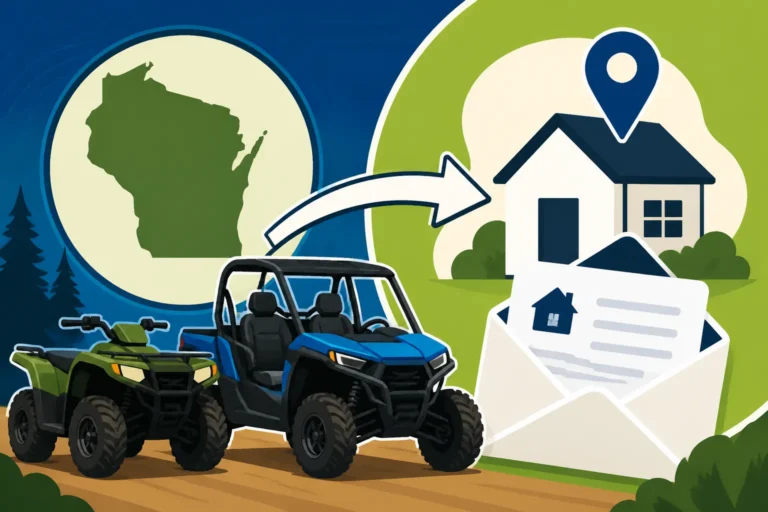
You've got a fantastic opportunity to ride your ATV or UTV on a friend's private land up north in Wisconsin, maybe for a hunting trip, a family getaway, or just a weekend of tearing up some trails. It sounds simple, right? Just load up and go. But before you hit the gas, there are some important considerations regarding registration, safety, and liability that many riders overlook when they're not on public trails. This guide will walk you through the specifics of what you need to know to ensure your ride on private land is legal, safe, and worry-free for both you and your host.
Understanding What "Private Land" Really Means for Your Ride
When you're heading "up north" to a friend's cabin or hunting parcel, it's easy to assume that because it's private property, all the usual rules just melt away. But Wisconsin's regulations for ATVs and UTVs have some nuances even when you're off the public trail system. It's not always as straightforward as it seems, and understanding the boundaries – both physical and legal – is your first step to a hassle-free experience.
Defining "Private Land" in the Wisconsin ATV Context
For the purpose of ATV and UTV use, private land generally refers to property that is not owned or managed by a government entity (state, federal, or municipal) and is not open to public use. This could be your friend's sprawling forty acres of woods, a family farm, a leased hunting ground, or even a small residential lot where you might just be plowing snow with your machine. The key distinction is that access is controlled by the landowner, not by public access laws or trail systems.
However, even on private land, there can be complexities. For example, if your friend's property has an easement running through it for utility lines, or if a town road skirts the edge, those sections aren't strictly "private" for all purposes. It's crucial to understand where the property lines actually are and what public thoroughfares or access points might intersect or abut the land. Misunderstanding this can lead to unintentional trespass or operating on public land without proper registration, which brings its own set of problems and potential fines. Always get a clear understanding of the boundaries before you unload your machine.
The Gray Area of Access and Easements
Many properties "up north" aren't neatly fenced, and boundaries can feel fluid, especially with old logging roads or access lanes. You might drive down a gravel track that feels entirely private, only to find it's a shared easement or even an unmaintained public right-of-way. This is the gray area where many riders get into trouble. Just because a road isn't paved doesn't mean it's private. Some townships have extensive networks of unpaved, low-traffic roads that are indeed public, and thus require a publicly registered machine to ride on them, even if you're just trying to get from one part of your friend's property to another.
The critical takeaway here is to always confirm with your friend exactly where you are permitted to ride and if there are any areas that are off-limits, even if they appear to be part of their parcel. What looks like a private trail might actually be an access point for another landowner or even a designated public corridor. A quick detour onto an unmarked trail or what you assume is part of your friend's property could lead to an uncomfortable conversation with an irritated neighbor or, worse, a Wisconsin DNR warden. It's always better to be overly cautious and confirm these details upfront.
Understanding Registration: When You Need It, Even on Private Land
Many riders assume that if they're only riding on private land, they don't need any registration for their ATV or UTV. While this can be true in very specific circumstances, it's not a blanket rule. Wisconsin has distinct registration categories, and knowing which one applies to your situation can save you from a headache, especially if you're not riding your own land.
Wisconsin's Private Use Registration
Wisconsin offers a unique registration specifically for machines that will never be operated on public trails, routes, or lands. This is called a [Private Registration That Never Expires]. It's a one-time fee and essentially serves as a permanent record of ownership with the state. While it doesn't give you access to public trails, it provides proof of ownership if your machine is ever stolen or if there's a dispute over who owns it. For a machine that genuinely stays confined to a friend's private acreage and never so much as crosses a public road, this registration ensures your machine is on record without the annual renewal hassle of a public-use plate.
However, this private registration truly means private. If your machine ever leaves the friend's property, even to cross a small town road to another parcel, or is transported on a trailer that travels public roads, you might step outside the bounds of this private registration's intent for riding. Most riders, even those who primarily ride private land, find themselves occasionally needing to interact with public spaces, which leads us to the next point.
When Public Registration Still Comes into Play
Despite your intention to stick to private land, there are many scenarios where you'll still need [Wisconsin's Public Use ATV Registration]. Think about how you get your machine to your friend's property: you trailer it on public highways and local roads. While trailering itself doesn't require the ATV/UTV to be registered for riding, any operation on public land or waters, or even just crossing a public road, demands public registration. For instance, if your friend's land is bisected by a town road, and you want to ride from one side to the other, that short hop across the asphalt necessitates a valid public registration.
Furthermore, many areas "up north" have extensive networks of [Wisconsin Towns With Miles of Open Roads] that are designated as ATV/UTV routes. If your friend's property happens to be adjacent to one of these routes, and you decide to take advantage of it, you'll need public registration and to adhere to all the associated rules, including helmet laws for youth and possibly safety certificates. The convenience of public routes makes public registration a worthwhile investment for many riders, even if most of their time is spent on private acreage.
Exemptions You Might Not Know About
While most recreational riding requires some form of registration, Wisconsin does have specific exemptions. For example, if you're riding an ATV or UTV strictly for agricultural purposes on a farm, it might be exempt from registration requirements. This is often the case for machines used for tasks like hauling feed, checking fences, or plowing fields. However, these exemptions are usually tied to actual farming operations, not recreational riding, even if it's on farm property. [Registering a Side-by-Side Used on a Wisconsin Farm] details these specific considerations.
Another very narrow exemption applies to machines operated solely on your own private property, completely isolated from any public access, and not intended for public use or transportation. This is typically for machines used in a very confined space, like a large backyard. However, for riding on a friend's land, this "your own property" exemption usually doesn't apply. The safest bet for clarity, especially when riding on someone else's property, is to either have a valid public use registration or, at the very least, the private use registration if you're absolutely certain the machine will never touch public ground. When in doubt, it's always better to register.
Safety, Liability, and Agreements When Riding Private Property
Riding on a friend's land brings with it a whole different set of considerations beyond just registration. While the atmosphere might feel relaxed and informal, the potential for accidents and legal entanglements remains very real. Protecting yourself, your friend, and anyone else involved means thinking proactively about permission, insurance, and the rules of the road – even when there isn't a road.
Formalizing Permission and Setting Expectations
It might feel awkward to ask your friend for formal permission, especially if you've been riding there for years or they've extended a casual invitation. However, a simple verbal "come on up and ride" might not be sufficient if an accident or dispute arises. A clear understanding of the terms of your visit can prevent major headaches later. This doesn't mean you need to sign a mortgage document, but having a written agreement, even a basic one, outlining where you can ride, what activities are permitted (e.g., no night riding, stay off specific areas), and who is responsible for what, can be incredibly valuable.
This is where tools from services like LawDepot can be quite helpful. They offer customizable templates for various legal documents, including basic land-use agreements or liability waivers that could be adapted for something as simple as granting permission to ride an ATV on private property. Such a document could specify that the rider assumes all risks, agrees to abide by certain rules, and understands the landowner is not liable for injuries. While not every friendship needs this level of formality, for extended stays, multiple riders, or particularly risky activities, a simple, documented understanding of permission and expectations protects everyone involved. It’s not about mistrust; it’s about clear communication and shared responsibility, much like ensuring you have [What a Wisconsin ATV Bill of Sale Should Carry] for a transaction.
Insurance: Protecting Yourself and Your Friend
Even on private land, accidents happen. You could hit a tree, roll your machine, or accidentally damage your friend's property. What if a passenger gets injured, or you collide with another rider? Many people mistakenly believe their homeowner's insurance will cover ATV incidents, but this is often not the case, especially if the machine is off your own property or being used in a way the policy doesn't explicitly cover. This is why [Insuring an ATV in Wisconsin] is absolutely critical.
An ATV/UTV insurance policy typically offers liability coverage (for damage you cause to others or their property), collision coverage (for damage to your machine), and medical payments coverage. Even if your friend is genuinely happy for you to ride their land, they certainly don't want to face a lawsuit because you or someone with you had an accident. Having your own insurance policy shows responsibility and ensures that financial burdens from unforeseen incidents are handled by an insurer, not by your friendship or your friend's personal assets. Discussing insurance coverage before you ride is a sensible conversation that every responsible rider should have with their host.
Youth Riders and Safety Certificates on Private Land
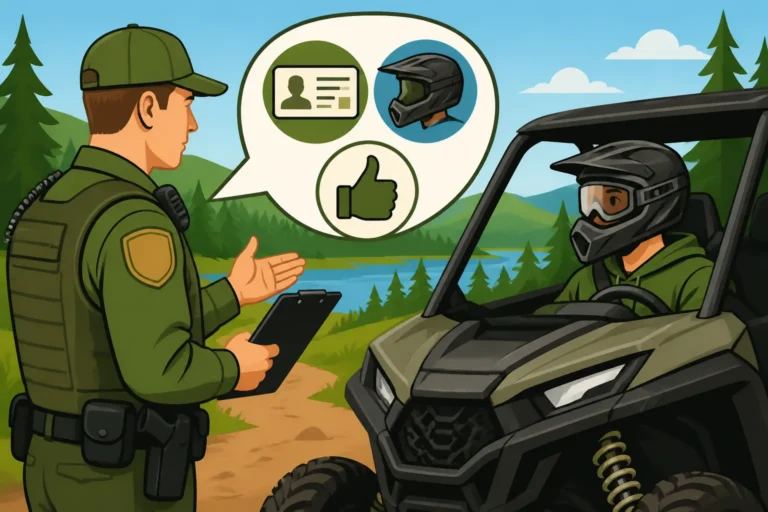
If you're bringing kids or young adults along to ride on your friend's land, Wisconsin's youth safety regulations still largely apply. While [Wisconsin Rules on Private Land] generally allows owners to set their own rules for their own property, when guests are involved, especially minors, state laws kick in. Specifically, any person born on or after January 1, 1988, must hold a valid ATV safety certificate to operate an ATV on any public land or private land not owned by an immediate family member. So, if your buddy's kid wants to ride on their parent's land, they might be exempt. But if your child, born after that date, is riding on your friend's land, they absolutely need that [Wisconsin's ATV Safety Certificate Requirement].
Furthermore, age restrictions still apply. While a 12-year-old can operate an ATV, a UTV requires the operator to be at least 16. [Twelve for an ATV, Sixteen for a UTV] highlights this important distinction. Also, riders under 18 must wear a helmet, even on private property. [Wisconsin Helmet Requirements Under 18] is not just a suggestion; it's the law. Ignoring these rules can lead to serious legal consequences and, more importantly, tragic injuries. Make sure all youth riders are properly certified, of age for the machine they're on, and wearing appropriate safety gear.
Key Takeaways for a Worry-Free Ride Up North
Planning a trip to ride on a friend's private land in Wisconsin should be exciting, not a source of stress or legal concern. By taking a few proactive steps and understanding the nuances of Wisconsin's ATV/UTV laws, you can ensure your visit is enjoyable and safe for everyone involved.
Before You Head Up North
Consider this a checklist for a smooth trip:
- Confirm Boundaries: Talk to your friend about the exact boundaries of their property and any areas that are off-limits, even if they appear to be part of the land. Clarify if there are any easements or public rights-of-way you need to be aware of.
- Check Registration: Decide whether you need a [Wisconsin's Public Use ATV Registration] (most common for any public interaction, even crossing a road) or if a [Private Registration That Never Expires] is truly sufficient for your specific use. Remember, if you trailer your machine on public roads, you don't need riding registration for the trailer trip itself, but any operation off the trailer on public land or to cross public land requires public registration.
- Verify Safety Certificates: If anyone in your riding group was born on or after January 1, 1988, ensure they have their Wisconsin ATV safety certificate. This is a must for riding on land not owned by an immediate family member.
- Review Youth Rules: Confirm all youth riders meet the age requirements for the machines they'll operate (e.g., 12 for an ATV, 16 for a UTV) and that helmets will be worn by all riders under 18.
- Secure Insurance: Make sure your ATV/UTV is properly insured with liability coverage. Your homeowner's policy might not cover accidents on someone else's private property.
- Formalize Permission: While optional, consider a simple written agreement or email confirming permission to ride, especially if it's a large group or a longer stay. This helps set clear expectations and protect both parties. Resources like LawDepot can provide basic templates if you need them.
During Your Stay
Once you're there, enjoy the ride, but always keep these points in mind:
- Ride Responsibly: Respect the land, ride within your skill level, and follow any specific rules your friend has set for their property.
- Stay Within Bounds: Stick to the agreed-upon riding areas to avoid trespassing on neighboring properties.
- Be Prepared: Carry basic safety and first aid gear, and know how to contact emergency services if needed. Cell service can be spotty in parts of northern Wisconsin.
- Leave No Trace: Pack out everything you pack in, and minimize your impact on the environment.
By diligently addressing these points, you can relax and truly enjoy the fantastic opportunity to explore Wisconsin's beautiful northern landscapes on your friend's private land, making memories without the worry of unexpected legal or safety issues.
Disclaimer
This article is for general informational purposes only and does not constitute professional advice. Laws, prices and regulations vary by location and change over time. Consult a qualified professional for guidance on your specific situation.