Wisconsin ATV Accident Reporting Rules
Alright, let's talk about something no one ever wants to experience, but every single one of us needs to be prepared for: an ATV or UTV accident out on the trails or routes here in beautiful Wisconsin. It's a stark reality that even the most careful rider can find themselves in a bind, and when that happens, knowing what to do in the immediate aftermath, especially concerning accident reporting rules, can feel incredibly overwhelming. This guide is here to break down exactly what you need to know about reporting requirements in Wisconsin, helping you navigate a stressful situation with a bit more clarity and confidence.
The Immediate Aftermath: What to Do at the Scene of an ATV or UTV Accident in Wisconsin
When an accident happens, whether you're alone or with a group, the moments right after can be chaotic and confusing. Your adrenaline is pumping, and it's easy to overlook crucial steps. But taking a deep breath and focusing on a few key priorities can make a world of difference for everyone involved and for any future reporting or insurance claims.
Prioritizing Safety and Assessing Injuries
First and foremost, your health and the safety of everyone involved are paramount. Before you even think about damage or who's at fault, you need to check for injuries. Are you okay? Is your passenger okay? What about other riders or bystanders? If anyone is hurt, especially if it's beyond a minor scrape, the very first thing you need to do is call 911. Don't hesitate. Emergency services can provide medical attention and also help secure the scene.
Once you've ensured that immediate medical needs are being addressed, or if miraculously everyone is unharmed, think about scene safety. Is your machine, or the other involved machines, in a position where they could cause another accident? Can they be moved safely off a trail or road route? If you're on a blind curve or in a heavily trafficked area, consider setting up some sort of warning, even if it's just waving arms or using a flashlight if it's dark. You want to prevent a bad situation from getting worse. Remember, a warden might ask [What a Wisconsin Warden Asks a Rider For], and your immediate actions regarding safety will always be a key part of that conversation.
Exchanging Information with Other Parties
If another person or machine was involved in the accident, exchanging information is a critical step, similar to what you'd do after a car crash. Even if it seems minor, get details. Collect the full name, address, and phone number of every operator and passenger involved. Ask for their ATV or UTV registration number, if they have one, and their insurance information. Get the make, model, and year of their machine. Take notes, or better yet, snap photos of their registration card and insurance card.
It can feel awkward, especially if you know the other party or if tensions are high, but this information is vital for any [Wisconsin ATV Crash Reporting] that might be required later and for your insurance company. If the other party is unwilling to share information, or if they leave the scene, make sure to note that and provide as much descriptive detail as possible to law enforcement if they are called.
Documenting the Scene and Damage
In today's world, your smartphone is your best friend after an accident. Take as many photos and videos as you can from multiple angles. Document the position of the machines, any visible damage to them, and any damage to property or natural features (like broken fences, damaged trees, or disturbed trail surfaces). Capture the surrounding area – the trail conditions, any signage, the weather, and anything else that might have contributed to or been affected by the accident.
Don't forget to take close-up shots of specific damage points. Did your A-arm bend? Is there a crack in your fender? Note any aftermarket parts you might have installed, perhaps from a brand like SuperATV, as these might affect repair costs or insurance claims. If there are witnesses, ask them for their contact information and if they would be willing to provide a statement about what they saw. Their perspective can be incredibly valuable in understanding [Who Pays After a Wisconsin ATV Collision]. Detailed documentation helps paint a clear picture for the DNR, law enforcement, and your insurance company, preventing disputes down the line.
When and How to Report an ATV or UTV Accident to the Wisconsin DNR
Navigating the official reporting requirements can be confusing, especially when you're shaken up. Wisconsin has specific thresholds for when an ATV or UTV accident must be reported to the Department of Natural Resources (DNR). It's not every fender bender, but it's important to know the difference.
Understanding Wisconsin's Reporting Thresholds
In Wisconsin, an ATV or UTV accident must be reported to the DNR if it results in one of the following:
- A death: Sadly, this is the most severe outcome, and reports are always mandatory.
- An injury that requires medical attention beyond first aid: This is a crucial distinction. If someone needs to go to the emergency room, see a doctor, or be admitted to a hospital, even if they feel "fine" at the moment, it qualifies. A simple bandage or an ice pack typically wouldn't trigger this, but if there's any doubt, it's safer to err on the side of reporting.
- Property damage totaling $1,000 or more: This applies to the combined damage to all ATVs, UTVs, and any other property involved in the accident. This can add up quickly. A bent frame, a smashed headlight, a broken axle, or even extensive body panel damage can easily push you over this limit. Even minor looking damage can hide expensive repairs.
It's important to remember that these are the minimum requirements. Even if your accident doesn't meet these specific thresholds, it's often a good idea to report it anyway, especially if there's any ambiguity, or if you anticipate any future issues with the other party or your insurance. Think of it as creating a clear record. Sometimes, what seems like a minor tweak at the scene turns into a significant repair bill once you get it to the shop.
The Reporting Process: Who, What, Where, When
If your accident meets the DNR's reporting criteria, the operator of the ATV or UTV involved is responsible for filing the accident report. If the operator is unable to do so due to injury or incapacitation, another participant or a witness can file the report on their behalf. The report needs to be filed within 10 days of the accident if it involves an injury or property damage. If a fatality occurs, the report must be filed within 15 days.
You'll need to contact the Wisconsin DNR to obtain the official ATV/UTV Accident Report form. You can usually find information on their website or by calling a local DNR office. The form will ask for detailed information about the operator(s), the machine(s) involved, a description of the accident, the extent of injuries, and the nature of property damage. This is where all those photos and notes you took at the scene become invaluable. Be as accurate and thorough as possible. The DNR uses this data to track accident trends and improve safety regulations, which ultimately benefits all of us riders. If you're riding [After a Crash on a Wisconsin Route], knowing this process is key.
Consequences of Not Reporting a Reportable Accident
Ignoring Wisconsin's accident reporting rules can lead to some unpleasant consequences. First, there could be legal penalties, including fines for failing to file a required report. While the specific amounts can vary, it's an unnecessary headache and expense. More importantly, not reporting an accident can significantly complicate any insurance claims you might need to make. Your insurance provider might deny coverage or delay processing if the official DNR report isn't on file when it should be. This could leave you on the hook for expensive repairs or medical bills.
Furthermore, if there are injuries to another party and you failed to report the accident, you could face civil lawsuits without the benefit of an official report detailing the events. This leaves you in a much weaker position to defend yourself or your actions. It's truly not worth the risk to skip this step if your accident meets the reporting criteria. Don't put yourself in a position where you're struggling with [Wisconsin Penalties for Reckless Riding] or other citations just because you didn't file the proper paperwork.
Beyond the DNR: Other Entities You Might Need to Contact
While the DNR is primarily concerned with recreational vehicle safety and statistics, other parties might need to be informed after an ATV or UTV accident, depending on the circumstances. It's not just about compliance; it's about protecting yourself and addressing all potential impacts of the incident.
Informing Law Enforcement (Sheriff, Local Police)
The DNR handles ATV/UTV accident reports, but local law enforcement (the county sheriff's department or city/town police) often gets involved, especially if the accident occurs on a designated [Riding an ATV on a Wisconsin Road Route], involves other types of vehicles (like cars), or if there are severe injuries or fatalities. If alcohol or drugs are suspected as a factor in the accident, law enforcement will certainly be involved, as [Wisconsin Alcohol Limits for ATV Operators] are strictly enforced, and an OWI on an ATV is a serious offense.
It’s always a good idea to call the local police if there’s a dispute at the scene, if someone leaves, or if you feel unsafe. They can respond, help mediate, collect information, and ensure public safety. While they might not file the specific DNR report, their presence and documentation can be extremely helpful for your records and for insurance purposes. They can also assist with crowd control or traffic management if the accident is blocking a public thoroughfare.
Notifying Your Insurance Provider
This is a step you should absolutely not skip, regardless of whether your accident meets the DNR's reporting thresholds. As soon as practically possible after an accident, contact your ATV or UTV insurance provider. They need to know what happened to initiate a claim, investigate the damage, and help you understand your coverage. Many policies have clauses requiring timely notification of incidents. Delays can complicate your claim or even result in a denial of coverage.
Provide them with all the information you collected at the scene, including photos, witness contacts, and any details about other parties involved. They'll guide you through the claims process, which might include having an adjuster inspect your machine. Understanding your policy is key; remember that [Wisconsin ATV Insurance Cost] isn't just about the premium, but what it actually covers when you need it most. They can also advise on liability if another party is seeking compensation for damages or injuries.
Dealing with Property Owners or Public Land Managers
If your accident occurred on private land that isn't yours, or on public lands managed by a specific entity (like a county forest, national forest, or state park), it's courteous and often required to notify the property owner or land manager. This is especially true if you caused any damage to their property – a fence line, a tree, a sign, or even the trail surface itself.
For example, if you were riding on a county trail system and damaged a bridge or culvert, the county forestry department or local trail club would need to know. They rely on these reports to maintain the trails and ensure safety for future riders. Prompt notification can help maintain good relationships and prevent further issues, such as being held liable for unreported damage or even trespass if you were riding off-trail. Understanding the specific rules for the land you're riding on is part of responsible riding.
What Happens After You File an Accident Report in Wisconsin?
Filing the report isn't always the end of the story. There are often follow-up steps and potential ramifications that you should be prepared for, from DNR investigations to insurance claim adjustments and even legal proceedings.
The DNR's Role in Accident Investigation
Once your accident report is filed with the Wisconsin DNR, they don't just put it in a file and forget about it. DNR wardens may follow up to gather more information, clarify details, or even visit the scene if it's a serious accident. They use these reports to identify patterns, pinpoint dangerous areas, and develop safety recommendations or educational programs. Their goal is to prevent similar accidents from happening in the future, ultimately making riding safer for everyone.
The DNR's findings can also be important if there are disputes between parties or for [Wisconsin ATV Injury Claims]. While they don't determine civil liability, their factual findings about the accident circumstances can carry weight. Be cooperative if a warden contacts you for further information; it's part of ensuring a complete and accurate record. Sometimes, information gathered through [Warden Enforcement on Wisconsin Routes] might even trigger a review of specific trail sections or local ordinances.
Navigating Insurance Claims and Settlements
After you've reported the accident to your insurance provider and the DNR (if required), the insurance claims process will kick into gear. An insurance adjuster will likely be assigned to your case. Their job is to investigate the accident, assess the damage to your machine and any other property, and determine what your policy covers. This can involve inspecting your ATV/UTV, reviewing police or DNR reports, and talking to witnesses.
If your machine is damaged, the adjuster will determine the cost of repairs or if it's a total loss. They'll work with you to settle the claim, either paying for repairs or providing you with a payout for the machine's value. If another party was at fault, their insurance company would typically be responsible for your damages. Conversely, if you were at fault, your liability coverage would kick in to cover damages or injuries to others. This process can sometimes feel slow and frustrating, but providing thorough documentation and clear communication helps it move smoothly.
Potential Legal Ramifications and Responsibilities
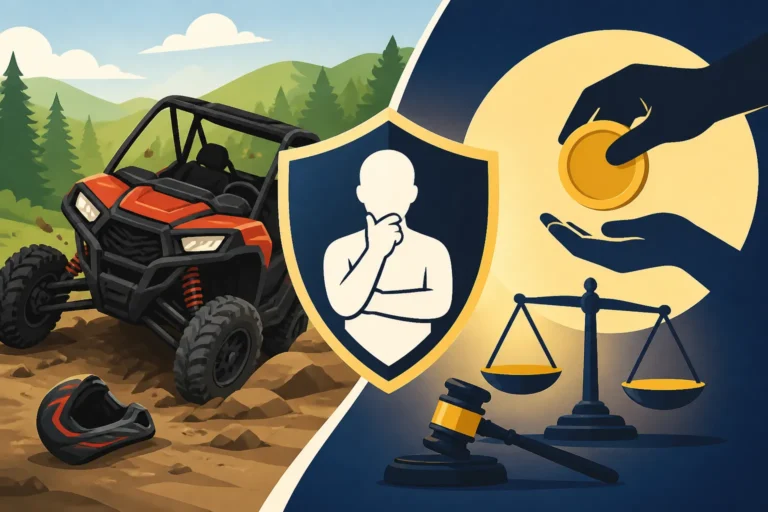
While most ATV accidents don't end up in court, it's a possibility, especially if there are significant injuries or substantial property damage. If you were deemed at fault for an accident that caused injury or damage to another person or their property, they might file a civil lawsuit against you. This is where your liability insurance comes into play, as it's designed to protect you in such situations.
If you receive a citation from law enforcement or the DNR related to the accident – perhaps for reckless operation, operating under the influence, or [Fines for Riding Wisconsin Unregistered] – you have the right to address that citation in court. It’s always wise to consult with an attorney if you're facing legal action or significant citations. They can help you understand your rights and options and guide you through the legal process.
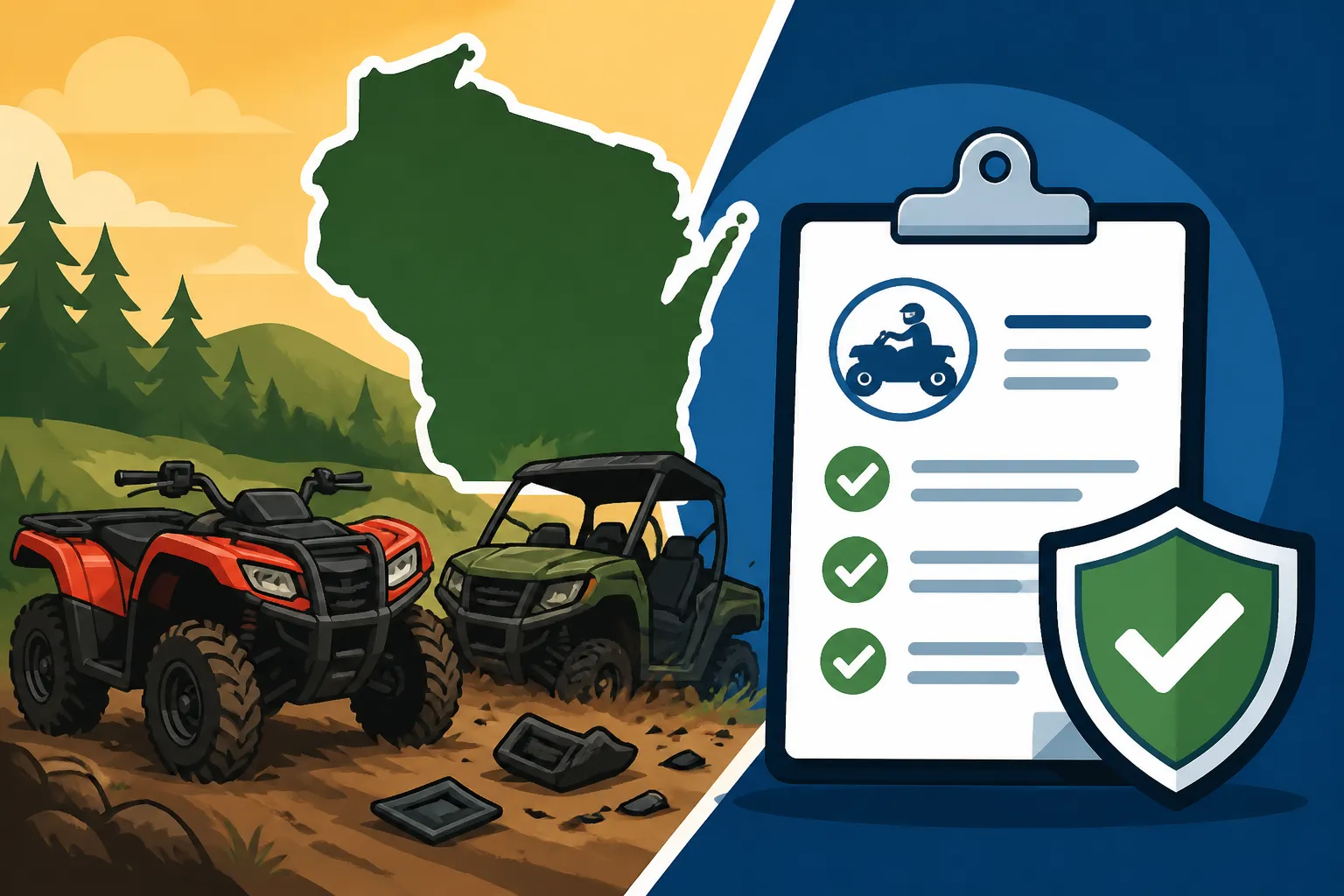
Here's a quick summary of the key steps to take after an ATV/UTV accident in Wisconsin:
| Step | Description | Key Action |
|---|---|---|
| 1. Prioritize Safety & Check for Injuries | Ensure immediate safety for all involved; move to a safe location if possible. Assess for injuries and call 911 for medical emergencies. | Call 911 for injuries; secure the scene. |
| 2. Exchange Information | Collect names, contact details, machine registration, and insurance information from all involved parties. | Gather full contact and machine details. |
| 3. Document the Scene | Take extensive photos/videos of machines, damage, property, and surrounding conditions. Gather witness contact info. | Photo/video everything; get witness contacts. |
| 4. Report to DNR (If Required) | If the accident resulted in death, injury requiring more than first aid, or $1,000+ in combined property damage, the operator must file a report within 10-15 days. | Obtain and submit official DNR accident report form. |
| 5. Notify Law Enforcement | Call local police/sheriff if on a road route, involves other vehicles, serious injuries, or if alcohol/drugs are suspected. | Contact local authorities for severe cases or disputes. |
| 6. Contact Your Insurance Company | Inform your ATV/UTV insurance provider promptly, regardless of DNR reporting requirements, to initiate a claim. | Call your insurance agent/company immediately. |
| 7. Inform Property Owners/Managers | If the accident occurred on private or managed public land (e.g., county forest), notify the owner/manager, especially if property damage occurred. | Report damage to relevant property owners. |
| 8. Cooperate with Investigations | Be responsive to any follow-up inquiries from the DNR, law enforcement, or insurance adjusters. | Provide accurate and complete information as requested. |
| 9. Seek Legal Advice (If Needed) | If facing significant injuries, property damage claims, or legal citations, consider consulting an attorney. | Consult an attorney for complex situations. |
Disclaimer
This article is for general informational purposes only and does not constitute professional advice. Laws, prices and regulations vary by location and change over time. Consult a qualified professional for guidance on your specific situation.