Two Up on a Single-Seat Quad
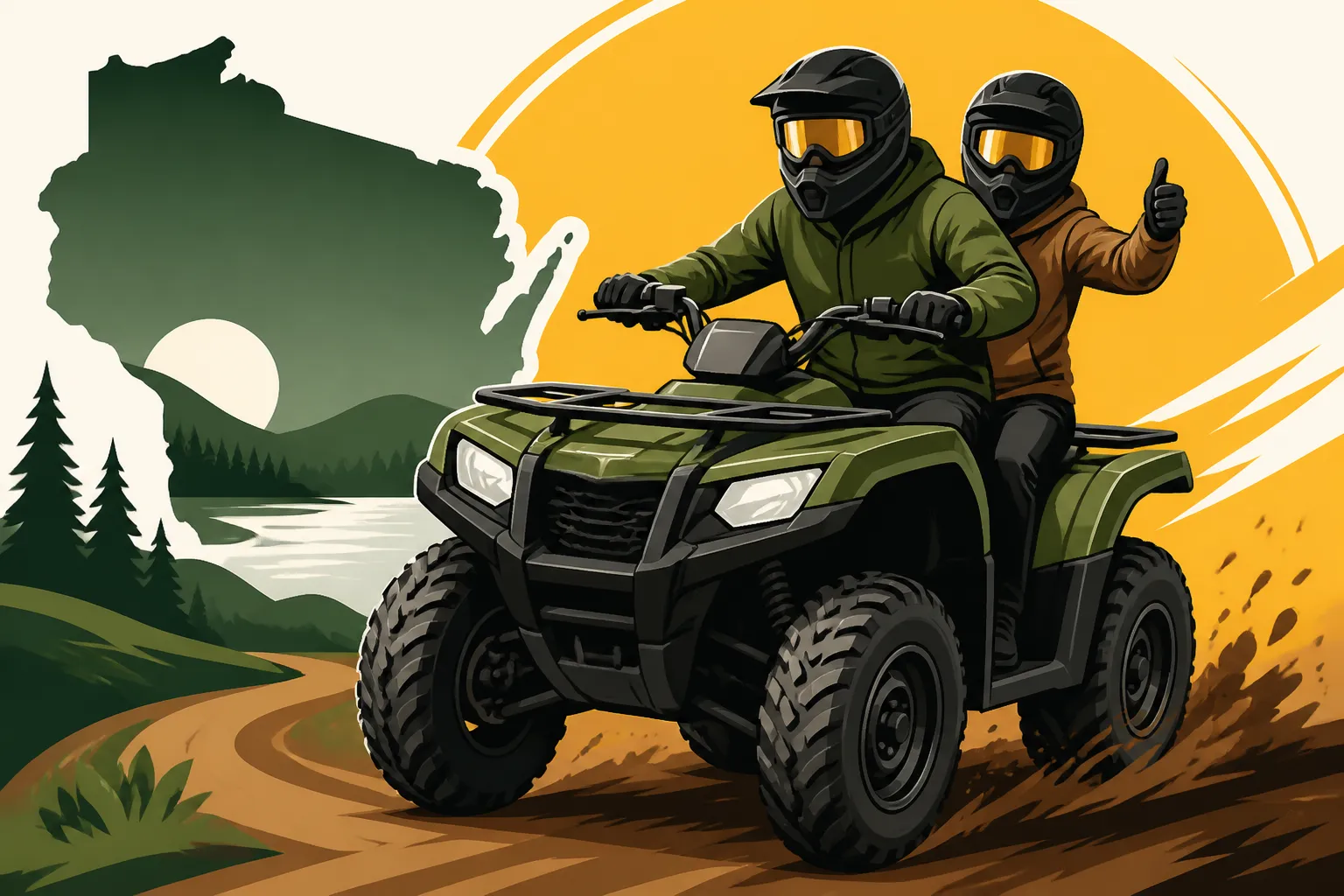
It happens all the time. You’re out on the trails, maybe you just bought a new machine, or a buddy shows up without their quad, and the thought pops into your head: "Can't we just squeeze two people on this thing for a quick spin?" It feels innocent enough, maybe even practical. But that single-seat ATV wasn't built for two, and attempting to double up can quickly turn a fun outing into a dangerous, expensive, and even illegal situation here in Wisconsin. This guide is here to walk you through exactly why riding two up on a single-seat quad is a risk not worth taking, what the law says, and the safer, smarter ways to share the trail with your riding companions.
The Allure of "Two Up" Riding and Why It's a Bad Idea
We've all been there, standing next to a perfectly good single-seat ATV with a friend or family member, and the idea of a shared ride seems so simple. Perhaps you’re just going a short distance to check out a new trail segment, or maybe you want to give a child a quick, memorable experience. The machine looks like it could handle it, the seat seems just long enough, and the convenience is undeniable. You might rationalize it, thinking, "We'll be extra careful," or "It's only for a minute." This immediate appeal is powerful, often overshadowing the very real and immediate dangers that come with overloading a machine designed for one.
The Immediate Appeal and Ignored Risks
The temptation to hop on a single-seat quad with a passenger often stems from a combination of convenience, excitement, and sometimes, a bit of ignorance regarding the machine's design limitations. You might be at a remote cabin up north, surrounded by beautiful [Wisconsin Trails That Reach a Lake] or [Wisconsin Trails That Reach a Tavern], and you want to share that experience with someone right then and there. It feels like a quick fix to a logistical problem, a way to include everyone in the fun. However, the design of a single-seat ATV is meticulously calibrated for a single operator. Every aspect, from the suspension and braking to the center of gravity and steering, is engineered with one person's weight and control in mind. Adding a second person fundamentally alters these dynamics, turning a stable machine into an unpredictable one. The rider's ability to shift their weight, crucial for navigating turns and bumps, is severely compromised. Braking distances increase, and the entire vehicle becomes much more prone to tipping or losing control, even at low speeds.
Wisconsin's Clear Stance on Passengers
Here in Wisconsin, the law is refreshingly unambiguous when it comes to passengers on ATVs. You cannot legally carry a passenger on an ATV unless that machine was specifically designed by the manufacturer for multiple riders. This isn't a vague guideline; it's a hard and fast rule. The Wisconsin Department of Natural Resources (DNR) takes ATV safety very seriously, and these regulations are in place to prevent serious injuries and fatalities. An ATV designed for a single operator will not have a designated passenger seat, nor will it have proper handholds or footrests for a second person. These are critical safety features that differentiate a multi-rider machine from a single-rider one. Trying to make do with improvised seating or by simply having someone stand on the footpegs is not only against the law but incredibly dangerous, leaving both the operator and the passenger vulnerable to severe injury.
Understanding Your Machine: Single-Seat vs. Designed for Passengers
To truly grasp why riding two-up on a single-seat quad is ill-advised, it’s essential to understand the fundamental differences in how ATVs are designed. Manufacturers don't arbitrarily decide on "single-seat" or "multi-seat" designations; these choices reflect specific engineering for safety, stability, and handling characteristics.
What Defines a Single-Seat ATV
A single-seat ATV, often referred to simply as a quad, is precisely what it sounds like: a machine built to be operated by one person. Look closely at any standard utility or sport ATV, and you'll notice key features. The seat, while often comfortable, is typically sized for one adult. There might be a small cargo rack at the rear, but it's not designed or reinforced for human weight. More importantly, you won't find dedicated passenger handholds or separate, secure footrests or footwells for a second person. The footpegs are positioned for the operator to maintain control and leverage. The overall wheelbase, suspension tuning, and weight distribution are all optimized for a single rider's input and weight. When you attempt to add a second person, even if they are smaller or lighter, you instantly compromise this carefully balanced design. The additional weight shifts the center of gravity rearward and upward, making the machine less stable, especially during turns, climbs, or descents. This can lead to unexpected wheelies, rollovers, and a significant reduction in the rider's ability to maneuver safely.
ATVs and UTVs Designed for Passengers
In contrast, an ATV explicitly designed for two riders, often marketed as a "2-Up" or "Touring" model, will have distinct features that clearly differentiate it. These machines boast an extended seat that provides ample room and support for both the operator and the passenger. Crucially, they include dedicated passenger handholds, often integrated into the rear rack or seat itself, allowing the passenger to maintain a secure grip. Separate, ergonomically placed footrests or footwells ensure the passenger's feet are protected and stable, preventing them from interfering with the operator's control or dragging on the ground. These ATVs also feature a longer wheelbase and heavier-duty suspension components, specifically engineered to safely accommodate the added weight and altered weight distribution of a second person.
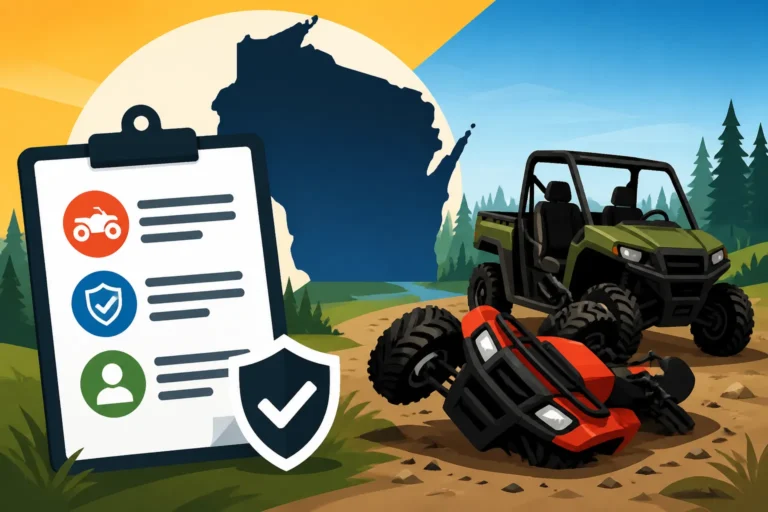
Beyond 2-Up ATVs, side-by-sides (UTVs) are purpose-built for multiple occupants and offer an even higher level of safety and comfort for passengers. With bucket seats or bench seating, seatbelts, roll cages, and often more stable footprints, UTVs are ideal for sharing the off-road experience. Understanding these design differences is paramount. It’s not about how you feel you can manage; it’s about how the machine was built to perform safely. If you’re truly looking to bring a companion along for the ride, investing in a machine specifically designed for that purpose, whether it's a 2-Up ATV or a UTV, is the only responsible and legal choice. [Why UTVs Are Treated Differently on Routes] offers more insight into how these multi-passenger machines are viewed and regulated.
The Real-World Consequences of Breaking the Rule
Ignoring Wisconsin's clear rules about carrying passengers on single-seat ATVs isn't just about bending a minor regulation; it has severe, real-world consequences that can impact your safety, your finances, and your ability to enjoy future rides. It's a risk that far outweighs any perceived convenience.
Safety Hazards for Rider and Passenger
The most immediate and terrifying consequence of riding two-up on a single-seat quad is the dramatic increase in safety hazards. Think about the physics involved. An ATV's center of gravity is carefully calculated for a single rider. When you add a passenger, especially an adult, this center shifts significantly. The machine becomes top-heavy, making it far more prone to rollovers, particularly on uneven terrain, during turns, or when climbing or descending hills common on [Wisconsin Trails That Suit a 50-Inch Machine]. The rider's ability to steer and control the machine is severely compromised, as they can't shift their weight effectively to counteract forces. Braking distances increase because of the added mass, and the ATV’s suspension, designed for a single load, can bottom out, leading to unpredictable handling and potential damage to the machine.
Imagine a sudden bump on a trail near [Black River State Forest ATV Riding]. With two people on a single-seat quad, the chance of one or both riders being ejected from the machine skyrockets. Ejections can lead to broken bones, head trauma, and internal injuries. The passenger, lacking proper handholds and footrests, is particularly vulnerable. They might slip off, their feet could get caught under the machine, or they could be thrown into objects along the trail. The consequences can be catastrophic, turning a leisurely ride into a life-altering emergency.
Legal Repercussions in Wisconsin
Beyond the physical dangers, riding two-up on a single-seat ATV in Wisconsin carries significant legal penalties. DNR wardens and local law enforcement officers regularly patrol trails, road routes, and public lands, and they are well-versed in these regulations. If you're caught, you can expect a citation and a fine. These aren't minor parking tickets; [Wisconsin ATV Ticket Amounts] can be substantial, and the incident will go on your record.
In some cases, especially if reckless behavior is observed or if an accident occurs, you might even face more severe charges, including reckless endangerment or negligent operation. Your machine could potentially be impounded, leaving you stranded and adding considerable expense and hassle to retrieve it. This enforcement isn't about collecting revenue; it's about protecting riders. Wardens understand the dangers inherent in these violations and act to prevent serious injury. A conviction could also lead to [Losing Wisconsin Riding Privileges] for a period, meaning you wouldn't be able to enjoy the beautiful [Chequamegon-Nicolet and Its Motorized Trail Systems] or other riding opportunities.
Insurance Nightmares
Perhaps one of the most overlooked but financially devastating consequences is the impact on your insurance coverage. Most ATV insurance policies are written with the understanding that you are operating the machine within legal parameters and as intended by the manufacturer. If you are involved in an accident while illegally carrying a passenger on a single-seat ATV, your insurance company could deny your claim.
This means that any medical bills for yourself or your passenger, damage to your ATV, or liability for damage to other property or persons could fall entirely on your shoulders. Medical costs for serious injuries can quickly soar into the tens or even hundreds of thousands of dollars. Imagine being personally liable for a passenger's extensive injuries simply because you wanted to give them a "quick ride." [Wisconsin ATV Insurance Cost] can vary, but the protection it offers is invaluable, and losing that protection due to a preventable violation is a nightmare scenario. Furthermore, your standard [Does a Homeowners Policy Cover a Wisconsin Quad?] question usually comes back with a "no" for off-road incidents, and it certainly won't cover illegal operation. It's a gamble with incredibly high stakes.
Safer Alternatives for Riding With a Companion
The desire to share the thrill of ATV riding with friends and family is completely understandable. The good news is that there are safe, legal, and equally enjoyable ways to do it, without compromising anyone's safety or risking legal trouble. These alternatives allow you to experience the beauty of Wisconsin's trails together, as intended.
Investing in a Two-Up ATV
If riding with a passenger is a priority, the most direct and responsible solution is to invest in an ATV specifically designed for two riders. These "2-Up" or "Touring" models are engineered from the ground up to safely accommodate an operator and a passenger. They feature longer, more comfortable seats, dedicated passenger handholds (often integrated into the rear rack), and separate footrests or footwells that ensure your passenger is secure and comfortable. The suspension is typically more robust, and the wheelbase is extended to provide enhanced stability with the added weight.
Purchasing a 2-Up ATV ensures you're riding legally and safely, allowing both you and your companion to fully enjoy the experience without the constant worry of an accident or a citation. Many major manufacturers offer excellent 2-Up models, providing plenty of choices in terms of power, features, and comfort. While the initial investment might be higher than a single-seat model, the peace of mind and enhanced safety are truly priceless when you're exploring [Vilas County Trails and the Towns They Link] with a loved one. When you're considering a new machine, asking dealers about these multi-passenger options is a great first step.
Opting for a Side-by-Side (UTV)
For those who frequently ride with one or more passengers, a side-by-side (UTV) is an exceptional choice. UTVs are designed from the factory to carry multiple occupants, typically with bucket seats or bench seating for two, three, four, or even six people. They come equipped with essential safety features like seatbelts, doors or nets, and robust roll cages, offering a significantly higher level of protection than an ATV. UTVs also provide a more car-like experience, with steering wheels and foot pedals, making them comfortable for longer rides and easier for some operators to handle.
Their wider stance and lower center of gravity contribute to superior stability, especially important when navigating diverse terrains, from the [Sandy and Rocky Terrain in Wisconsin] to the more challenging sections of the [Jackson County Forest Trail Network]. Many UTVs also offer ample cargo space, making them practical for hauling gear for a picnic or even for [Hauling Feed by Machine on a Town Road]. If your goal is to comfortably and safely share the off-road experience with multiple people, a UTV is arguably the best solution, offering unparalleled passenger safety and enjoyment. You might even find [Buying Your First Side-by-Side in Wisconsin] a rewarding experience.
Riding Separately (The Safest Option for Two Single-Seaters)
Sometimes, the simplest solution is the best. If you and your riding companion each have your own single-seat ATV, or if you can rent an additional machine, riding separately is the safest, most legal, and often most enjoyable option. There's a unique camaraderie that comes with riding in a group, even if everyone is on their own machine. You can still experience the trails together, stop for breaks, chat, and navigate as a team.
Riding separately allows each operator to maintain full control of their machine, leveraging its designed capabilities and weight distribution. It eliminates the risks associated with overloading, compromised handling, and the potential for legal repercussions. Plus, it gives everyone the full experience of operating their own ATV. It’s a great way to bond over a shared passion for off-road adventure, whether you're taking on the challenges of [Clark County's 135 Miles] or simply enjoying a scenic tour through the [Bayfield County's Northwoods Trails]. There's no need to compromise on safety when the joy of riding can be shared responsibly by everyone on their own dedicated machine.
Specific Considerations for Youth Passengers
When it comes to youth passengers on ATVs, Wisconsin has even stricter rules, recognizing the increased vulnerability of younger riders. The emotional pull to share the fun with a child is strong, but their safety and legal compliance must always come first.
Wisconsin's Rules on Child Passengers
Wisconsin law is very clear: children under the age of 16 are generally prohibited from being passengers on an ATV. The rationale here is simple – a child's smaller stature, limited ability to brace themselves, and lack of understanding of the dynamics of off-road riding make them exceptionally vulnerable in a passenger position. Even on machines designed for two-up riding, there are specific guidelines about child passengers. For example, some two-up ATVs might still not be suitable for very young children due to the size of the seat, handholds, and footrests. The law also places a strong emphasis on supervision and age-appropriate machines for youth operators, which further underscores the need for extreme caution when a child is involved. Always check the latest [Wisconsin Rules for a Child Passenger] to ensure you are fully compliant and, more importantly, keeping your young ones safe. The risks of them falling off or being seriously injured are too high to take lightly.
The Importance of Proper Gear
No matter the age of the rider or passenger, proper safety gear is non-negotiable, but it's especially critical for children. A DOT-approved helmet is the absolute minimum requirement, and in Wisconsin, it's legally mandated for all riders and passengers under the age of 18. This isn't just a suggestion; it's a rule designed to protect against severe head injuries, which are tragically common in ATV accidents. Beyond helmets, eye protection (like goggles), sturdy over-the-ankle boots, long pants, and long-sleeved shirts are essential to protect against debris, branches, and abrasions in the event of a fall.
For children, ensuring their gear fits properly is paramount. An ill-fitting helmet or oversized boots can compromise their safety even further. While it might seem like a hassle to outfit a child completely for a short ride, it's a non-negotiable step. Riding gear acts as the first line of defense, mitigating injuries that can occur even in seemingly minor incidents. Always remember, the trails can be unpredictable, and protecting your child should be your absolute top priority. You can find more information on specific requirements in [Wisconsin Helmet Rules for Riders Under 18].
Passenger Capacity and Safety Features: A Comparison
To help clarify the differences and underscore the importance of choosing the right machine, here's a quick comparison of single-seat ATVs, 2-Up ATVs, and UTVs.
| Feature | Single-Seat ATV | 2-Up ATV (Designed for Passengers) | UTV (Side-by-Side) |
|---|---|---|---|
| Passenger Capacity | 1 (Operator Only) | 2 (Operator + 1 Passenger) | 2, 3, 4, or 6 (Operator + Passengers) |
| Seat Design | Compact, single-person seat | Extended, tandem seat | Bucket seats or bench seating |
| Footrests/Footpegs | Operator footpegs only | Separate passenger footrests/wells | Floorboards for all occupants |
| Handholds | Operator handlebars only | Dedicated passenger handholds | Grab bars or steering wheel |
| Stability (Loaded) | Compromised with passenger | Engineered for 2 riders | High stability for multiple riders |
| Suspension | Tuned for single operator | Heavy-duty, tuned for 2 riders | Robust, tuned for multiple riders |
| Steering | Handlebars | Handlebars | Steering wheel |
| Safety Devices | None beyond operator's control | None beyond operator's control | Seatbelts, roll cage, doors/nets |
| Legal Status | Illegal to carry passenger | Legal to carry 1 passenger | Legal to carry multiple passengers |
This table clearly illustrates why attempting to carry a passenger on a single-seat ATV is fundamentally unsafe and against regulations. Each type of machine is built with a specific purpose and passenger capacity in mind, and deviating from that design intent introduces unnecessary risks.
Disclaimer
This article is for general informational purposes only and does not constitute professional advice. Laws, prices and regulations vary by location and change over time. Consult a qualified professional for guidance on your specific situation.