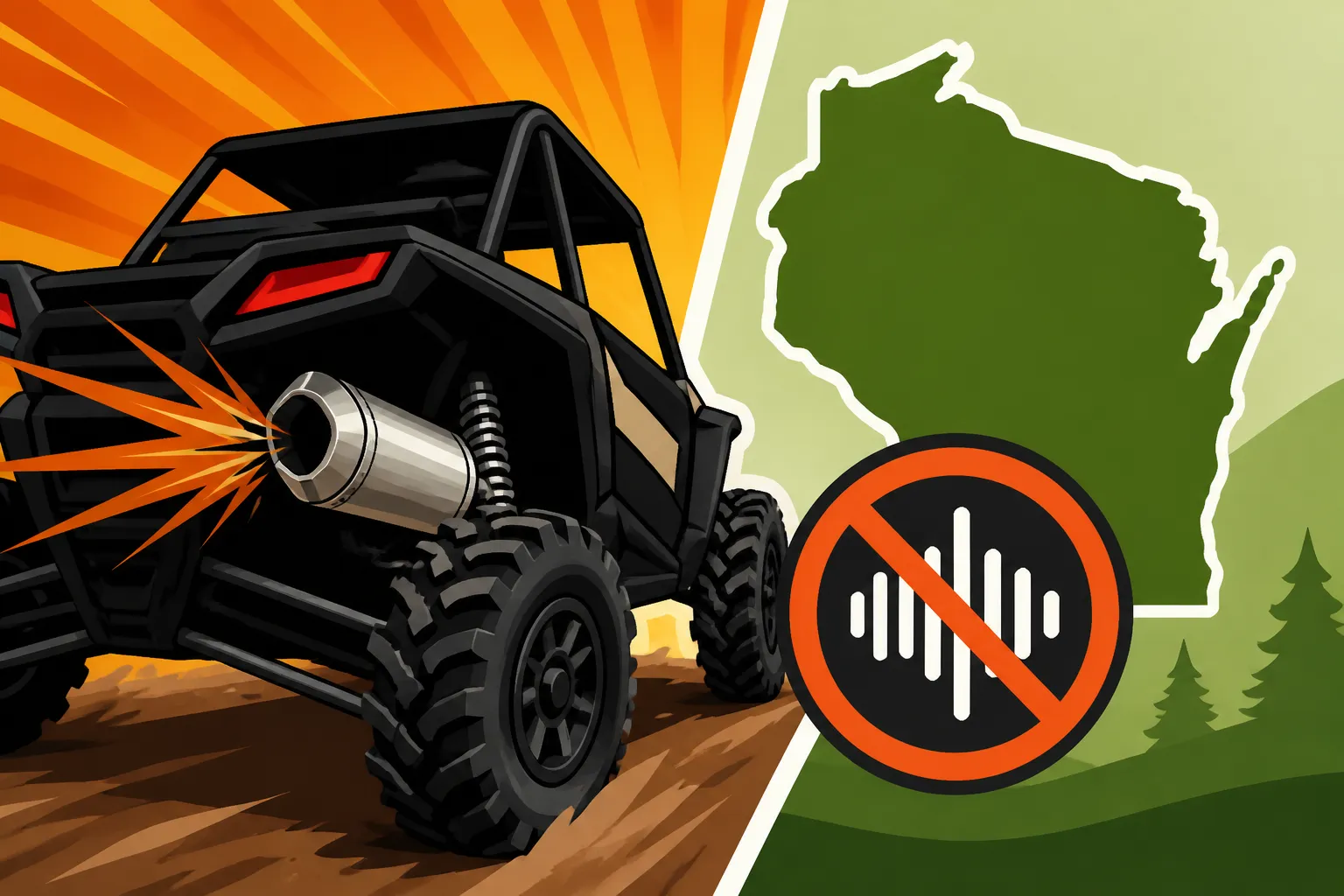
Aftermarket Exhaust and the Wisconsin Sound Limit
Navigating the world of ATV and UTV ownership in Wisconsin comes with its own set of rules and regulations, and one of the most frequently misunderstood is the sound limit. Many riders dream of upgrading their machine's exhaust system for more power or a more aggressive growl, only to find themselves scratching their heads over whether their new pipes will land them in hot water with local authorities or trail wardens. This guide aims to demystify Wisconsin's sound limits for off-road vehicles and help you understand how aftermarket exhaust systems fit into the picture, ensuring your rides are as thrilling as they are legal.
Understanding Wisconsin's ATV and UTV Sound Limit
Wisconsin takes noise pollution from off-road vehicles seriously, and for good reason. Excessive noise can disrupt wildlife, annoy property owners near trails, and ultimately lead to stricter regulations that impact all riders. To maintain a balance between enjoyable riding and community peace, specific sound limits have been put in place.
The Specific 96-Decibel Limit and Measurement
The core of Wisconsin's sound regulation for ATVs and UTVs is a specific limit: 96 decibels (dB). This isn't just a random number; it's a standard established to minimize disturbance while still allowing for the inherent sounds of off-road engines. This limit applies to all ATVs and UTVs operating on public lands, trails, and designated road routes throughout the state.
The measurement of this limit is crucial. It's typically taken using a sound meter held 20 inches from the exhaust outlet, at a 45-degree angle to the exhaust flow, with the engine at a specific RPM (usually half of the maximum rated engine speed, or a standard 3,500 RPM for machines without a defined maximum). This standardized testing procedure ensures consistency and fairness in enforcement. For riders, understanding [The 96-Decibel Sound Test in Wisconsin] can be incredibly helpful, even if you're just doing a quick check with a decibel meter app on your phone. It gives you a benchmark for what wardens might be listening for.
Why the Sound Limit Exists
The reasons behind the 96-decibel limit are multi-faceted and rooted in environmental protection, public safety, and community relations. Firstly, loud machines contribute to noise pollution, which can disturb local residents living near popular trail systems. Imagine enjoying a peaceful weekend at a cabin up north, only to have it constantly interrupted by excessively loud engines. These [Noise Complaints From Lake Neighbors Up North] are a real concern and often fuel calls for stricter enforcement or even trail closures.
Secondly, wildlife can be negatively impacted by excessive noise. It can disrupt mating patterns, feeding habits, and natural behaviors, especially in sensitive ecological areas. Lastly, the sound limit is about maintaining the long-term sustainability of the sport. If riders consistently disregard noise regulations, it creates a negative public perception of ATV and UTV enthusiasts, making it harder to establish new trails or maintain existing ones. It's about being good neighbors and responsible recreationalists.
What the Law Requires Beyond Decibels
Beyond the 96-decibel cap, Wisconsin law also mandates specific equipment on your exhaust system. Every ATV and UTV operating on public land must be equipped with a muffler and a spark arrester.
- Mufflers: A muffler is designed to reduce the sound level of the engine's exhaust. It's not enough to simply have a muffler; it must be an effective one that keeps your machine within the 96-dB limit.
- Spark Arresters: This is a critical safety device designed to prevent hot carbon particles (sparks) from exiting the exhaust system. These sparks can easily ignite dry grass, leaves, or forest debris, leading to devastating wildfires. Wisconsin's law is clear: a spark arrester must be U.S. Forest Service (USFS) approved. This usually means it will have a stamp or tag indicating its compliance. Neglecting to have a functioning, approved spark arrester isn't just an equipment violation; it's a significant fire hazard. You can learn more about [Spark Arrester Rules on Wisconsin Public Land] to ensure your machine is up to snuff.
The combination of the decibel limit, proper mufflers, and USFS-approved spark arresters forms the cornerstone of Wisconsin's exhaust regulations.
The Allure and Reality of Aftermarket Exhausts
For many riders, the stock exhaust system is just a starting point. The aftermarket industry offers a vast array of options, promising everything from increased horsepower to a more aggressive sound. However, this appeal often clashes with the reality of Wisconsin's sound limits.
Why Riders Upgrade Their Exhaust System
There are several compelling reasons why riders consider swapping out their factory exhaust for an aftermarket alternative:
- Performance Gains: Many aftermarket systems are designed with better flow characteristics, which can translate to a noticeable increase in horsepower and torque, especially when combined with other engine modifications. Riders looking for that extra edge on the trails or for competitive riding often look to brands like SuperATV for performance parts.
- Enhanced Sound: Let's be honest, many riders simply prefer a louder, deeper, or more aggressive exhaust note. The stock exhaust on some machines can sound a bit muted, and an aftermarket system can give the ATV or UTV a more commanding presence. It's a matter of personal preference and often part of customizing the machine to reflect the rider's style.
- Weight Reduction: Some aftermarket systems are significantly lighter than their stock counterparts, which can contribute to a better power-to-weight ratio and improved handling.
- Aesthetics: Beyond performance and sound, a shiny new exhaust system can dramatically change the look of a machine, giving it a more customized and aggressive appearance.
Common Pitfalls of Non-Compliant Systems
While the benefits of aftermarket exhausts can be tempting, the reality is that many popular systems are not designed with strict sound limits like Wisconsin's 96 dB rule in mind. Here's where riders often run into trouble:
- Exceeding the Decibel Limit: This is the most common issue. Many performance-oriented exhausts are simply too loud for public trail use in Wisconsin. Manufacturers might label them as "race-only" or "closed-course competition" systems, which is a clear indicator that they are unlikely to meet public land noise restrictions. Even seemingly minor modifications, like removing baffles or packing from a muffler, can push a system over the legal limit.
- Lack of Spark Arresters: Some aftermarket exhausts, particularly those designed for racing, do not come equipped with a USFS-approved spark arrester. As discussed, this is a non-negotiable requirement for riding on public lands in Wisconsin and poses a serious fire risk.
- "Universal" Systems: Be wary of generic "universal fit" exhausts or those advertised as "muffler deletes." These are almost guaranteed to be non-compliant and can lead to immediate citations if encountered by a warden.
The temptation to have a louder, more powerful machine is strong, but the consequences of a non-compliant system can quickly outweigh the perceived benefits.
Spark Arresters: A Non-Negotiable Component
We touched on this earlier, but it's worth reiterating: a USFS-approved spark arrester is an absolute must-have for any ATV or UTV operating on public land in Wisconsin. This isn't just about avoiding a ticket; it's about preventing wildfires that can destroy vast tracts of forest, threaten homes, and endanger lives.
Many aftermarket exhaust systems do come with integrated spark arresters, but it's crucial to verify that they are indeed USFS-approved. Look for the specific stamp or label on the exhaust itself. If you're unsure, ask the manufacturer or a knowledgeable dealer. Attempting to modify a non-approved system to "add" a spark arrester yourself is often ineffective and rarely meets the strict standards required. Always prioritize fire safety and legal compliance, even if it means sacrificing a tiny bit of perceived performance or sound.
Navigating Aftermarket Choices for Wisconsin Compliance
So, how do you get that aftermarket edge without breaking Wisconsin law? It requires careful research and making informed choices. It's not impossible to upgrade your exhaust and stay compliant, but it demands diligence.
How to Shop Smart for a Compliant System
When you're looking to replace your exhaust, don't just go for the loudest or cheapest option. Here's how to shop smart:
- Look for "USFS Approved" and "Sound Compliant" Labels: The best starting point is to seek out exhaust systems that explicitly state they are USFS-approved and meet specific decibel limits, ideally the 96 dB standard for states like Wisconsin. Some manufacturers, including popular brands, produce specific models designed to meet these criteria. They might be labeled as "trail legal" or "quiet core" systems.
- Consult the Manufacturer's Specifications: Always check the manufacturer's website or product documentation for sound output data. If they don't provide it, or if they label it as "race use only," proceed with extreme caution. A reputable manufacturer that designs compliant systems will proudly advertise their adherence to these standards.
- Read Reviews and Forums (with a grain of salt): Other riders' experiences can be helpful, but remember that what's legal in one state might not be in Wisconsin. Also, what one rider considers "quiet" might still be over 96 dB. Use these as a guide, but prioritize official specifications.
- Ask Your Dealer: A knowledgeable Wisconsin ATV/UTV dealer should be familiar with local regulations and can guide you towards compliant aftermarket options. They might even be able to install it for you and ensure it meets requirements.
- Consider a "Quiet Core" or Baffle Insert: Some performance exhausts offer optional "quiet core" inserts or removable baffles that can significantly reduce sound output, potentially bringing a louder system down to a legal level. This offers flexibility, allowing you to run a louder setup on private land (where permitted) and a compliant one on public trails.
Testing Your Machine's Sound Output
Once you've installed an aftermarket exhaust, or even if you're just curious about your stock system, it's wise to test its sound output. While an official "96-Decibel Sound Test in Wisconsin" performed by a warden will use calibrated equipment, you can get a good estimate yourself.
- Decibel Meter Apps: Many smartphone apps can turn your phone into a rudimentary decibel meter. While not perfectly accurate for official measurements, they can give you a ballpark idea. Stand 20 inches from the exhaust, at a 45-degree angle, and rev your engine to approximately half its maximum RPM. If the app consistently shows readings over 90-92 dB, you're likely pushing the limit or exceeding it.
- Analog Decibel Meters: For a more accurate personal check, you can purchase a dedicated analog decibel meter. These are more reliable than phone apps and can give you a better sense of where your machine stands.
- Listen to Others: Pay attention to how your machine sounds compared to other stock ATVs or UTVs on the trail. If yours stands out as significantly louder, it's a red flag.
The goal isn't to become a certified sound engineer, but to be proactive and ensure you're not inadvertently violating the law.
Consequences of Non-Compliance
Ignoring Wisconsin's sound limits and spark arrester requirements can lead to some significant headaches and financial penalties. [Warden Enforcement on Wisconsin Routes] is a real thing, and wardens are equipped to measure sound levels on the spot.
- Fines: The most immediate consequence is a fine. Operating a machine with an illegal exhaust or without a spark arrester can result in a costly citation. These fines are often substantial, making that "cool" sounding exhaust suddenly much less appealing. While specific amounts vary, it's safe to say it's more than the cost of a compliant system.
- Mandatory Equipment Repair/Replacement: In some cases, a warden might order you to immediately cease riding until the non-compliant exhaust system is replaced or repaired to meet legal standards. This can mean being stranded on the trail or having your machine towed, adding further costs and inconvenience.
- Loss of Riding Privileges: Repeated offenses or severe violations can lead to suspension of your ATV/UTV riding privileges in Wisconsin. Losing your ability to enjoy the trails you love is a serious consequence. You can find more details on potential penalties, including general offenses, by looking at topics like [Fines for Riding Wisconsin Unregistered] or [Losing Wisconsin Riding Privileges].
- Damage to Public Perception: Every time an overly loud machine rumbles through a small town or near someone's property, it reinforces negative stereotypes about riders. This can lead to increased complaints, stricter ordinances, and even calls for trail closures. By being compliant, you help preserve access for everyone.
It's far better to invest in a compliant system upfront than to deal with the stress and expense of a citation and potential further penalties.
Maintaining Compliance and Avoiding Headaches
Ensuring your aftermarket exhaust remains compliant isn't just a one-time check after installation. It's an ongoing commitment to responsible riding.
Regular Inspections and Maintenance
Even compliant exhausts can become non-compliant over time if not properly maintained.
- Exhaust Packing: Many aftermarket mufflers use fiberglass packing to absorb sound. Over time, this packing can degrade, burn out, or shift, leading to an increase in sound output. If your exhaust seems louder than it used to be, it might be time to repack your muffler. This is a common maintenance item for some performance exhausts.
- Loose Connections and Leaks: Vibrations from riding can cause bolts to loosen or gaskets to wear out, leading to exhaust leaks. These leaks not only create louder, harsher sounds but can also affect engine performance. Periodically check all connections and look for signs of exhaust soot around joints, which indicate a leak.
- Spark Arrester Condition: Regularly inspect your spark arrester to ensure it's free of carbon buildup and hasn't been damaged. A clogged spark arrester can restrict exhaust flow, leading to performance issues and potentially increasing temperatures. A damaged one may not effectively prevent sparks.
A little preventative maintenance can go a long way in keeping your machine legal and running smoothly.
The Impact of Local Ordinances
While the 96-decibel limit is a statewide standard, it's crucial to remember that local municipalities can sometimes impose their own, stricter rules. [Municipal Ordinances Wisconsin Riders Must Read] can vary from town to town, especially concerning hours of operation, specific routes, and sometimes even additional noise restrictions in certain areas.
Always check the local ordinances for the specific area you plan to ride, especially if you're venturing into a new trail system or a town that has opened its roads to ATVs. What's legal on one county forest trail might have different nuances when you ride into the adjacent town for gas or food. These local rules are typically posted at trailheads or on county and town websites.
Being a Good Steward of the Sport
Ultimately, operating your ATV or UTV with a compliant exhaust system is about more than just avoiding a fine; it's about being a good steward of the sport. The future of ATV and UTV riding in Wisconsin depends on responsible behavior from all riders. Excessive noise creates friction with non-riders, which can lead to:
- Reduced Access: Public pressure from noise complaints can result in trail closures or limitations on riding areas.
- Negative Public Image: When the public consistently associates ATVs/UTVs with loud noise and disturbance, it makes it harder to advocate for rider rights and expansion of opportunities.
- Increased Regulations: A lack of self-regulation often leads to more stringent laws and enforcement efforts, impacting everyone.
By choosing and maintaining a compliant exhaust, you're contributing to a positive image for the entire riding community, ensuring that the beautiful trails and routes of Wisconsin remain open and enjoyable for generations to come.
| Characteristic | Compliant Aftermarket Exhaust | Non-Compliant Aftermarket Exhaust |
|---|---|---|
| Sound Output | Generally at or below 96 dB (Wisconsin standard) | Often significantly above 96 dB |
| Spark Arrester | USFS-approved (usually stamped/labeled) | May lack a spark arrester or have a non-approved one |
| Legal Status | Legal for public trails/routes in Wisconsin | Illegal for public trails/routes in Wisconsin |
| Common Labeling | "Trail Legal," "Quiet Core," "Sound Compliant" | "Race Use Only," "Competition," "Off-Road Only" |
| Risk of Citation | Low (if properly maintained) | High (if used on public land) |
| Impact on Community | Minimal noise impact, positive public perception | Contributes to noise pollution, negative public perception |
| Maintenance | May require periodic repacking/checking | Often requires no specific sound-related maintenance (because legality isn't a design priority) |
Disclaimer
This article is for general informational purposes only and does not constitute professional advice. Laws, prices and regulations vary by location and change over time. Consult a qualified professional for guidance on your specific situation.