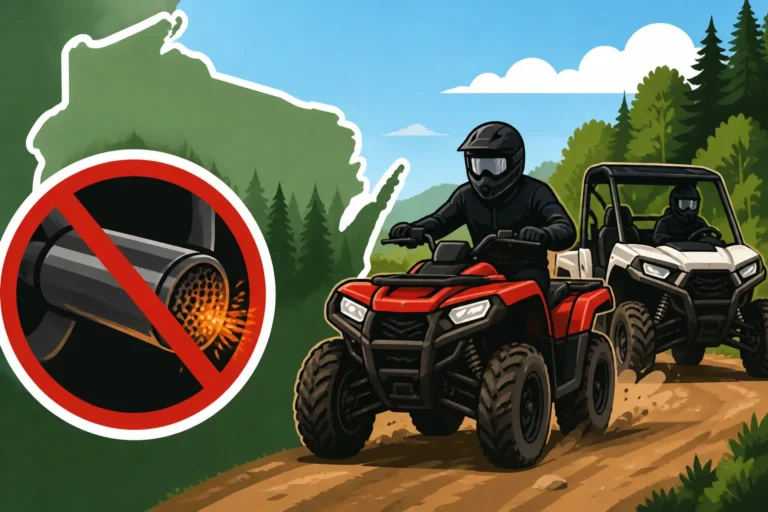
Mufflers and Spark Arresters in Wisconsin
Anyone who's spent a glorious day out on the trails or exploring a new ATV route in Wisconsin knows the pure joy of it. But sometimes, that joy comes with a little frustration, especially when you're thinking about upgrading your machine or just trying to understand the rules. One common sticking point is what you can and can't do with your ATV or UTV's exhaust system, particularly regarding mufflers and spark arresters. It's a topic that can feel a bit murky, leaving you wondering if that aftermarket pipe will cause trouble or if your machine is even legal. This guide is here to clear up all that confusion, helping you understand Wisconsin's specific requirements so you can ride with confidence and keep those Northwoods trails open for everyone.
Why Wisconsin Regulates Exhaust Systems on ATVs and UTVs
When you're out there, enjoying the roar of your engine and the thrill of the ride, it's easy to forget that your machine isn't just an extension of your fun; it's also a powerful piece of equipment that can impact the environment and other people. Wisconsin has a strong tradition of outdoor recreation, but with that comes a responsibility to protect our natural resources and ensure everyone can enjoy them safely and respectfully. This is where exhaust regulations come into play, specifically concerning mufflers and spark arresters.
Protecting the Peace and Quiet
Let's be real: ATVs and UTVs can be loud. And while some of us love that aggressive growl, not everyone shares that sentiment. Imagine you're staying at a quiet cabin up in Vilas County, hoping for a peaceful morning coffee on the porch, only to have a procession of ear-splitting machines rumble by your property. It's not exactly the serene Northwoods experience most people are seeking. Excessive noise can disrupt wildlife, annoy property owners, and even detract from the experience of hikers, bikers, and horseback riders sharing or adjacent to the trail systems. The goal of noise regulations isn't to silence your fun, but to find a balance that allows everyone to enjoy Wisconsin's beautiful outdoors without constant disruption. These rules are a big part of why many [Wisconsin Towns With Miles of Open Roads] set specific hours for ATV/UTV use, aiming to curb late-night noise that disturbs residents.
Preventing Wildfires and Protecting Our Forests
Beyond the noise, there's a critical safety aspect that often gets overlooked: fire prevention. Wisconsin's vast forests and wildlands are beautiful, but they're also susceptible to wildfires, especially during dry seasons. A tiny spark from an internal combustion engine can quickly turn into a devastating blaze, destroying habitats, threatening homes, and putting firefighters and communities at risk. This is where the spark arrester becomes a non-negotiable component. It acts as a safety net, catching incandescent particles before they can exit the exhaust system and ignite dry leaves, grass, or other flammable materials along the trail. It's a small device with a huge responsibility, safeguarding our precious natural landscapes from preventable fires.
Understanding Mufflers and Spark Arresters
To comply with Wisconsin's regulations, it's essential to know exactly what a muffler and a spark arrester are, and how they function on your ATV or UTV. These aren't just obscure parts; they are fundamental to safe and legal operation.
What Your Muffler Does
Think of your muffler as the unsung hero of your exhaust system, the component solely responsible for taming the raucous explosions happening inside your engine. When fuel and air ignite in the combustion chamber, they create powerful pressure waves that would, if left unchecked, exit the exhaust pipe as incredibly loud, sharp sounds. The muffler's job is to reduce that noise significantly. It does this through a series of chambers, baffles, and sometimes sound-absorbing materials that force the exhaust gases to travel a convoluted path. As the gases bounce around and expand, their energy dissipates, and the sound waves are cancelled out or greatly diminished before they exit into the air. Without a proper muffler, your machine would be ear-splittingly loud, not only annoying other trail users and residents but potentially causing hearing damage to yourself and your passengers.
It's common for riders to want a different "sound" from their machine, perhaps something more aggressive or throaty. This often leads to exploring aftermarket mufflers. While some aftermarket options can provide a distinct sound and even minor performance gains, the critical point for Wisconsin riders is that any replacement muffler must still meet the state's stringent noise limits. A shiny new pipe that sounds amazing but pushes your machine over the [The 96-Decibel Sound Test in Wisconsin] limit is just asking for a citation, and nobody wants that kind of trouble when they're trying to enjoy a weekend ride. So, while you might appreciate a deeper growl, remember that Wisconsin wardens are listening for decibel levels, not just the "cool factor."
The Unseen Work of a Spark Arrester
Now, let's talk about the spark arrester – a vital component that often goes unnoticed until you need it most. As we discussed, an engine's combustion process isn't always perfectly clean; it can produce tiny, glowing bits of carbon, often called "sparks." If these hot particles were allowed to exit your exhaust pipe directly, especially onto dry vegetation in our Wisconsin forests, they could easily ignite a fire. That's where the spark arrester comes in. It's essentially a screen or a series of baffles within the exhaust system, designed to trap or cool these hot carbon particles before they can escape. The exhaust gases pass through it, but any solid, incandescent material is either filtered out or cooled down sufficiently that it's no longer a fire hazard.
For this reason, spark arresters are not an optional accessory; they are a mandatory safety feature for any ATV or UTV operating on public lands or trails in Wisconsin. The U.S. Forest Service has specific standards for spark arresters, and Wisconsin generally aligns with these. Most factory-installed exhaust systems on ATVs and UTVs come equipped with an approved spark arrester. However, if you've installed an aftermarket exhaust, or if your machine is older, it's your responsibility to ensure that a functional, approved spark arrester is present. It’s also crucial to keep it clean, as carbon buildup can reduce its effectiveness and even restrict exhaust flow. This seemingly small part is truly critical to [Spark Arrester Rules on Wisconsin Public Land] and keeping our beautiful state safe from wildfires.
Wisconsin's Legal Requirements for ATV/UTV Exhaust
Wisconsin doesn't just suggest you have a muffler and spark arrester; it mandates them with specific performance standards. Failing to meet these requirements can lead to fines and an abrupt end to your ride.
The 96-Decibel Limit
This is the big one that many riders focus on, and for good reason. Wisconsin law states that no person shall operate an ATV or UTV equipped with an exhaust system that has been modified or altered from the manufacturer's design, or that has been modified to amplify or increase the noise emitted by the motor, so that the noise exceeds 96 decibels when measured in a specific manner. This is a critical rule for maintaining peace on our shared trails and near private properties.
The 96-decibel limit isn't just an arbitrary number; it's a measurable standard that wardens and enforcement officers can check. While they might not carry a decibel meter on every patrol, they are trained to identify machines that are clearly louder than stock. The spirit of the law is to prevent overtly noisy machines from disturbing the environment and other users. If your machine is significantly louder than it was from the factory, you're likely exceeding this limit. This means that many aftermarket exhaust systems, while they might offer a performance boost or a "cooler" sound, often push machines past this legal threshold. Before you invest in a new exhaust, it's wise to research whether it's designed to be compliant with these noise restrictions. Otherwise, you might find yourself facing the consequences of [Failing a Sound Test on a Wisconsin Trail].
Mandatory Spark Arresters
In addition to the noise limits, Wisconsin law specifically requires that every ATV and UTV operated on public lands or trails be equipped with a spark arrester that is in good working order and is approved by the U.S. Forest Service. This isn't just a suggestion; it's a crucial safety measure to prevent wildfires. The consequences of not having a spark arrester, or having one that is clogged or in disrepair, can be severe. Beyond the immediate fine, there's the much greater risk of starting a wildfire, which can have devastating environmental, economic, and personal impacts.
It's your responsibility as a rider to ensure your machine meets this standard. How do you check? First, most stock exhausts will have a small stamp or etching indicating that it's a USFS-approved spark arrester. If you have an aftermarket exhaust, you'll need to confirm that it specifically states it is USFS-approved. Companies like SuperATV, for example, often design their aftermarket systems to include spark arresters, but it's always critical to verify this information for your specific model before purchase. If you're unsure, consulting your owner's manual or contacting the manufacturer of your exhaust system is a good step. Regularly inspect your spark arrester for blockages, especially if you ride in dusty conditions, as carbon buildup can render it ineffective. Remember, keeping our forests safe is a shared responsibility, and a functional spark arrester is your contribution to that effort.
Aftermarket Exhaust Systems: Pros, Cons, and Compliance
The allure of an aftermarket exhaust system is strong for many riders. Whether it's the promise of more horsepower, a deeper sound, or simply a different aesthetic, upgrading your pipes is a popular modification. However, in Wisconsin, you need to approach this decision with a clear understanding of the law.
The Appeal of Upgrades
There are legitimate reasons why riders consider aftermarket exhaust systems. One of the primary draws is the potential for increased performance. By allowing exhaust gases to exit more efficiently, some systems can unlock a few extra horsepower or improve throttle response. For those who enjoy competitive riding or simply want every bit of power from their machine, this can be a significant motivator. Another big factor is the sound. Stock mufflers are designed to be relatively quiet, which, while compliant, might not offer the aggressive growl or distinctive tone that some riders prefer. An aftermarket exhaust can dramatically change the auditory character of your machine, making it sound more powerful or sporty. Finally, there's the aesthetic. Aftermarket pipes often feature different finishes, materials, and designs that can give your ATV or UTV a more customized, aggressive look.
However, it's crucial to remember that these benefits often come with a trade-off, especially regarding compliance with Wisconsin's strict regulations. Many performance-oriented aftermarket systems prioritize flow and sound over noise reduction, often pushing the decibel level well past the legal limit. This is a common dilemma for riders: how to achieve desired performance or sound without violating the law.
The Compliance Conundrum
Here's where the rubber meets the road: if you choose an aftermarket exhaust system, you are solely responsible for ensuring it complies with Wisconsin's 96-decibel limit and the USFS-approved spark arrester requirement. This can be a tricky path to navigate. Many aftermarket manufacturers clearly state whether their systems are "race use only" or "not for use on public lands," which is a big red flag for Wisconsin trail riders. Others might claim to be "trail friendly" or include a spark arrester, but still exceed the noise limit in real-world conditions.
Before making any purchase, do your homework. Look for clear indications from the manufacturer that the system meets USFS standards for spark arresting and ideally, provides sound testing data to show it falls under 96 decibels. Some reputable brands, including companies like SuperATV, offer exhaust components that are designed with compliance in mind, but it's always up to the buyer to verify for their specific machine and local regulations. A wise approach might be to choose systems that offer adjustable sound levels or removable inserts that can help bring the noise down to a compliant level. Remember, ignorance of the law is no excuse, and a warden's priority is enforcement, not sympathy for your expensive, non-compliant exhaust. This is particularly relevant when considering [Aftermarket Exhaust and the Wisconsin Sound Limit].
| Feature | Stock Exhaust System | Aftermarket Exhaust System (Typical) |
|---|---|---|
| Noise Level | Generally below 96 dB | Often above 96 dB (check manufacturer specs) |
| Spark Arrester | USFS-approved, factory installed | May or may not be USFS-approved (verify!) |
| Performance | Optimized for reliability and emissions | Potential for slight HP gain, improved flow |
| Sound | Muted, subtle | Louder, deeper, more aggressive |
| Cost | Included with machine | Additional expense, varies widely |
| Legality in WI | Compliant by default (if maintained) | Requires careful verification for compliance |
| Warranty Impact | No impact on powertrain warranty | May void certain aspects of manufacturer warranty |
Staying Compliant and Avoiding Fines
Nobody wants their riding day cut short by a warden or to receive a ticket that could have been avoided. Understanding how to check your machine and what enforcement looks like can save you a lot of grief.
What Wardens Look For
When a Wisconsin warden pulls you over on the trail or during a routine check, they're not just looking for registration stickers. They're also paying close attention to your machine's exhaust system. The first thing that might catch their ear, literally, is the sound. If your ATV or UTV is noticeably louder than other machines around it, or if it emits a sound that is clearly not factory stock, you've likely just put yourself on their radar. They are trained to identify excessive noise even without a decibel meter.
Beyond the audible clue, they'll often perform a visual inspection. They'll check for obvious modifications like missing baffles or removed spark arrester screens. Some will physically look for the USFS stamp on your exhaust. If your machine is missing a spark arrester, or if it's clearly been tampered with, that's an immediate red flag. They might also check if you have your [Keeping the Registration Card With the Machine] and a valid [Wisconsin's ATV Safety Certificate Requirement] if applicable. The goal is to ensure you're operating safely and legally, and a non-compliant exhaust system indicates a disregard for rules designed to protect our shared resources and the public. Ignorance is no defense; the responsibility is entirely on the operator.
Penalties for Non-Compliance
Operating an ATV or UTV in Wisconsin with a non-compliant exhaust system can lead to penalties that quickly outweigh the perceived benefits of an aftermarket pipe. The fines for violating exhaust noise limits or not having a proper spark arrester are not insignificant. They are designed to deter riders from operating illegally and contribute to the maintenance and enforcement efforts on our trails. Beyond the monetary cost, a citation can also mean an immediate end to your day's ride. A warden has the authority to issue an order prohibiting you from operating the machine until the violation is corrected. Imagine driving all the way up to Bayfield County for a weekend ride, only to have it cut short because your exhaust is too loud or lacks a spark arrester.
This situation becomes even more frustrating if you're riding with friends or family. It disrupts everyone's plans and can cast a shadow over what should have been an enjoyable outing. Furthermore, repeat offenses or particularly egregious violations could potentially lead to more severe consequences, including the suspension of your riding privileges. The message from the Wisconsin DNR is clear: compliance is mandatory. Don't let a desire for a "better" sound or a slight performance bump lead to an expensive ticket and a ruined day on the trails. It's far better to invest in a compliant system or maintain your stock exhaust to avoid facing [Wisconsin Penalties for Expired Decals] or, in this case, a noisy exhaust.
Ensuring Your Machine Meets Wisconsin Standards
Being proactive about your machine's exhaust system is the best way to avoid trouble and ensure you can enjoy Wisconsin's trails and routes legally and safely. A little maintenance and awareness go a long way.
Checking and Maintaining Your Exhaust System
Regularly inspecting your ATV or UTV's exhaust system should be part of your routine maintenance. For your muffler, listen for any new, louder sounds, rattles, or exhaust leaks. These can indicate damage or a loss of internal baffling, which will almost certainly push your machine over the 96-decibel limit. Check for any cracks in the pipe or muffler body, and ensure all connections are tight. A loose joint can also create additional noise.
The spark arrester needs particular attention. Periodically, you should remove and inspect it for carbon buildup. This black, sooty residue can clog the screen, restricting exhaust flow and making the arrester ineffective at catching sparks. Cleaning it is usually a straightforward process, often involving a wire brush or a scraper. Refer to your owner's manual for specific instructions on how to access and clean your spark arrester, as designs can vary. If the screen is damaged, torn, or missing, it needs to be replaced immediately. Many manufacturers offer replacement spark arrester screens or inserts that can be easily installed. This simple check and cleaning can prevent a fine and, more importantly, a potential wildfire.
Tips for Aftermarket Modifications
If you're still set on an aftermarket exhaust, proceed with caution and a commitment to compliance. First and foremost, verify that any system you're considering is specifically designed to meet or exceed USFS spark arrester requirements. This usually means it will have a stamp or label clearly indicating its approval. Secondly, research its noise output. Look for systems that claim to be "trail legal" or "sound compliant" and ideally, provide actual decibel readings. Some brands, like SuperATV, recognize the need for compliant accessories and will specify when their products meet certain regulations, but it's always the buyer's responsibility to double-check.
Consider installing an exhaust system that offers options for noise reduction, such as quiet inserts or adjustable baffles. These can allow you to customize the sound while still having the ability to comply with the 96-decibel limit when riding on public lands. After installation, it's not a bad idea to have your machine's noise level checked. While a professional sound test might be overkill for most, a reputable dealer or repair shop might be able to give you an idea of where your machine stands. Ultimately, the goal is to enhance your riding experience without running afoul of the law, ensuring you can keep enjoying our fantastic [Where to Ride an ATV in Wisconsin] trail systems for years to come.
Disclaimer
This article is for general informational purposes only and does not constitute professional advice. Laws, prices and regulations vary by location and change over time. Consult a qualified professional for guidance on your specific situation.