Town Roads Open to ATVs in Wisconsin
There’s nothing quite like the feeling of hitting the trails, miles from anywhere, but sometimes you just need to get into town for gas, a bite to eat, or a cold drink. The frustration many of us face is knowing which town roads are actually open to ATVs and UTVs. It’s a real head-scratcher, especially when the rules seem to change every few miles. This guide is here to untangle that web, helping you understand how Wisconsin’s town road system works and how you can safely and legally connect your ride to the amenities you need.
The Local Control Dilemma: Why Town Roads Are Different
You might think that once you're on a trail, the rules are pretty consistent, but when it comes to town roads, things get a little more complicated. Unlike the vast, interconnected state and county trail systems, town roads are often a patchwork of local decisions, and understanding this is the first step to riding legally.
It's Not a Free-for-All: Understanding Municipal Ordinances
One of the biggest differences you'll encounter when riding town roads compared to dedicated trails is that you're operating under municipal ordinances, not just state regulations. This means that while state laws provide a general framework, individual towns, villages, and cities have the power to create their own specific rules for ATV and UTV use on their roads. This can lead to a real mixed bag of regulations. One town might welcome ATVs with open arms, allowing them on most municipal roads, while the very next town over might have much tighter restrictions, perhaps only allowing access on specific connectors or during limited hours.
Imagine planning a fantastic ride through a couple of counties, thinking you can just zip into any small town you pass for lunch. Suddenly, you hit a town line, and the road that was perfectly legal to ride a moment ago is now off-limits, all because of a different local ordinance. It’s a common scenario that can really throw a wrench in your plans. These local rules can dictate everything from specific routes, hours of operation, and even speed limits. It’s why you can’t just assume that because you can ride on one town road, you can ride on all of them.
How a Wisconsin Town Votes in a Route
So, how do these roads become ATV-friendly in the first place? It's typically a very local process, driven by community interest and often championed by passionate riders and local ATV clubs. Usually, the journey begins when residents or a local ATV club petitions their town board to consider opening certain roads for ATV/UTV use. This isn't a quick process; it involves public hearings where community members can voice their support or concerns. Think about it – some residents might worry about noise, dust, or safety, while others see the economic benefits of drawing more riders to their community.
After all the input is gathered and discussed, the town board will eventually hold a vote on whether to adopt an ordinance designating specific roads as ATV routes. This entirely local decision-making is why you see so much variation across the state. A town board might approve one route to connect to a popular trail, but deny another that runs through a residential area. This process, while sometimes slow, allows communities to tailor ATV access to their unique needs and concerns. Understanding [How a Wisconsin Town Votes in a Route] helps you appreciate the local effort involved in creating these connections.
Route Signage Standards in Wisconsin
Once a town road is officially designated as an ATV/UTV route, it's not just a handshake agreement. Wisconsin has clear standards for signage to ensure that riders and other motorists know exactly where ATVs and UTVs are permitted. When you're out riding, keep your eyes peeled for those distinctive "ATV Route" signs. These aren't just suggestions; they are crucial markers that delineate legal riding areas and prevent accidental trespassing or illegal riding.
Beyond the main "ATV Route" signs, you’ll also see other important information, such as posted speed limits that apply to ATVs, and sometimes cautionary signs about sharing the road with other traffic. These signs are often funded through a combination of local dollars and state trail aids grants, which emphasize the importance of clear communication for safety and enforcement. Proper signage is absolutely vital for both your safety and avoiding a citation, so always pay attention to what the signs are telling you. They are there to guide you, especially on a route that might be new to you.
Navigating the Maze: Finding Open Town Roads
The sheer number of towns and the localized nature of their ordinances can feel like you’re trying to solve a complicated puzzle. But with a bit of savvy, you can usually piece together the information you need to confidently ride Wisconsin's town routes.
Finding a Wisconsin Town's ATV Ordinance
When you're trying to figure out which town roads are open, the very best source of information is usually the town itself. This might mean checking the town clerk's office, which often has physical copies of all local ordinances. Many towns, especially those that cater to tourism, also post their ordinances on their official websites. It might take a bit of searching on their municipal page, but often, a dedicated section for "ATV/UTV Ordinances" or "Recreational Vehicle Routes" will pop up.
Another fantastic resource is the local county tourism websites. Counties often aggregate recreational information for all their constituent towns, making it easier to see a broader picture of what's available. Don't forget local ATV clubs either; these clubs are often the driving force behind getting routes established and are usually a treasure trove of information, happy to share maps and insights with fellow riders. They often have the most up-to-date knowledge about specific routes, closures, and even upcoming changes. Planning a ride through a new area? A quick call to the town clerk or a look at the county's tourism website can save you a lot of headaches on the trail.
County Roads Wisconsin Towns Can Open
It’s important to understand that not all roads are created equal. While towns can designate routes on roads they maintain, sometimes the most crucial connections are on county-maintained roads. This adds another layer of complexity. For a town to open a county road to ATV or UTV traffic, they typically need to coordinate with, and receive approval from, the county board or county highway department. This means a collaborative effort is required, often involving the town, local clubs, and county officials all working together.
This coordination ensures that the proposed route doesn't interfere with county-level plans, maintenance schedules, or other safety considerations. For riders, this means that even if a town has a great system of routes, a vital connection might be missing if the county hasn't approved the use of its roads. Always remember that [County Roads Wisconsin Towns Can Open] are part of a larger network, and knowing which authority controls the roads you're eyeing is key to a smooth ride.
Riding Into a Wisconsin Trail Town
For many riders, the ultimate goal of town road routes is the ability to seamlessly transition from the rugged trails to the welcoming amenities of a small Wisconsin town. Imagine rolling directly off a county trail and onto a designated town route, heading straight for the local diner for a burger and fries, or to a gas station to refuel your machine and yourself. This kind of access is a huge draw for recreation and tourism in many northern Wisconsin communities.
These trail towns understand the value that ATV and UTV riders bring, and many have adapted to cater to our needs. You'll find designated ATV parking, businesses with easy access, and often, a general atmosphere that welcomes riders. Being able to ride right up to the storefront means less time loading and unloading, and more time enjoying your adventure. It truly enhances the whole riding experience, transforming a simple trail ride into a full-day excursion with stops for [Riding to Supper in a Wisconsin Trail Town] or grabbing supplies at one of the many [Wisconsin Gas Stations Along the Routes].
Rules of the Road: What You Need to Know When Riding Town Routes
Riding on designated town roads is different from riding on a closed trail. You're now sharing the road with cars, trucks, and potentially pedestrians, so it's absolutely crucial to understand and follow the rules. It's not just about staying legal; it's about staying safe and being a good ambassador for our sport.
Wisconsin Road Rules Riders Get Wrong
Many riders, especially those new to operating ATVs or UTVs on public roads, mistakenly believe that road rules are somehow relaxed for off-road vehicles. This simply isn't true. When you’re on a designated ATV/UTV route on a town road, you are generally expected to operate your machine like any other vehicle. This means obeying all traffic laws, including stop signs, yield signs, and traffic signals. You need to signal turns (hand signals are often acceptable if your machine doesn't have turn signals) and stay to the right side of the road.
One common mistake is assuming you can ride anywhere on the shoulder or off to the side of the paved surface, especially if it’s a gravel road. Unless specifically designated, these routes generally require you to operate in the travel lane, just like a car. It's a fundamental shift from trail riding where you might be used to more freedom of movement. Always remember that on these routes, you are sharing space with traditional vehicles, so defensiveness and predictability are key. Brushing up on [Wisconsin Road Rules Riders Get Wrong] can prevent a lot of headaches.
Speed Limits on a Wisconsin Route
Speed limits are another critical aspect of riding on town roads. While some trails might allow for higher speeds in certain sections, town routes often have reduced speed limits, sometimes significantly lower than what you might be used to. In residential areas or near businesses, it’s not uncommon to see limits as low as 10 or 15 miles per hour. Even on more open stretches of gravel road that are designated as routes, the speed limit might still be lower than the general rural road speed.
These lower limits are put in place for several reasons: community safety, noise reduction, and minimizing dust. It’s essential to respect these limits, not just because you’ll get a ticket if you don’t, but because it contributes to positive community relations. Speeding through a small town can quickly lead to residents complaining and potentially having the route restricted or even closed down. Slow down, enjoy the scenery, and be mindful of your surroundings.
Passengers on a Wisconsin Road Route
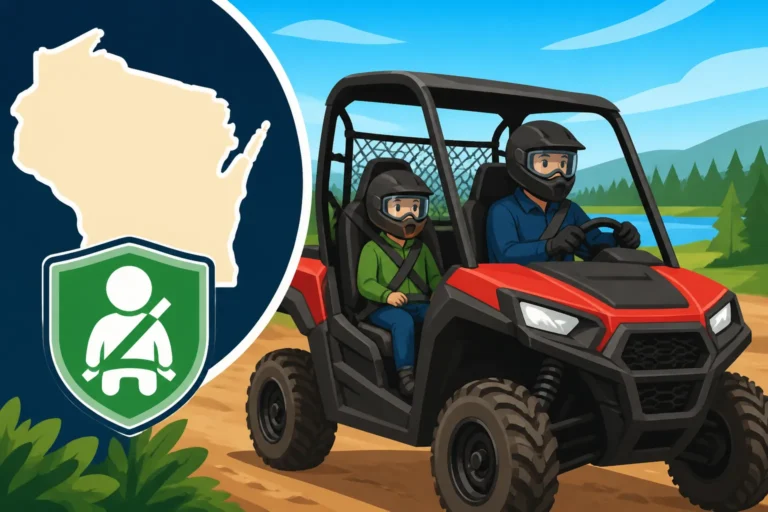
The rules for carrying passengers on a Wisconsin road route generally follow the same guidelines as trail riding, but it's always worth a reminder, especially when you're in a more public setting. If you're on an ATV, it must be specifically designed by the manufacturer to carry a passenger, meaning it has a designated passenger seat and footrests. Attempting to carry a passenger on a single-rider ATV, even on a town route, is illegal and extremely dangerous.
For UTVs, the rules are a bit more straightforward, as they are designed to carry multiple occupants. However, all passengers must be seated in manufacturer-designated seating positions, and seatbelts must be worn at all times. This is where accessories can play a role, but it's crucial that any additions, like those from SuperATV, enhance safety and utility without compromising the original design for carrying passengers. Never modify your machine to carry more people than it was designed for, especially on public roads. Safety is paramount, and following these rules ensures everyone has a fun and secure ride.
Safety & Etiquette: Being a Good Neighbor on Town Roads
Riding town roads means you're directly interacting with local residents and other users. Being a good neighbor and practicing proper etiquette isn't just polite; it's essential for the long-term viability of these routes. Our actions as riders directly influence how communities perceive us and our sport.
Sharing a Route With Farm Equipment
Wisconsin's rural landscape means that many town roads double as essential connectors for farm operations. If you're riding through agricultural areas, expect to encounter slow-moving farm equipment—tractors, combines, hay wagons, and more. This is their workspace, and they have every right to be there. When you see farm equipment ahead, slow down, give them plenty of space, and be patient. These machines are often wide, making it difficult for them to pull over easily.
Treat them with courtesy and caution. Avoid revving your engine or making sudden moves that could startle the operator. A friendly wave goes a long way. Remember, these folks are often residents of the very towns whose roads you're using. Their goodwill is important for keeping these routes open. Understanding that you're sharing the road, sometimes with very large and slow-moving vehicles, is a key part of responsible riding in rural Wisconsin.
Dust on a Dry Wisconsin Town Road
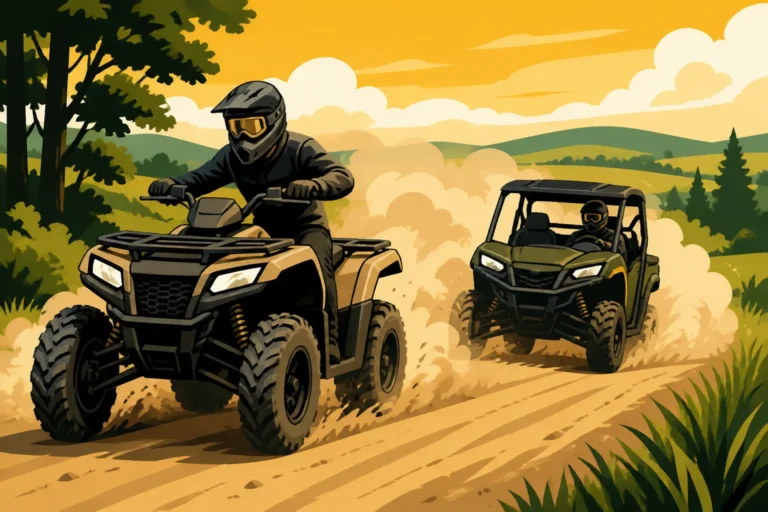
One of the most common complaints from residents living along gravel town roads that are also ATV/UTV routes is dust. On dry days, a group of machines can kick up an impressive amount of dust, which can settle on homes, gardens, and vehicles. This isn't just an inconvenience; it can be a real nuisance for those who live there year-round.
To mitigate this, slow down significantly when you're passing homes or businesses. Reducing your speed drastically cuts down on the amount of dust you generate. If you're riding in a group, try to leave a bit more space between machines to allow the dust to settle somewhat. Being mindful of your dust impact shows respect for the people who call these areas home. It's a small but significant gesture that helps maintain positive relationships between riders and residents, which is vital for the future of these routes.
Parking an ATV Outside a Wisconsin Tavern
There’s a unique charm to Wisconsin’s trail towns, where it’s perfectly normal to see ATVs and UTVs parked outside local businesses, from taverns and restaurants to bait shops and general stores. It’s part of the riding culture, offering a convenient way to access amenities. However, with this privilege comes the responsibility of parking thoughtfully and respectfully.
When you pull up to a business, ensure you’re parking in designated areas if they exist, or in a way that doesn’t block entrances, exits, sidewalks, or other vehicle traffic. Don’t take up multiple parking spots if there’s a shortage, and be especially mindful of any landscaping or private property. Think of it like parking your car—you wouldn’t block a doorway or park on someone’s lawn, so extend the same courtesy with your ATV. Beyond parking, it’s also crucial to remember the state’s [Wisconsin Alcohol Limits for ATV Operators]. Just like driving a car, operating an ATV or UTV under the influence is illegal and extremely dangerous. Enjoy the camaraderie, but always ride responsibly. You can read more about responsible stops at [Parking an ATV Outside a Wisconsin Tavern].
Connecting the Dots: Linking Routes to Trails and Destinations
The beauty of town roads open to ATVs isn't just riding them; it's how they connect you to everything else. These routes are the capillaries that feed into the larger trail arteries, linking communities, services, and vast stretches of wild Wisconsin.
Riding Into Eagle River
Let's take a practical example: [Riding Into Eagle River]. This iconic Northwoods town is a hub for ATV and UTV enthusiasts, and its network of town routes is a perfect illustration of how these local connections work. Riders can seamlessly transition from the extensive county trail systems directly into the heart of Eagle River. This means you can ride from miles away, right into town, to grab lunch, pick up supplies, or even check into a hotel.
The routes are typically well-marked, guiding you through residential areas and past businesses. This kind of access transforms a day on the trails into a complete recreational experience, offering both adventure and convenience. It highlights how towns leverage their road infrastructure to support tourism and provide invaluable services to the riding community.
Route Access in St. Germain and Arbor Vitae
Beyond Eagle River, other communities like St. Germain and Arbor Vitae also offer excellent examples of how town road routes enhance the riding experience. These towns, nestled within the popular Oneida and Vilas County trail systems, have strategically opened municipal roads to allow riders to access a wide array of services. You might be riding through picturesque forests and then find yourself on a quiet town road, leading you to a general store for a snack or a resort for a much-needed break.
The convenience of [Route Access in St. Germain and Arbor Vitae] means you don't have to load your machine onto a trailer just to grab a gallon of milk or some extra fuel. These routes are designed to integrate the riding experience with the local economy, creating a win-win for both residents and visitors. It’s all about creating a continuous, enjoyable journey.
Trailhead Parking and Staging
While town routes offer incredible direct access, it’s important to remember that for longer trips or when accessing trails that don't have direct town connections, [Wisconsin Trailhead Parking and Staging] areas are still vital. Town routes typically link existing trail systems to local amenities, but they aren't always the starting point for a ride.
Many riders will still trailer their machines to a central trailhead parking lot, especially if they are planning an all-day ride or coming from out of the area. These staging areas provide ample space for trucks and trailers, access to maps, and often direct entry onto a major trail system. The town routes then serve as important connectors, allowing you to venture off the main trail to explore local towns without having to load back up. It’s a complementary system that provides flexibility for all types of riding adventures.
Legal & Practical Considerations for Town Road Riding
Riding on town roads comes with its own set of legal and practical considerations that are distinct from those you might encounter solely on private land or dedicated trails. Being aware of these nuances can help you avoid unwelcome surprises and ensure a smooth, enjoyable ride.
Municipal Ordinances That Require Insurance
While Wisconsin state law does not universally mandate ATV/UTV insurance for all riding (though it's always highly recommended for your own protection), it's crucial to understand that individual municipalities can implement their own insurance requirements for operating on town-designated routes. This is less common for general route access, but it's not unheard of, especially in areas with higher population density or specific local concerns.
Imagine rolling into a town, and a local ordinance states you need proof of liability insurance to ride on their designated routes. If you don't have it, you could face a fine or be asked to leave. This underscores the importance of checking local ordinances before you ride in a new area. While many aftermarket accessories from companies like SuperATV can add value and capability to your machine, they also represent an investment that you'd want to protect with insurance, regardless of local mandates. Always check for specific [Municipal Insurance Requirements in Wisconsin] when planning your trip.
Driver's License Rules Some Wisconsin Towns Add
Here's another point where local rules can diverge from broader state guidelines. Generally, Wisconsin state law does not require you to possess a standard driver's license to operate an ATV or UTV on public trails or designated routes. However, some individual towns or villages, based on their unique local ordinances, may choose to impose such a requirement for operating ATVs or UTVs on their specific town roads.
This is often seen as a measure to enhance safety, particularly in more congested areas or on routes that share significant stretches with traditional vehicular traffic. Again, this highlights the necessity of researching the local rules for each town you plan to ride through. It would be a frustrating surprise to be pulled over and cited for not having a driver's license when you thought you were completely legal. Always err on the side of caution and verify specific requirements with the local municipal clerk.
Warden Enforcement on Wisconsin Routes
Don't for a minute think that because you're on a town road, you're outside the purview of law enforcement. Wisconsin DNR wardens, along with local police and sheriff's deputies, actively patrol designated ATV/UTV routes on town roads. They are there to ensure compliance with both state statutes and local ordinances, which includes everything from registration and safety certification requirements to speed limits and passenger rules.
Wardens understand that these routes are vital for connecting trail systems and accessing amenities, but they are also vigilant about ensuring responsible riding. An infraction on a town road route is treated just as seriously as one on a dedicated trail. Expect to be stopped if you're observed violating any rules, and be prepared to show your registration, safety certificate, and any other required documentation. The goal of [Warden Enforcement on Wisconsin Routes] isn't to impede your fun, but to maintain safety and ensure everyone adheres to the regulations. If you happen to be issued a citation, be aware of the [Wisconsin ATV Ticket Amounts] and the process for addressing them.
Here’s a quick overview of what to look for when researching local ordinances:
| Aspect | What to Check For | Why It Matters |
|---|---|---|
| Designated Routes | Specific road names or map segments where ATV/UTV use is permitted. | Riding off a designated route is trespassing or illegal operation. |
| Hours of Operation | Are there time restrictions (e.g., no riding after dark or before sunrise)? | To avoid noise complaints and fines for late-night riding. |
| Speed Limits | Specific speed limits for ATVs/UTVs on routes (may differ from car limits). | Crucial for safety, dust control, and good community relations. |
| Insurance | Any local requirements for liability insurance. | To avoid fines and ensure you're covered in case of an incident. |
| Driver's License | Are operators required to hold a valid driver's license? | State law doesn't always require it, but local ordinances might. |
| Passenger Rules | Are there additional local rules beyond state regulations for passengers? | Ensures safety and compliance for multi-rider machines. |
| Connecting Trails | How the routes connect to state, county, or private trails. | To plan seamless rides and avoid dead ends. |
| Local Contact Info | Town Clerk's office, local ATV clubs, County Tourism Boards. | Best resources for the most up-to-date and specific information. |
Disclaimer
This article is for general informational purposes only and does not constitute professional advice. Laws, prices and regulations vary by location and change over time. Consult a qualified professional for guidance on your specific situation.