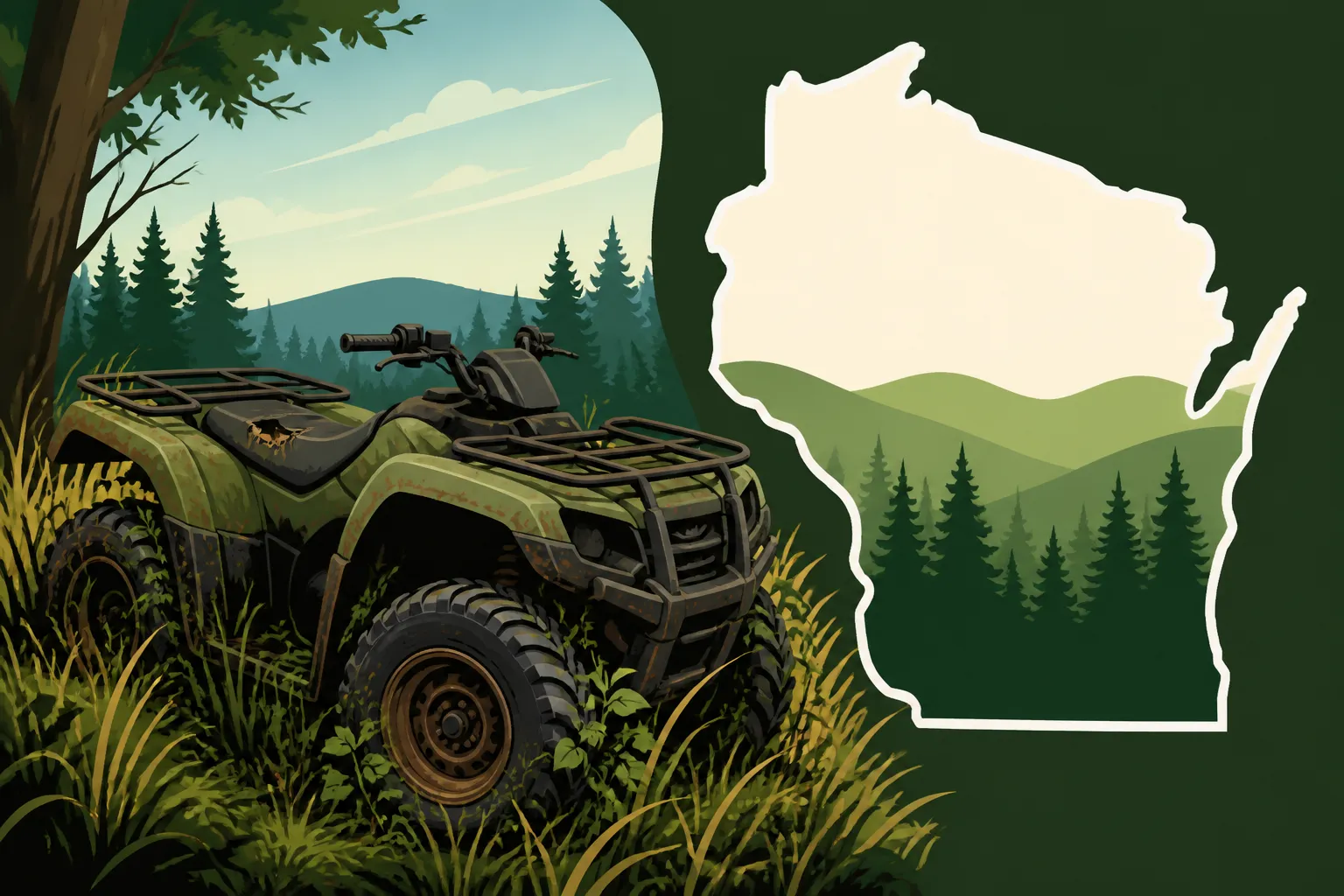
An Abandoned ATV on Wisconsin Property
It's certainly unsettling to walk out onto your Wisconsin property and discover an ATV or UTV that simply wasn't there before. You're left wondering: Is it stolen? Did someone break down and walk away? Is it truly abandoned? This guide is here to walk you through the proper, legal steps to take when you find an unknown off-road machine on your land, helping you avoid potential pitfalls and navigate the process responsibly.
Understanding What "Abandoned" Really Means in Wisconsin
Before you start dreaming of a "free" machine, it's really important to understand that an ATV or UTV isn't truly "abandoned" just because it's been left on your land. Wisconsin law, like many other states, has specific definitions and procedures for dealing with found or unclaimed property, especially motorized vehicles. Jumping to conclusions too quickly can land you in a heap of legal trouble, so let's break down what you're really looking at.
The Difference Between Lost, Stolen, and Truly Abandoned
When you first spot that unfamiliar quad or side-by-side, your mind might race. Is it a gift from the universe? More likely, it's either lost, stolen, or temporarily left behind. A machine could be lost if the owner had an accident and was injured, or simply forgot where they parked if they wandered off. It could be stolen, ditched by a thief who panicked or ran out of gas. Or, yes, it could be abandoned, meaning the owner intentionally gave up all rights to it. The challenge is figuring out which scenario applies.
The critical distinction is intent. A machine isn't abandoned if the owner intends to retrieve it. This is why immediate action, like selling it or moving it far away, can be a big mistake. Imagine someone broke down, walked out to get help, and fully intends to return with a truck and trailer. If you've already claimed it, you could be facing accusations of theft yourself. You absolutely need to cover your bases and verify the machine's status before making any assumptions. That rusty old quad might be someone's prized possession, or it could be a hot commodity that someone just dumped.
The Legal Ramifications of Assuming Ownership
This is where things can get sticky, and why a cautious approach is your best friend. If you immediately assume ownership of an ATV found on your property, you could inadvertently be taking possession of stolen goods or another person's rightful property. If the true owner eventually shows up, or if law enforcement identifies the machine as stolen, you could be facing legal action, fines, or even criminal charges for theft or receiving stolen property. It sounds extreme, but it's a very real possibility.
Beyond criminal charges, imagine a civil lawsuit. The owner could sue you for the value of the machine, storage fees (if you charged them), or even damages if you've altered or used it without permission. Your homeowner's insurance might not cover such a claim if you've knowingly taken possession of someone else's property without proper due diligence. The goal here is to protect yourself, your land, and your peace of mind by following the rules. It's far better to be safe and follow the proper steps than to get tangled in a legal mess over a machine you didn't even want in the first place.
Your First Steps When an ATV Appears on Your Land
Finding an unexpected ATV or UTV on your property is a unique situation, and your immediate actions are crucial. The goal is to document everything, notify the right people, and make a good-faith effort to identify the rightful owner. This process protects you legally and ensures you're doing things by the book.
Documenting the Discovery and Notifying Authorities
First things first: documentation. Grab your phone or camera and take plenty of photos. Get wide shots showing the machine's location on your property, and close-ups of the machine itself, including any damage, identifying marks, and especially the Vehicle Identification Number (VIN). Note the exact date and time you discovered it, along with any relevant details like weather conditions, tire tracks, or anything unusual nearby. This record is your proof of discovery and can be invaluable if questions arise later.
Do NOT move the ATV or UTV unless it's absolutely necessary for safety or to prevent further damage, and even then, document the move thoroughly. Once you've documented the scene, your very next call should be to your local law enforcement agency – typically the county sheriff's department or your municipal police. You should also consider contacting a Wisconsin DNR warden, as they specialize in recreational vehicles and enforcement on trails and public lands. They can check if the machine has been reported stolen or is involved in any incidents. Explaining the situation clearly and offering your documentation will help them initiate their own investigation. This step is non-negotiable; letting authorities know immediately shows you're acting responsibly.
Running the VIN Through the Wisconsin DNR Database
After you've contacted law enforcement, they will likely guide you on how to proceed with the Vehicle Identification Number (VIN). The VIN is the most important identifier for any vehicle, including ATVs and UTVs. It's usually located on the frame, often near the front wheels, on the steering column, or under the seat. Look for a 17-character alpha-numeric code. Once you have the VIN, law enforcement or the DNR can run it through their databases. This check will reveal if the machine has been reported stolen. It can also help identify the last registered owner, which is crucial for attempting to return the machine.
Even if law enforcement handles the direct lookup, understanding how this process works is helpful. The Wisconsin DNR maintains a registration database for all ATVs and UTVs operated on public lands or routes. While Wisconsin does not title ATVs, registration records still provide a vital link to ownership. Checking the VIN is your first line of defense against unwittingly harboring stolen property. For more on this, you might find information in articles like [Running a Used Quad Past Theft Records] or [Looking Up a Wisconsin ATV Registration] helpful, as they cover the importance of VIN checks for buyers and owners alike.
Attempting to Locate the Owner and Why it's Important
Once law enforcement has checked for theft, and if the machine isn't stolen, the next step is to attempt to locate the owner. This is where your "due diligence" comes into play, demonstrating that you genuinely tried to find the rightful person. If the DNR or sheriff's department can identify a registered owner, they will often attempt to contact them. However, sometimes their contact information is outdated, or the machine might have been sold privately without a proper transfer of registration.
If the authorities can't locate the owner, you might be asked to take further steps. This could involve posting a "Found Property" notice in local community areas, like general stores, town halls, or even on community social media groups (being careful not to share too many identifying details publicly, to prevent false claims). You might also be advised to send certified letters to any potential owners identified through past registration records. This effort shows a clear intent to reunite the property with its owner, which is essential for any future legal claim you might make to the machine. Without this paper trail of diligent effort, your ability to legally claim the ATV down the road could be severely hampered.
The Formal Process for Dealing With Unclaimed Property
Once you've done your initial due diligence and the ATV remains unclaimed, you'll need to follow more formal legal procedures outlined by Wisconsin state law for abandoned or unclaimed property. This is a structured approach designed to protect both the original owner's rights and yours.
Understanding Wisconsin's Unclaimed Property Laws
Wisconsin has specific laws regarding "found property" and how it must be handled. For vehicles, these laws usually involve a waiting period during which the owner has the opportunity to claim their property. It's not as simple as waiting a few weeks and then calling it yours. The intention behind these laws is to give property owners every reasonable chance to recover what they've lost. Because ATVs and UTVs are not titled in Wisconsin, the concept of "ownership" relies heavily on registration records and the paper trail of a sale, like a bill of sale. Without a clear owner, the process can be more involved.
These laws are designed to prevent people from simply taking possession of someone else's property, even if it's found on their land. The longer the waiting period, the more opportunity the owner has to discover their machine is missing and track it down. This is why local law enforcement and the DNR are your primary contacts; they are familiar with these specific regulations and can guide you through the process for motorized vehicles. They'll also be crucial in ensuring that if the machine does turn out to be stolen, it can be returned to its rightful owner, potentially even aiding in the [Recovering a Stolen Machine in Wisconsin] process.
Sending Official Notices and Publication Requirements
If, after a reasonable amount of time and initial efforts (guided by law enforcement), the owner still hasn't been found, you may need to escalate your efforts by sending official notices. If you have any leads on the owner's identity or last known address (perhaps from old registration records provided by the DNR), you would typically send a formal notice via certified mail with a return receipt requested. This notice should clearly state that the ATV was found on your property, give a description, and inform them of the deadline to claim it before you pursue further legal action.
If the owner cannot be identified or located, Wisconsin law might require you to publish a notice in a local newspaper of general circulation. This public notice serves as a final, formal attempt to alert the owner. It typically includes a description of the ATV (but usually not the full VIN to prevent fraudulent claims), where and when it was found, and instructions on how the owner can claim it. This can be a bit of an administrative task, but it's vital for establishing your legal right to eventually claim the machine. For creating formal letters or notices, especially if you need a template to ensure all legal requirements are met, services like LawDepot can be incredibly helpful for generating legally sound documents without needing to hire an attorney for every step. Having a clear paper trail, including certified mail receipts and newspaper clippings, is paramount.
How Long You Must Wait Before Taking Action
The waiting period for unclaimed property in Wisconsin can vary depending on the type of property and the circumstances. For an abandoned vehicle, it's often a significant amount of time, sometimes months, after all reasonable efforts to locate the owner have failed and formal notices have been issued. This isn't a quick process, and patience is key. During this time, the ATV should ideally remain undisturbed and secured on your property.
Law enforcement or the DNR will be able to advise you on the exact statutory waiting periods applicable to your specific situation. Do not assume any specific timeframe based on hearsay or general advice. It's crucial to get this information directly from the authorities to ensure you comply with the law. Rushing this period or sidestepping the requirements could invalidate any claim you might try to make on the machine. This waiting period is part of the extensive due diligence required before you can consider the machine legally "abandoned" and yours to do with as you please.
What Happens If the ATV Remains Unclaimed?
So, you've documented everything, notified the authorities, tried to find the owner, sent official notices, and waited out the prescribed period. What now? If the ATV or UTV remains unclaimed, Wisconsin law provides pathways for you to eventually gain legal ownership or dispose of the machine.
Acquiring Legal Ownership Through Unclaimed Property Processes
Once you've exhausted all reasonable and legally required avenues to find the owner, and the statutory waiting period has passed, you can begin the process of acquiring legal ownership. While Wisconsin does not issue titles for ATVs and UTVs in the way it does for cars, you can still establish a clear chain of ownership through a formal declaration process. This often involves filing an affidavit or petition with a local court, demonstrating all the steps you took to locate the owner and the fact that the property remains unclaimed.
The court will review your documentation – photos, contact logs, certified mail receipts, newspaper publications – and if satisfied that you followed the proper procedure, it can issue an order declaring you the legal owner of the machine. This court order effectively serves as your "proof of ownership," even without a traditional title. With this document, you can then proceed to register the machine in your name with the Wisconsin DNR. This is where [Proof of Ownership Without a Title] becomes incredibly relevant, as it describes how one might establish such a claim when no title exists. This process can be intricate and may benefit from legal assistance, or at least using comprehensive legal forms available from services like LawDepot to ensure your petition or affidavit covers all necessary points.
Options for Disposal or Sale Once Legal Ownership is Established
Once you have that court order or other legal documentation establishing your ownership, the ATV is officially yours. At this point, you have several options:
- Register it for your own use: You can now approach the Wisconsin DNR with your legal paperwork and register the machine in your name. This will allow you to legally operate it on public trails and routes. Remember, [Registering an ATV in Wisconsin] is a requirement for public use.
- Sell it: If you don't want the machine, you can sell it. With your court order as proof of ownership, you can create a bill of sale, much like you would when buying a used machine from another private party. You'll need to handle the necessary sales tax considerations, which are outlined in resources like [Wisconsin Sales Tax on an ATV Purchase]. A solid [What a Wisconsin ATV Bill of Sale Should Carry] will be essential here, and LawDepot can help you draft a professional bill of sale.
- Donate it: You could donate the machine to a local charity or organization, using your ownership documentation for tax purposes.
- Scrap it: If the machine is in poor condition and not worth repairing or selling, you can legally dispose of it.
Regardless of your choice, having the legal documentation of ownership is key to avoid any future disputes. This is the culmination of all your diligent efforts.
The Cost and Effort Involved in the Process
Let's be realistic: this isn't a quick or free process. Dealing with an abandoned ATV on your property requires a significant investment of time, effort, and potentially money.
- Time: You're looking at months, not weeks, to navigate the various waiting periods, notification requirements, and potential court procedures.
- Effort: Documenting, contacting authorities, attempting to locate the owner, preparing notices, and potentially filing court paperwork all take considerable effort. It's not a passive waiting game.
- Cost: While you might not hire an attorney for every step, there can be costs associated with certified mail, publishing notices in the newspaper, and court filing fees if you pursue legal ownership. If you do consult with an attorney, their fees will add to the expense.
It's important to weigh these factors. For a rusty old quad that barely runs, the cost and effort might outweigh the potential value of the machine. However, for a newer, valuable UTV, the investment might be well worth it. The key is to approach it systematically, understanding that the state's goal is to protect property rights, and that involves a thorough, deliberate process.
Here's a quick summary of the process:
| Action | Typical Timeline/Condition | Key Considerations |
|---|---|---|
| Initial Discovery & Documentation | Immediately upon finding | Take photos, note date/time, VIN. Do NOT move without documenting. |
| Notify Authorities (Sheriff/DNR) | Immediately after documentation | Provide all details and VIN. They will check for stolen status. |
| Attempt to Locate Owner | Days/Weeks (guided by authorities) | Public notices (local paper, community boards), certified letters if contact info known. |
| Formal Notification (if owner identified) | As required by law (e.g., 30 days to respond) | Certified mail to last known address, outlining claim deadline. |
| Statutory Waiting Period | Varies (e.g., 60-90 days or more after last notice) | Machine remains on your property, secured. No use or alteration. |
| Acquire Legal Ownership (Court Order) | After waiting period and if owner still unclaimed | File petition with court, present all documentation. This costs money and time. |
| Register/Sell/Dispose | After legal ownership is established | Register with DNR, sell with bill of sale, or dispose of properly. |
Disclaimer
This article is for general informational purposes only and does not constitute professional advice. Laws, prices and regulations vary by location and change over time. Consult a qualified professional for guidance on your specific situation.