Replacing a Trail Pass That Peeled Off
A Wisconsin trail pass that peels off can leave you unsure whether you can keep riding, whether the pass is still valid, and how to replace it without making things worse. The safest approach is to preserve the damaged pass, document what happened, and confirm the replacement process with the Wisconsin DNR or an authorized seller before riding where a pass is required.
First, identify which pass came off
A trail pass and a machine’s registration decal are not the same thing. A Wisconsin registration decal identifies a registered machine, while a trail pass is a separate requirement for some riders and machines using certain trails. If the missing sticker is actually a registration decal, the replacement process may be different. Check Displaying a Wisconsin Trail Pass and Sticker Placement on a Wisconsin Machine if you are not sure which one detached.
Wisconsin’s pass rules depend on the machine, its registration status, and where you plan to ride. A pass may be required for a nonresident machine on trails even when the machine is legally registered in another state. A Wisconsin-registered machine may be treated differently. Review Which Wisconsin Trails Require a Pass and Machines Registered in Wisconsin and the Pass rather than assuming that every machine needs the same permit.
If you have a peeled or partly detached pass, keep it. Do not throw it away, trim it, or transfer it to another machine. The pass may still contain information that helps the issuing office identify the purchase. If it has fully fallen off, put it in a clean envelope or plastic bag so it does not get lost or damaged further.
Take clear photos of:
- The pass itself, including any printed number or identifying information
- The place on the machine where it was attached
- Any remaining adhesive or torn material
- The machine’s registration details, if relevant
A photo is useful when explaining what happened, but do not assume it counts as a replacement pass or meets the display requirement. Ask the Wisconsin DNR or the seller that issued the pass what evidence they need and what you must do before riding again.
What to do when a Wisconsin trail pass peels off
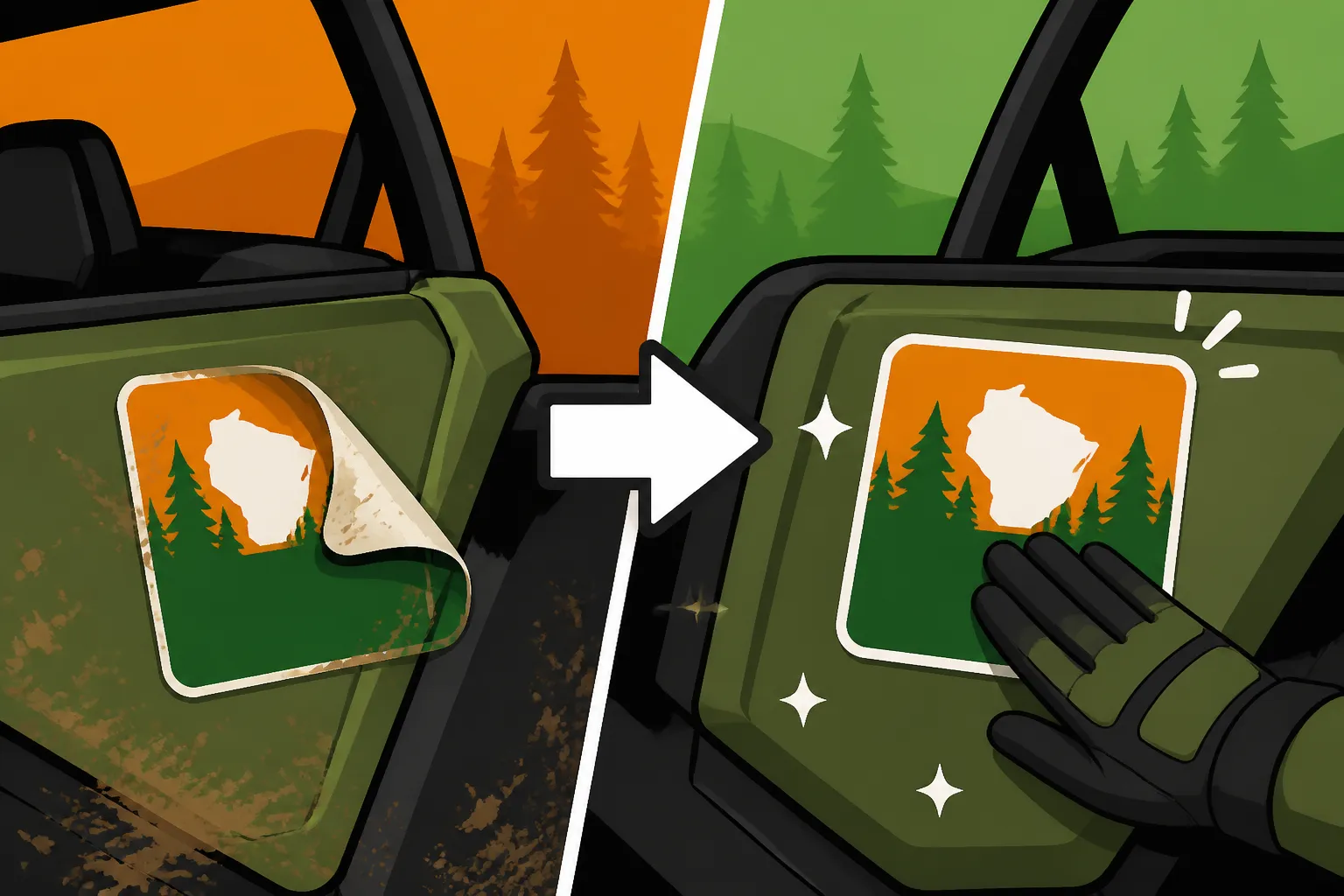
Start by checking whether the pass is still securely attached and readable. If it is hanging by an edge, avoid pulling it off just to inspect the back. Pressing a loose sticker back onto a dirty, wet, or cold surface can make it detach again, and handling it repeatedly can damage the printed information.
If the pass has already come off, do not use clear tape, glue, household adhesive, or a replacement vinyl sticker to make it look attached. A self-made repair might hide identifying details or make the pass difficult to verify. An aftermarket sticker bought from Amazon is not a substitute for an official pass, even if it is similar in size or appearance.
Contact the Wisconsin DNR or the authorized agent that sold the pass. If you bought it online, check the purchase confirmation and contact the appropriate DNR office through its current official contact channels. If you bought it in person, the seller may be able to tell you how replacement requests are handled. The exact process can depend on the type of pass and how it was issued, so confirm what applies to yours rather than relying on another rider’s experience.
When you make the request, be ready to explain:
- What kind of machine the pass was for and where you bought it.
- Whether the pass is lost, torn, partly detached, or still in your possession.
- When and where you noticed the problem.
- Whether you have a receipt, confirmation email, pass number, or photographs.
- Whether the machine has changed hands or the pass was moved.
Ask specifically whether the damaged pass must be returned, whether a replacement can be issued, whether there is a charge, and what you should display while the request is being handled. Do not assume a replacement is automatic or that a receipt alone satisfies the display rule. If the pass cannot be replaced, ask what options are available before purchasing another one.
If you are a visitor planning a trip, deal with the problem before leaving home when possible. A pass that comes loose at a trailhead can be difficult to resolve quickly, especially if you are far from an agent or have limited phone service. The steps for purchasing one in the first place are covered in Buying a Wisconsin Trail Pass Online and Where Visitors Buy a Wisconsin Pass.
Avoid another peel-off
Most pass failures start with poor surface preparation, an unsuitable location, or conditions that prevent the adhesive from bonding. Follow the placement instructions that came with the pass. If they are unclear, ask the issuing office or seller where that specific pass should go. Do not copy a placement from a different machine unless the instructions say the location is acceptable.
Before applying a new or replacement pass:
- Choose the approved surface and location for the pass.
- Clean away mud, dust, oil, wax, and old adhesive.
- Let the surface dry fully.
- Apply the pass when the machine and surface are not wet or excessively cold.
- Press it down firmly across the whole sticker, paying attention to the edges.
- Avoid washing, handling, or covering the area until the adhesive has had time to set, following any instructions provided.
Do not place the pass where a body panel flexes heavily, where a boot or cargo regularly rubs, or where it is likely to be struck by branches or gear. Also avoid choosing a spot simply because it is convenient if the official placement instructions specify another area. A pass that is easy to see and protected from routine contact is less likely to be lost.
Pressure washing deserves special care. A high-pressure stream aimed at the edge of a sticker can lift it, especially after mud has dried around it. Wash from a sensible distance and avoid directing the nozzle at the pass. If the pass begins lifting after cleaning, do not cover it with a second sticker or adhesive film; ask the issuer what to do.
After application, check the pass before each ride. Look for lifting corners, tears, fading, or dirt that hides identifying details. Keep the purchase receipt or electronic confirmation somewhere separate from the machine, and save a photo of the pass for reference. These records can make it easier to explain a loss, but they do not replace the required pass or its proper display.
For a new purchase, check whether the pass is intended for one machine or whether additional machines require separate passes. Do not move a pass from one ATV or UTV to another unless the current rules and the issuer explicitly allow it. See Wisconsin Passes for a Second Machine and Passes for a Borrowed Machine Up North for related situations.
Can you ride while waiting for a replacement?
Do not assume you can ride on a required trail just because you paid for a pass before it peeled off. Payment history and a detached sticker may help establish what happened, but they may not meet the requirement to carry or display a valid pass. Ask the Wisconsin DNR or an authorized agent whether you can ride while the replacement is pending and what proof, if any, they will accept.
This distinction matters most when you are planning to use a county trail or another route with pass requirements. Trail rules can vary by location, and a pass does not grant access where riding is otherwise prohibited. Check Wisconsin Permit Rules on County Trails and verify the local trail status before setting out. A trail closure, local restriction, or other rule still applies even if your pass is valid.
If you cannot confirm that riding is allowed without the replacement, postpone the trail ride or choose a place where the pass requirement does not apply and where you have permission to ride. Do not treat private land as automatically exempt: permission, land status, and other rules can still matter. If you bought a nonresident pass, Wisconsin’s Non-Resident Trail Pass explains the broader pass context, but the issuing office is the best place to confirm what to do about your particular damaged pass.
When you speak with an official or seller, write down the instructions, including any reference number or the name of the office you contacted. Keep the damaged pass and purchase record until the matter is resolved. If a replacement is issued, apply it according to its instructions and verify that it is firmly attached before taking the machine back onto a trail.
A peeled pass is inconvenient, but improvising a repair can create a second problem. Preserve what remains, contact the issuer, and get clear confirmation about replacement and riding eligibility before heading out.
Disclaimer
This article is for general informational purposes only and does not constitute professional advice. Laws, prices and regulations vary by location and change over time. Consult a qualified professional for guidance on your specific situation.