Why Wisconsin Does Not Title ATVs
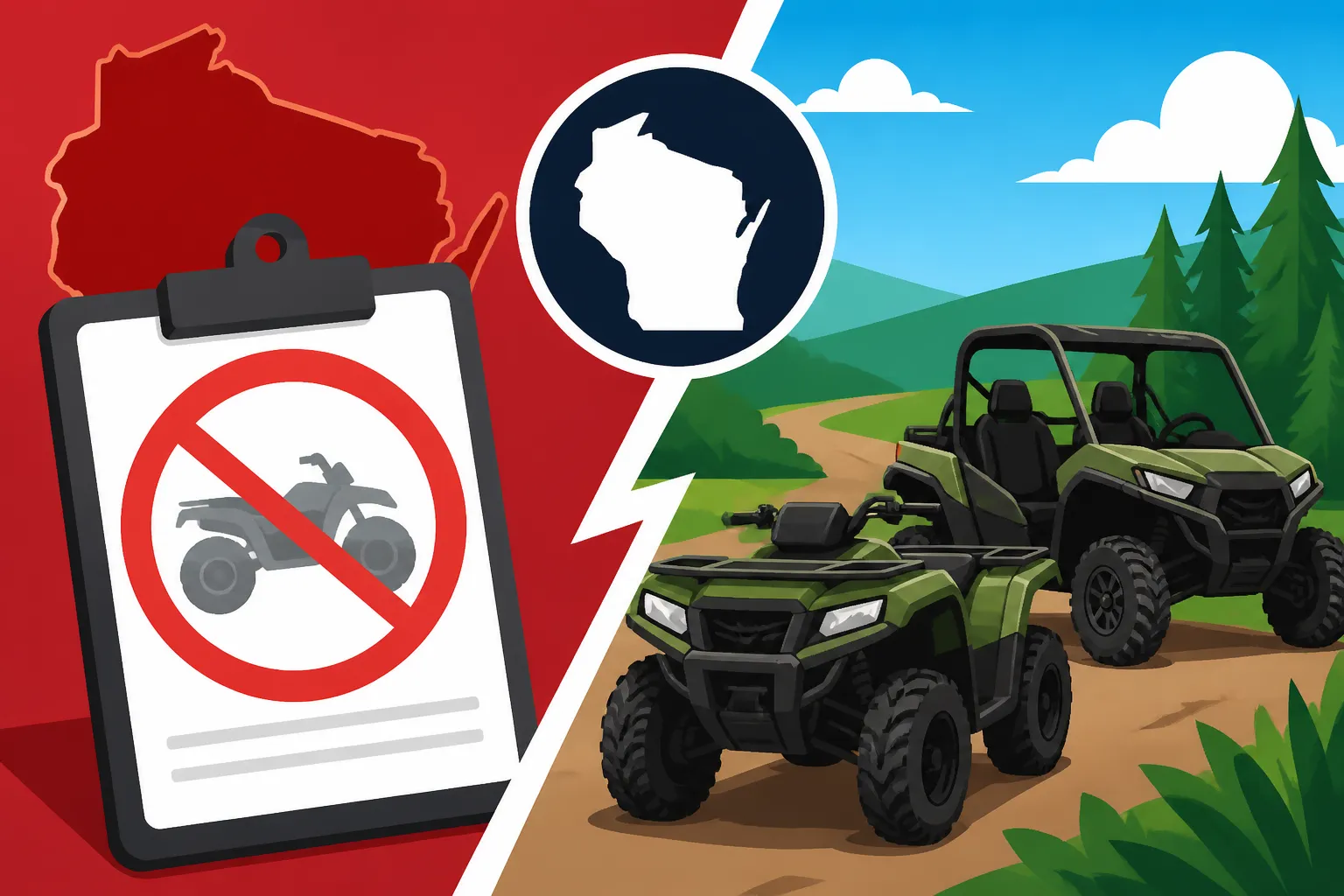
One of the most common head-scratchers for folks looking to buy or sell an ATV in Wisconsin, or even just understand the rules, is the fact that these machines don't come with a title. It's a source of real confusion, especially if you're used to buying cars, trucks, or even snowmobiles, which all have titles. You might be left wondering, "How do I prove I own this thing?" or "What paperwork do I need if I buy it?" This guide is here to clear up that very frustration, diving deep into why Wisconsin operates this way for ATVs and UTVs, and what that means for you as an owner, buyer, or seller.
The Core Distinction: Registration vs. Titling in Wisconsin
When you first learn that Wisconsin doesn't title ATVs, it can feel a little unsettling. We're so conditioned to think of a "title" as the ultimate proof of ownership for vehicles. But for all-terrain vehicles and utility terrain vehicles here in the Badger State, the system works a bit differently. It's all about registration.
What a Title Really Means for a Vehicle
Think about your car or truck. The title is a legal document issued by the state's Department of Motor Vehicles (or similar agency) that establishes the legal owner of a vehicle. It's like a deed for your house, but for your wheels. A title contains vital information: the vehicle identification number (VIN), the make, model, year, and often the odometer reading. Crucially, it also lists any liens on the vehicle, meaning if you borrowed money to buy it, the lender's interest is recorded right there. This makes the transfer of ownership clear, helps prevent theft, and protects both buyers and sellers by providing a definitive paper trail of who truly owns the asset. When you sell a car, you sign the title over to the new owner, and that's the primary document proving the transfer.
Why Wisconsin Chose Registration for ATVs
So, why the departure for ATVs? Historically, ATVs were often viewed more like recreational equipment than traditional highway vehicles. When the rules for ATVs were being established, many states, including Wisconsin, opted for a registration system similar to that used for snowmobiles or boats. This system tracks the machine and its operator for enforcement, safety, and revenue purposes (to fund trails, for instance), but doesn't delve into the full-blown legal ownership complexities that a title is designed for.
It's a simpler administrative approach that focuses on regulating the use of the machine on public lands and trails, rather than its status as a high-value, frequently traded asset in the same way a car might be. The emphasis is on ensuring the machine is identified and that the person operating it is associated with that machine for public safety and resource management. This is why you need to understand [Wisconsin DNR ATV Registration Explained] and its specific requirements.
The Legal Implications of No Title
Without a title, the burden of proving ownership shifts to a combination of other documents. This is where many people get tripped up. Instead of a single, definitive piece of paper, you rely on a package of documents. The primary proof of ownership for an ATV in Wisconsin becomes the bill of sale and the current registration card. These documents, along with the Manufacturer's Statement of Origin (MSO) for a brand-new machine, form the legal chain of custody. It means you need to be extra diligent about keeping these papers safe and ensuring they are correctly filled out, especially when buying or selling. While a title explicitly states who owns the vehicle, a registration card merely states who registered it. These are not always the same thing, although in most cases, the registered owner is indeed the legal owner.
Understanding Wisconsin's ATV Registration System
Since there's no title, understanding the registration system is paramount. This is the official way the state tracks ATVs and UTVs, and it's what wardens will ask for if you're out on the trails. It's not just a formality; it's how your machine is recognized by the state.
Public Use vs. Private Use Registration
Wisconsin has two main types of ATV registration, and knowing the difference is crucial for every rider. [Public Use Versus Private Use in Wisconsin] explains this in detail.
Public Use Registration: This is what most recreational riders need. If you plan to ride your ATV on any public trails, routes, or land open to ATV use, you absolutely need a public use registration. This type of registration comes with decals that must be affixed to your machine, visible for wardens and other riders. The fees from public use registration directly support the state's extensive trail system, so it's a vital part of keeping those trails open and maintained. It's essentially your ticket to ride responsibly and legally on shared recreational spaces.
Private Use Registration: This option is for machines that never leave your own private land. If your ATV is strictly for working around your farm, clearing snow from your driveway, or riding within the confines of your property, and it will never touch a public trail or road route, then a private use registration is sufficient. This registration type costs less and does not typically come with the same display decals as public use. It acknowledges your ownership and provides a record for law enforcement if needed, but it doesn't grant you access to public trails. This is also covered under [Registering a Machine That Never Leaves Your Land].
What a Wisconsin Registration Card Provides
The Wisconsin ATV registration card is your most important piece of paper after a bill of sale. It's a small, durable card that typically lists:
- The registrant's name and address: This is the person or entity legally responsible for the machine's registration.
- The machine's Vehicle Identification Number (VIN): This unique 17-digit code is the machine's fingerprint.
- The make, model, and year of the ATV/UTV: Essential descriptive information.
- The registration number: A unique number assigned by the Wisconsin DNR for tracking.
- The expiration date: Public use registrations expire March 31st annually, a date every Wisconsin rider learns.
This card serves multiple purposes. It's proof that you've completed the registration process with the state. When you're stopped by a warden, this is the document they'll ask for to confirm your machine is legally registered. It also acts as a crucial part of the ownership record when you decide to sell the machine. [What a Wisconsin Warden Asks a Rider For] highlights the importance of having this card readily available.
Decals and Their Importance
Along with your registration card, public use registered ATVs receive unique decals from the Wisconsin DNR. These are not just for show; they serve a very practical purpose. The decals, which typically display your registration number and the current registration year, must be prominently displayed on your ATV. [Sticker Placement on a Wisconsin Machine] provides guidance on exactly where these need to go.
The decals are visual proof to wardens, trail hosts, and even other riders that your machine is properly registered for public use. They allow for quick identification and ensure compliance with state regulations. If your decals fade, peel off in the cold, or get damaged, it's essential to order replacements. Riding with expired or missing decals can lead to fines, so it's vital to keep them current and visible. They are a tangible sign that you're playing by the rules and contributing to the upkeep of the trails we all enjoy.
Proving ATV Ownership Without a Title
Since Wisconsin ATVs don't have a formal title, you need to rely on other documents to establish a clear chain of ownership. This requires careful record-keeping and attention to detail, especially during a purchase or sale.
The Role of a Bill of Sale
In the absence of a title, the bill of sale becomes the single most important document for proving ownership of a used ATV in Wisconsin. It's essentially a contract between the buyer and the seller, detailing the transaction. A robust bill of sale should include:
- Date of Sale: The exact day the transaction occurred.
- Buyer's Information: Full legal name, address, and contact information.
- Seller's Information: Full legal name, address, and contact information.
- Machine Details: Make, model, year, and crucially, the full 17-digit Vehicle Identification Number (VIN).
- Sale Price: The amount paid for the ATV.
- Condition of Sale: Often "as is," but any specific agreements can be noted.
- Signatures: Both the buyer and seller should sign and date the document. Having it notarized can add an extra layer of legal weight, though it's not always required for DNR registration purposes.
A well-crafted bill of sale establishes the transfer of ownership from one party to another and links a specific machine (via VIN) to the new owner. It's the primary document you'll use to register the ATV in your name. For private sales, where there's no dealer to handle paperwork, this document is critical. If you're looking for a reliable template, resources like LawDepot can help you generate a comprehensive bill of sale that covers all the necessary legal bases, ensuring you have a clear record. [What a Wisconsin ATV Bill of Sale Should Carry] delves deeper into these requirements.
Manufacturer's Statement of Origin MSO/MCO
When you buy a brand-new ATV or UTV from a dealer in Wisconsin, you won't get a title right away. Instead, you'll receive a document called a Manufacturer's Statement of Origin (MSO) or Manufacturer's Certificate of Origin (MCO). This is the equivalent of a birth certificate for your machine. It confirms that the vehicle is new, identifies the manufacturer, and lists the VIN.
The MSO is crucial because it establishes the first legal owner of the machine from the manufacturer. When you register your new ATV with the Wisconsin DNR, you'll typically submit the MSO along with your registration application. After this initial registration, the MSO usually remains with the owner as proof of the machine's original status. If you sell the machine later, especially if it's still relatively new, providing the MSO along with your bill of sale and current registration card adds significant credibility to the ownership chain. It shows a clear path from the factory to the first owner, and then to subsequent owners.
Registration History and Records
While there's no title to look up, the Wisconsin DNR does maintain a record of all registered ATVs and UTVs. This registration history, tied to the machine's VIN, can be an invaluable part of proving ownership, especially for used machines. When you buy a used ATV, the seller should provide you with their current, valid registration card. This card, combined with a detailed bill of sale, creates a clear transfer of ownership.
If there's ever a question about previous owners or if a registration card goes missing, the DNR's records are the official source of truth. They can track who has registered the machine over time. This is why it's always a good idea to ensure the VIN on any documents matches the physical VIN on the machine perfectly. DNR records help to establish a chain of possession, which is vital when you don't have a traditional title. For more on this, see [Proof of Ownership Without a Title].
| Document Type | Purpose | Best Use Case | Required for Registration | Transfer of Ownership |
|---|---|---|---|---|
| Manufacturer's Statement of Origin (MSO) | Proves initial ownership from the manufacturer. | New ATV purchases. | Yes (for first owner) | Initial |
| Bill of Sale | Legal document detailing sale terms and transfer of ownership. | Used ATV purchases (private party or dealer). | Yes | Primary |
| Wisconsin Registration Card | Proof that the ATV is registered with the state (registrant). | Used ATV purchases, ongoing proof of state compliance. | Yes | Secondary |
| Title (from other states) | Formal legal document proving ownership (if machine from titling state). | Bringing an ATV from a titling state into Wisconsin. | No (Wisconsin converts) | N/A |
Navigating ATV Sales and Transfers in Wisconsin
The lack of a title means the process of buying and selling an ATV in Wisconsin has its own nuances. You need to be extra diligent with paperwork to ensure a smooth, legal transfer of ownership and avoid headaches down the road.
Buying an ATV: What to Get from the Seller
When you're the buyer of an ATV in Wisconsin, your due diligence is critical. You're not just looking at the machine; you're scrutinizing the paperwork. Here's what you absolutely need to obtain from the seller:
- A Comprehensive Bill of Sale: This is non-negotiable. Ensure it has all the details mentioned earlier: buyer/seller info, VIN, make, model, year, price, and signatures. Don't accept a scribbled note on a napkin. A properly drafted bill of sale protects both parties. If the seller doesn't have one, or offers a flimsy one, consider using a template from a service like LawDepot to create a robust document they can sign. This ensures legal clarity for your purchase.
- The Current Wisconsin Registration Card: The seller must provide you with their registration card for the ATV. This proves they are the current registered owner. This card, combined with the bill of sale, is what you'll use to transfer the registration into your name.
- Manufacturer's Statement of Origin (MSO/MCO): If you're buying a brand-new machine, the dealer will give you this. If you're buying a very new, used machine from its original owner, they might still have the MSO. It's a valuable piece of paper, so always ask for it.
- Lien Release (if applicable): If the seller had a loan on the ATV, they should provide proof that the lien has been satisfied and released. Since there's no title to mark "lien released," this might come as a letter from the bank or credit union. This is a crucial step to ensure you're buying a machine free and clear of debt.
Always verify the VIN on the paperwork matches the VIN stamped on the machine itself. Take photos of the VIN plate. And be wary of sellers who can't provide these essential documents. [Buying a Used ATV in Wisconsin: The Paperwork] offers more specific advice on this process.
Selling an ATV: Your Responsibilities
As a seller, your primary responsibility is to provide the buyer with all the necessary documents to prove ownership and allow them to register the ATV in their name. Failing to do so can create major problems for the buyer and potentially for you, including questions about who is responsible if the machine is involved in an incident after the sale but before proper transfer. [What a Wisconsin ATV Seller Must Give the Buyer] outlines these requirements.
Here's what you need to prepare:
- A Detailed Bill of Sale: Prepare a comprehensive bill of sale, including two copies (one for you, one for the buyer). You can find reliable templates online through services like LawDepot to ensure all legal information is included, protecting both parties.
- Your Current Wisconsin Registration Card: Sign the back of your current registration card to transfer it to the buyer. This acts as an endorsement, much like signing over a vehicle title (if it existed). Make sure you fill in the date of sale and the buyer's name.
- Manufacturer's Statement of Origin (MSO/MCO): If you are the original owner and still have this document, provide it to the buyer. It enhances the machine's ownership history.
- Lien Release: If you had a loan on the ATV, make sure you have official documentation from your lender proving the loan has been paid off and the lien released. Provide a copy of this to the buyer.
Keep a copy of the bill of sale for your records. This is your proof that you no longer own the machine and are not liable for its use after the sale date.
The Importance of Timely Registration Transfer
Wisconsin law is clear about the timeline for transferring an ATV registration: the new owner has 10 days from the date of purchase to transfer the registration into their name. This is a critical window, and missing it can lead to complications and potential penalties. [Transferring a Wisconsin Registration Within Ten Days] covers this in detail.
Why is this so important?
- Legal Compliance: It's the law. Riding an ATV that hasn't been properly transferred into your name within the specified timeframe can result in citations.
- Liability: Until the registration is transferred, the previous owner might theoretically still be associated with the machine in state records. While a bill of sale usually protects the seller, timely transfer clarifies liability for any incidents.
- Trail Access: You cannot legally ride on public trails with an ATV that isn't properly registered in your name. You'll need valid registration and decals to enjoy the trails without worry.
- Proof of Ownership: The updated registration card becomes your official proof of current registration with the DNR, reinforcing your claim of ownership.
If you miss the 10-day window, you might encounter difficulties with the DNR, potentially incurring late fees or requiring additional documentation. Always prioritize getting that transfer done as soon as possible after the purchase. [Missing the Ten-Day Wisconsin Transfer Window] explains the ramifications.
Challenges and Considerations for Wisconsin ATV Owners
Operating without a traditional vehicle title introduces some unique challenges and considerations for Wisconsin ATV and UTV owners. Understanding these can help you better protect your investment and navigate potential difficulties.
Liens and Encumbrances
One of the primary purposes of a vehicle title is to record any liens, such as a bank loan, against the vehicle. Since Wisconsin ATVs don't have titles, how do lenders protect their interest? They do it through a system that records the lien with the Wisconsin DNR during the registration process.
When you finance an ATV purchase through a dealership or a bank, the lender will typically be listed as a lienholder on the machine's registration record with the DNR. While your physical registration card might not explicitly state the lien, the DNR's internal records will reflect it. This means that if you try to sell the ATV, a buyer (or their bank) can inquire with the DNR to see if any liens are active. You cannot legally transfer registration of a machine with an active lien without the lienholder's release.
This system provides a similar level of protection as a titled vehicle, but it relies on checking the DNR's records rather than a physical title document. It underscores the importance of obtaining a lien release document from your lender once you pay off your ATV loan, and providing it to the buyer if you sell the machine.
Recovering a Stolen ATV
The absence of a title can add a layer of complexity to recovering a stolen ATV, but it doesn't make it impossible. For titled vehicles, law enforcement can easily verify ownership through the title database. For ATVs, they rely on the VIN and your registration records.
If your ATV is stolen, immediately report it to local law enforcement. Provide them with the ATV's full VIN, make, model, year, and your Wisconsin registration number. The VIN is the most crucial identifier. Law enforcement will enter this VIN into national databases for stolen vehicles. While there's no "title" to reference, the unique VIN and your state registration are the primary ways the machine can be identified if recovered.
This highlights the critical importance of keeping accurate records of your ATV's VIN and registration details. Store copies of your bill of sale and registration card in a secure place, separate from the machine itself. Also, consider etching your own unique identifying marks in inconspicuous places on the frame, engine, or components. While not official, these "owner-applied numbers" can sometimes help prove your ownership if the original VIN is tampered with. [Recovering a Stolen Machine in Wisconsin] provides more detail.
Out-of-State Purchases and Sales
Buying an ATV from a state that does issue titles for ATVs, or selling a Wisconsin-registered ATV to someone in a titling state, can be confusing.
Bringing an ATV from a Titling State to Wisconsin: If you buy an ATV in, say, Minnesota or Michigan where they might title these machines, you will receive a title from that state's Department of Motor Vehicles. When you bring that machine to Wisconsin to register it, you will not be issued a new Wisconsin title. Instead, you'll present the out-of-state title to the Wisconsin DNR, along with a bill of sale, and the DNR will process it as an initial registration, converting it to Wisconsin's non-titling system. They'll record the ownership based on the title you surrendered, but you'll only receive a Wisconsin registration card in return.
Selling a Wisconsin ATV to a Titling State Buyer: If you sell your Wisconsin-registered ATV to someone from a state that requires titles, they will likely need your Wisconsin registration card and a detailed bill of sale to prove ownership and apply for a title in their home state. They might also ask for the MSO if you still have it. It's a good idea to research the buyer's state's requirements beforehand to ensure you provide them with everything they need for a smooth title application in their jurisdiction. Be prepared for them to ask for documents you might not typically provide for an in-state sale.
Protecting Your Investment: Best Practices
Since the traditional title isn't part of the Wisconsin ATV ownership landscape, it's up to you, the owner, to be extra diligent in protecting your investment. Good habits and smart record-keeping are your best friends.
Keeping Meticulous Records
This cannot be stressed enough: keep every piece of paper related to your ATV. This includes:
- Original Manufacturer's Statement of Origin (MSO/MCO): Especially if you are the first owner.
- All Bills of Sale: From your purchase, and copies of any you've provided to buyers if you've sold previous machines.
- Current and Past Wisconsin Registration Cards: Keep the current one with the machine (or a digital copy on your phone, plus the physical in your truck), and file away expired ones.
- Lien Release Letters: Proof that any loans have been paid off.
- Maintenance Records: Receipts for parts, service, oil changes – these show a history of care and can add value.
- Insurance Policies: Your declarations page, showing coverage details.
Store these documents in a safe, secure place, like a fireproof safe or a digital cloud storage system, and have backup copies. In the event of theft, an accident, or a sale, having these records readily accessible will make the process infinitely smoother.
Running VIN Checks
Even without a title, the Vehicle Identification Number (VIN) is your ATV's unique fingerprint. Before you hand over any cash for a used ATV, always, always, always run a VIN check. This can reveal crucial information about the machine's history that isn't immediately obvious.
A VIN check can tell you if the ATV has been reported stolen, if it has a salvage or rebuilt title (even though Wisconsin doesn't title, other states might have), or if it has been involved in major accidents. While Wisconsin may not have a central title database for ATVs, many national databases (like those used by law enforcement or third-party VIN check services) will contain information from other states or insurance companies. [Running a Used Quad Past Theft Records] details how this can protect you.
Verifying the VIN on all paperwork against the VIN physically stamped on the ATV is also non-negotiable. Look for signs of tampering, like scratched-out numbers or inconsistent fonts. If the VINs don't match, walk away from the deal.
Understanding Insurance
Insuring your ATV in Wisconsin is a smart move, even if it's not always mandatory for private use. While the absence of a title means you won't need to show a title to your insurer, you will need your registration details and VIN.
ATV insurance typically covers:
- Liability: Protection if you cause an accident that injures someone or damages their property.
- Collision: Covers damage to your own ATV if you hit something or another vehicle.
- Comprehensive: Covers non-collision incidents like theft, fire, vandalism, or damage from natural disasters.
- Uninsured/Underinsured Motorist: Protects you if another rider, without enough insurance, causes an accident.
Many homeowners insurance policies do not cover ATVs once they leave your property, or they offer very limited coverage. For comprehensive protection, a dedicated ATV insurance policy is usually recommended. Your insurer will use your VIN, make, model, and year to identify the machine and assess risk. Having a clear record of ownership (bill of sale, registration) will be essential for filing any claims. [Insuring an ATV in Wisconsin] offers more detailed information.
Common Misconceptions and FAQs
The unique status of ATVs and UTVs in Wisconsin's legal framework often leads to confusion and common questions. Let's address some of these head-on to further demystify the process.
"Does no title mean less secure ownership?"
This is a very common concern, and it's understandable why people would feel this way. The short answer is no, not necessarily less secure, but it does place a greater emphasis on you, the owner, to maintain clear documentation.
While a title is a single, authoritative document, the combination of a detailed bill of sale, the Manufacturer's Statement of Origin (for new machines), and the Wisconsin DNR registration card serves the same fundamental purpose: to establish a verifiable chain of ownership. When all these documents are properly executed and kept safe, your ownership is just as legally sound as a titled vehicle.
The key difference is that with a titled vehicle, the state explicitly asserts who the owner is via the title. With an unregistered ATV in Wisconsin, ownership is asserted through the transactional documents (bill of sale) and the state's record of who registered it. It means you have to be more proactive in your paperwork.
"Can I get a title for my ATV if I really want one?"
No, not in Wisconsin. The state's Department of Natural Resources (DNR) is responsible for ATV and UTV registration, and their system simply does not include issuing titles for these machines. There's no pathway or process to apply for a "voluntary" title for an ATV in Wisconsin, even if you prefer the concept of having one.
If you purchase an ATV from another state that does title ATVs, you will receive that state's title. However, when you register that machine in Wisconsin, the DNR will record your ownership based on that title, but they will not issue you a new Wisconsin title in return. You will only receive a Wisconsin registration card and decals. The Wisconsin system is registration-based, and that's how all ATVs and UTVs are treated within its borders.
"What about UTVs? Are they titled?"
This is another excellent question, as UTVs (Utility Terrain Vehicles or side-by-sides) have grown immensely in popularity and often have higher price points, making the title question even more pressing for owners.
The answer is consistent with ATVs: No, UTVs are also not titled in Wisconsin. Just like ATVs, UTVs fall under the same registration framework managed by the Wisconsin DNR. Whether it's a small single-seat quad or a four-passenger side-by-side with a cargo bed, the state treats them identically for registration purposes. You'll apply for a public or private use registration, receive a registration card, and display decals, but no title will be issued. The same rules apply for proving ownership with a bill of sale and MSO, and for transfer processes.
So, if you're buying a Polaris Ranger, a Can-Am Defender, or any other side-by-side in Wisconsin, expect the same registration-only paperwork as you would for a traditional ATV.
Disclaimer
This article is for general informational purposes only and does not constitute professional advice. Laws, prices and regulations vary by location and change over time. Consult a qualified professional for guidance on your specific situation.