Short Loops for an Afternoon
A short Wisconsin ATV or UTV ride can turn into a long day if the route is confusing, a trail is closed, or the group runs low on fuel. The easiest afternoon trips start with a nearby staging area, a clear turnaround point, and a realistic sense of how quickly your group rides. This guide explains how to plan a manageable loop and choose a Northwoods or central Wisconsin area that fits.
What makes a good afternoon ride
Think in ride time, not just trail miles
A route that looks short on a map can take longer than expected. Riders may slow down for loose sand, mud, rocks, blind corners, other trail users, or a machine that needs a quick check. A newer rider or a family group will usually travel at a different pace from a pair of experienced riders on familiar terrain.
Rather than choosing a route by distance alone, decide how much time you want to spend riding and leave a comfortable margin for stops. For example, a group planning to be back at the truck before dinner should allow time for a slower rider, a wrong turn, or a quick snack break. This is especially helpful when riding with kids, first-time visitors, or anyone on a machine they haven’t used much.
Also consider what “loop” means for the route you’re planning. Some trail systems offer a natural circuit; others require you to retrace part of the route or use an open road connection where permitted. A line on a map is not automatically a legal, open riding route. Confirm that every segment is available to your machine and your type of registration or pass.
Choose a simple starting point and turnaround
For an afternoon outing, the best plan is often the one with the fewest moving parts. Start at a known trailhead or staging area, ride a clearly marked section, and choose a spot where the group can pause and turn back if time is running short. Before unloading, make sure you understand where the trail leaves the parking area and how to find it again when you return.
A staging area can also make the day easier for people who are new to the trails. You can check helmets, eye protection, water, maps, and machine condition before setting off rather than discovering something is missing a few miles in. For help preparing for the first stop, see Wisconsin Trailhead Parking and Staging.
A simple out-and-back ride is often a better afternoon choice than an ambitious loop that depends on several unfamiliar connectors. If a loop is important to your group, trace the full route before leaving and identify a clear alternate plan. Finding a Wisconsin County Trail Map can help you understand the larger layout, but always pair a map with current local trail information.
Wisconsin areas to consider for a shorter ride
Eagle River and Conover
The Eagle River and Conover area offers access to a broader Northwoods riding network, so it can work well for a group that wants options without committing to a full-day expedition. The key is to narrow the plan before you arrive. Decide which trailhead you’ll use, whether you want a simple out-and-back or a loop, and what point will trigger a turnaround.
If you’re staying nearby, start with a modest route and add distance only if the group is moving comfortably and conditions are good. That’s more forgiving than trying to cover a large area on a tight schedule. For a closer look at the connections in the area, see Riding From Eagle River to Conover.
Northwoods routes may include trail segments, road routes, and connections through different jurisdictions. Don’t assume that a path shown on a general map is open to ATV or UTV use in both directions. Check local signage and route rules, and make sure the machine is permitted on each section you plan to ride.
Oneida County and the Little Rice area
The Little Rice Trail System can be a useful place to investigate when you’re looking for a defined riding area rather than a broad, open-ended day of exploring. Before heading out, confirm which trail sections are open and how they connect to your intended start point. The amount of riding that feels “short” will depend on trail conditions, group pace, and whether you need to retrace any sections.
If someone in the group is less experienced, keep the first outing simple. Choose a route with obvious landmarks and avoid stacking several unfamiliar connectors into one plan. The system’s local context is covered in Little Rice Trail System in Oneida County, while Wisconsin Trails Suited to Beginners offers ideas for thinking about terrain and rider comfort.
A navigation app such as onX Offroad can be helpful for reviewing a route and noticing when a planned line passes near a road or trail junction. Treat it as a planning aid, not permission to ride. Confirm that the route is open and legal using local maps, posted signs, and trail-status information before you unload.
| Planning choice | Better fit for a short afternoon | What to confirm |
|---|---|---|
| Out-and-back | A straightforward ride with a clear turnaround | Whether the return uses the same open route |
| Small loop | A group that wants varied scenery without a long day | Every connector and road segment is open to your machine |
| Trailhead close to town | Riders who want an easy start and a simple return | Parking rules, staging access, and local route restrictions |
| Beginner-friendly terrain | Families or riders who are new to the area | Surface conditions, machine-width limits, and current closures |
Black River Falls and central Wisconsin
Black River State Forest and nearby riding areas can suit riders who want to explore a different landscape from the Northwoods. The area’s trail options and surrounding connections make it important to check the map closely rather than assume that a quick ride will follow one continuous circuit. Begin with a trailhead you can locate confidently and choose a modest section to explore.
For a place-specific starting point, see Riding From Black River Falls. If your group is traveling to the area, it may be tempting to maximize the trip by riding as far as possible. For an afternoon outing, though, a shorter, clearly planned route can be more enjoyable than watching the clock while trying to make it back.
Terrain, weather, and trail conditions can change how long a route takes. Sand, wet ground, and rough sections may slow the group, while a busy weekend can mean extra care around other riders. Build in time to stop, regroup, and check directions instead of assuming that the map’s shortest line will be the fastest ride.
How to plan a short loop that works
Check trail status, access, and machine fit
Before leaving home, check the status of the specific trail system and any connecting routes you expect to use. Seasonal closures, maintenance, weather, or local rules can change what’s available. If the route crosses county or town boundaries, confirm the status for each area rather than relying on one general map.
This step matters especially in spring, when thawing conditions can lead to closures intended to protect trails from damage. A route that was open on a previous visit may not be open on your next one. Check Checking Wisconsin Trail Status Before You Drive before setting your plan, and pay attention to signs at the trailhead when you arrive.
Also verify that your ATV or UTV fits the route’s requirements. Width restrictions can matter on narrow trails, and registration, trail-pass, or local access rules may apply. A route that looks appealing on a phone screen is not a good choice if your machine is too wide or the required access conditions aren’t met.
Make a route plan with a built-in exit
A useful short-loop plan has a start point, a main route, a turnaround point, and an alternative. Write down the names of trailheads or junctions you expect to pass. If you use a navigation app such as onX Offroad, download or save the information you need before heading into areas where cellular service may be limited. A phone battery can drain quickly when it is being used for navigation, so bring a backup power source if needed.
Before riding, tell everyone the basic plan: where you’re starting, how long you expect to be out, and what to do if the group separates. Keep the pace comfortable enough that the least experienced rider can stay with the group. At junctions, stop in a safe place and make sure everyone knows which way to go before moving on.
A practical turnaround rule can prevent a short outing from becoming a stressful race back to the trailer. For example, choose a time when the group will turn around regardless of how far it has travelled. That gives you space for a slow patch, a navigation check, or a short rest without cutting the return too close.
Pack for a brief ride, not an unprepared one
A short trip still deserves basic preparation. Bring drinking water, a charged phone, a map or saved route, and a small first-aid kit. Check fuel before unloading, especially if the ride includes multiple trail sections or a long gap between services. Fuel Planning for a Wisconsin Trail Day can help you think through how much reserve makes sense for your route and machine.
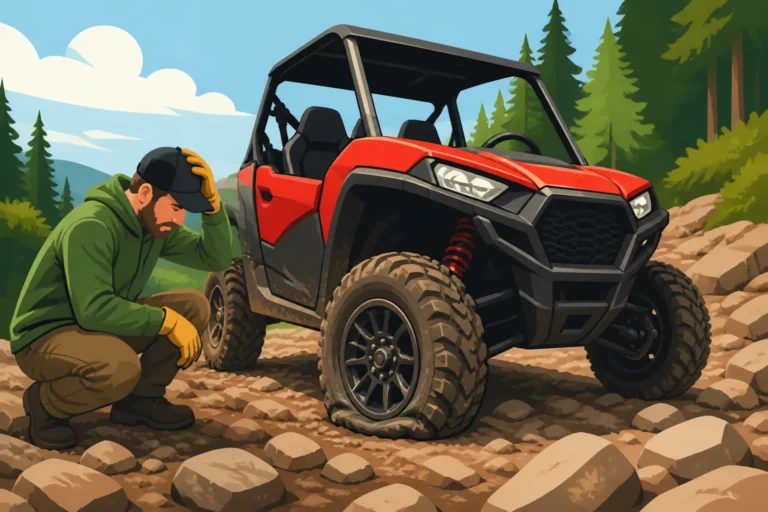
Do a quick machine check before setting out: tires, brakes, lights, fuel, and any loose straps or cargo. If you’re riding with a group, agree on a plan for a breakdown. A basic tool kit and recovery gear appropriate to the machine and conditions can be useful, but don’t attempt a recovery that puts people at risk or damages the trail.
It also helps to set expectations with the group. An afternoon ride is not a race to cover the most ground. Stop if someone is uncomfortable, if visibility gets poor, or if the route no longer matches the plan. A relaxed ride with time to return safely is a better outcome than squeezing in one more trail.
Common planning mistakes to avoid
Assuming every mapped connection is open
A route map can show the shape of a network without telling the whole story about current access. Some connectors may be seasonal, closed, restricted to certain vehicles, or governed by a town ordinance. A path that appears to link two trails may not be an authorized riding route.
Use maps to plan, then confirm details with the relevant local trail or land manager. Read signs as you ride, and don’t continue onto a segment just because it appears on an app. onX Offroad can help you keep track of your location, but posted restrictions and local rules should guide the final decision.
If you’re uncertain about a connection, choose a simpler route. Retracing a known trail may feel less adventurous, but it is often the sensible choice when time is limited or the group includes less experienced riders.
Overestimating how much the group can cover
A route that seems manageable for one rider may feel very different with several machines and mixed experience levels. Stops for regrouping, photos, water, or a minor adjustment all add time. So do difficult trail conditions and busy junctions.
Be particularly cautious when riding with children or guests who aren’t familiar with ATV and UTV trails. Explain hand signals and group spacing before starting, and don’t leave a slower rider behind. If the ride is taking longer than expected, turn around rather than trying to complete the original plan at a rushed pace.
Finally, plan for the return before you start. Know where the trailer or vehicle is parked, keep enough fuel for the route back, and give yourself time to load without feeling pressured. A good afternoon loop should end with the group safely back at the staging area, not scrambling to beat darkness or a closing access point.
Disclaimer
This article is for general informational purposes only and does not constitute professional advice. Laws, prices and regulations vary by location and change over time. Consult a qualified professional for guidance on your specific situation.