Wisconsin Rules for a Child Passenger
Hitting the amazing ATV and UTV trails and routes across Wisconsin with your family is one of life's true joys. But let's be honest, figuring out exactly what the law says about bringing your kids along as passengers can be a real headache. This guide is going to walk you through all the ins and outs of Wisconsin's rules for child passengers on ATVs and UTVs, making sure your family rides safely, legally, and stress-free.
Understanding Wisconsin's General Passenger Rules for ATVs and UTVs
Before we even get into the specifics of kids, it’s crucial to grasp the foundational rules for any passenger on an ATV or UTV in Wisconsin. This isn’t like taking your car for a spin; these machines have very specific design and legal limitations that are paramount for everyone’s safety. Many riders assume if there's a seat, it's good to go, but Wisconsin law has more to say than just that.
When Can You Even Have a Passenger?
First and foremost, whether you can have a passenger at all depends entirely on the design of your machine. An ATV (All-Terrain Vehicle), often called a quad or four-wheeler, is typically designed for a single operator. If your ATV is designed by the manufacturer strictly for one person, that's it – no passengers allowed, regardless of age. This can be a tough pill to swallow for families who just want to share the adventure, but it’s a critical safety regulation. Trying to squeeze an extra person onto a single-rider ATV not only risks fines but, more importantly, severely compromises the machine's balance and handling, especially on uneven terrain or during turns. The stability of an ATV is highly dependent on the operator's ability to shift their weight, and an unexpected passenger can make that impossible, leading to dangerous rollovers.
UTVs (Utility Terrain Vehicles), also known as side-by-sides, are a different story. They are generally designed to carry multiple occupants, sitting side-by-side in bucket seats, much like a car. If your UTV has factory-installed seating for two, three, four, or even six people, then you're usually good to go for those designated spots. The key is "factory-installed." You can't just bolt on an extra seat and call it legal. This distinction is vital for understanding what you can and cannot do when planning a family ride. Always check your owner's manual or the manufacturer's specifications to confirm your machine’s intended capacity.
Designated Seating and Capacity
Wisconsin law is pretty clear: any passenger must be seated in a spot specifically designed and intended for a passenger by the manufacturer. This means footrests, fender racks, or the operator's lap are absolutely off-limits for passengers. For ATVs, if it's a "two-up" model, meaning it's explicitly designed with an extended seat and often separate footrests for a passenger, then it's permissible to carry one passenger. These machines are engineered with a longer wheelbase and often a heavier frame to accommodate the additional weight and maintain stability. Anything less, and you're inviting trouble. [Two Up on a Single-Seat Quad] is a clear violation of this rule.
For UTVs, this rule simplifies a bit because their design inherently includes multiple seating positions. Each passenger must have their own designated seat, complete with seatbelts (if originally equipped), and be able to keep their feet inside the vehicle. You'll often see UTVs with bench seats or individual bucket seats. Each of these seating positions counts towards the vehicle's capacity. Attempting to fit more people than there are designated seats is not only illegal but extremely dangerous. A sudden bump or turn could easily eject an unseated passenger, leading to serious injury. Think of it like a car – you wouldn't let someone ride in the trunk or on someone's lap on the highway, and the same logic, if not stricter, applies to off-road vehicles where conditions are far less predictable.
Specific Regulations for Child Passengers on Wisconsin Trails and Routes
Now let's dive into the rules that specifically apply to our youngest riders. It's not enough that your machine can carry a passenger; there are additional layers of protection and supervision mandated by Wisconsin law when that passenger is a child. These rules are in place to safeguard kids who are often more vulnerable in an off-road environment.
Age Restrictions and Supervision Requirements
Wisconsin has clear guidelines regarding the age of children riding as passengers. For an ATV, a child must be at least 12 years old to ride as a passenger on a two-up model. This age requirement acknowledges that younger children may not have the physical strength or maturity to brace themselves properly, maintain balance, or understand the inherent risks of ATV riding, even as a passenger. The operator of the ATV must be at least 16 years old. If you're considering a traditional single-rider ATV, remember the primary rule: no passengers at all, regardless of age.
For a UTV, the rules are a bit more flexible in terms of age, but supervision remains critical. Children of any age may ride as passengers in a UTV, provided they are seated in a designated seating position and can properly use the vehicle's safety restraints. However, they must be accompanied by an adult who is at least 18 years old. This adult doesn't necessarily have to be the operator, but they must be present in the vehicle. This means you can have your toddler in a UTV, as long as they are properly secured and an adult is supervising. This flexibility allows families to enjoy UTV riding together from a much younger age, which is fantastic, but it places a significant responsibility on the adults to ensure all safety protocols are meticulously followed. [Wisconsin Age Rules for ATVs and UTVs] covers this in more detail.
Additionally, if a child under 18 is operating an ATV or UTV, they have their own set of rules, including safety certification requirements. While this guide focuses on passengers, it’s important to understand the broader context of [Wisconsin ATV Safety Certificate Requirements] and [Supervising a Wisconsin Youth Rider], as these often go hand-in-hand with family rides. A parent or guardian needs to be aware of what a [Parent-Approved Adult Means] in various riding scenarios.
The Importance of Safety Certificates (for young operators, but relevant context)
While a safety certificate isn't required for a child who is only a passenger, it becomes paramount if that child eventually wants to operate the machine themselves. Wisconsin law states that anyone born on or after January 1, 1988, must complete an ATV or UTV safety course to operate on public lands, trails, or frozen waterways. This means if your child, after riding as a passenger for a few years, gets the itch to drive, they'll need to pass this course.
This isn't just about legality; it's about building a foundational understanding of safe operation. Even if they are "just a passenger" now, they are observing everything the operator does. Learning about machine controls, trail etiquette, environmental awareness, and emergency procedures through a formal safety course is invaluable. It instills a sense of responsibility and prepares them for future safe riding. Many families choose to take the course together, even if only one person needs it, to reinforce good habits across the board. The knowledge gained from these courses can also help child passengers understand why certain maneuvers are performed, how to anticipate movements, and generally contribute to a safer riding experience.
Essential Safety Gear and Machine Setup for Young Riders
Beyond the legal requirements, there’s a moral obligation to ensure our children are as safe as possible when riding. Off-road environments are unpredictable, and while we can't eliminate all risks, we can significantly mitigate them through proper gear and machine preparation. This is where your personal investment in safety truly shines.
Helmets, Eye Protection, and Proper Apparel
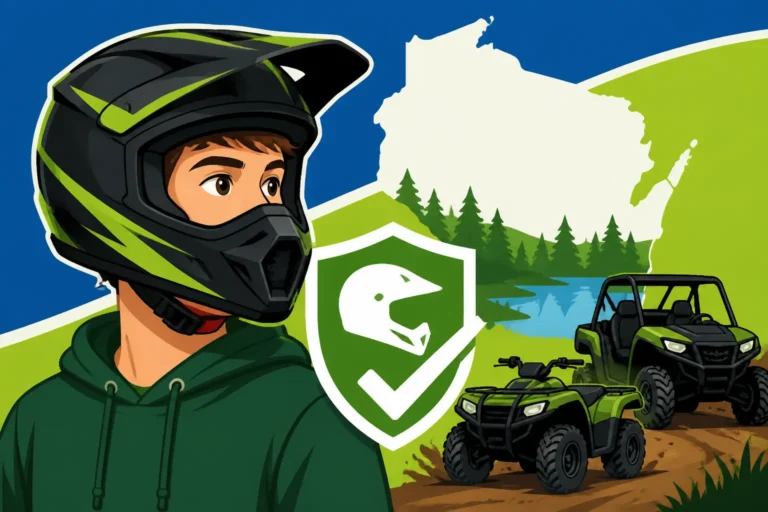
This is non-negotiable, folks. For all riders and passengers under the age of 18, a U.S. DOT-approved helmet is required in Wisconsin, regardless of the machine type (ATV or UTV). This isn't just a suggestion; it's the law, and it's there for a reason. Head injuries are devastating, and a proper helmet can be the difference between a scary moment and a life-altering event. Make sure the helmet fits snugly, not wobbling, and is secured with the chin strap. Don't skimp here; buy the best helmet you can afford for your child. [Wisconsin Helmet Rules for Riders Under 18] provides all the specifics.
Eye protection is equally critical. Whether it's goggles or a full-face helmet with a visor, your child's eyes need to be shielded from dust, branches, insects, and kicked-up debris. A branch to the eye at speed is not something you want to experience. [Eye Protection for a Wisconsin Passenger] is a must-read. Beyond head and eye protection, proper apparel includes long pants, long sleeves, sturdy over-the-ankle boots, and gloves. These items protect against scrapes, cuts, and minor impacts, and also guard against sun exposure and insect bites. Think about layering for comfort and adaptability to Wisconsin's often-changing weather. Avoid loose clothing that could get snagged.
Securing Your Child Passenger: Belts, Nets, and Child Seats
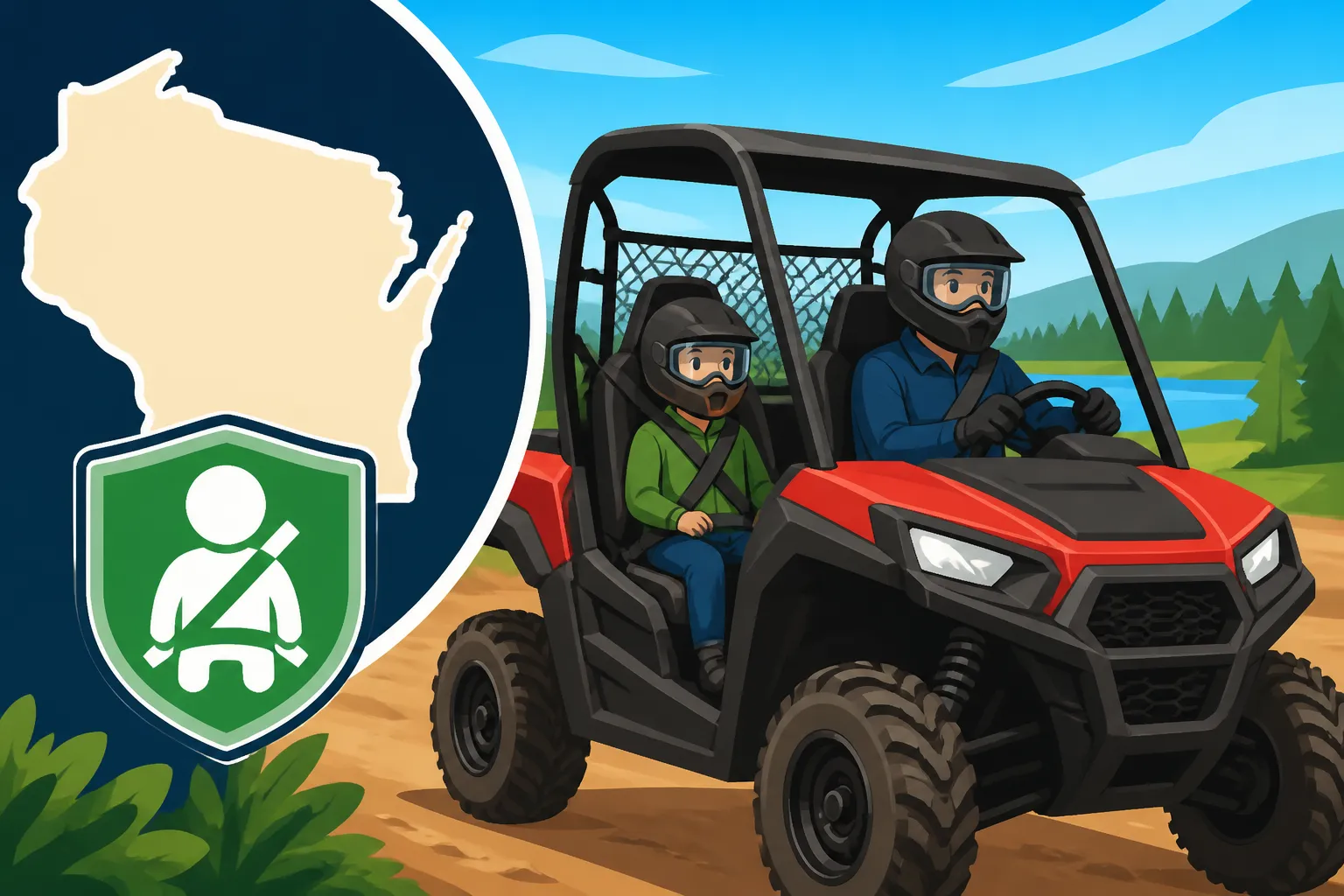
For UTVs, every passenger, including children, must use the vehicle's installed seatbelts. These are designed to keep occupants contained within the vehicle during sudden stops, bumps, or rollovers. If your UTV has side nets or doors, ensure they are properly secured before moving. These aren't just for show; they provide an extra layer of containment, preventing arms, legs, or even an entire person from being ejected. Many UTVs, especially newer models, come with robust safety features, but it's up to you to use them.
For younger children in UTVs, sometimes the factory seatbelts might not provide an ideal fit, especially if the child is very small. In these cases, consider aftermarket child restraints or booster seats specifically designed for off-road vehicles. Brands like SuperATV offer various accessories including harnesses and seating solutions that can provide a more secure fit for smaller passengers, preventing them from being jostled around excessively or slipping out of a standard belt. Always ensure any aftermarket accessory you use is properly installed and doesn't interfere with the vehicle's original safety features or create new hazards.
For two-up ATVs, the passenger's role is more active. They need to hold onto the operator or designated grab handles and keep their feet firmly on the passenger footrests. They also need to be able to lean with the operator through turns. This is why the 12-year-old age minimum for ATV passengers is so important – it presumes a certain level of physical capability and understanding of how to actively participate in the ride's safety. Make sure the grab handles are sturdy and within easy reach for your child.
Making Family Riding Safe and Enjoyable in Wisconsin
Riding with children isn't just about following rules; it's about fostering a culture of safety and enjoyment. A little extra planning and conscious effort can transform a potentially stressful ride into cherished family memories. It’s about building good habits from the ground up, ensuring that every time you hit the trails, everyone knows their role and understands the importance of safety.
Pre-Ride Checks and Route Selection
Before every ride, conduct a thorough inspection of your ATV or UTV. Check tires, brakes, lights, fluid levels, and ensure all safety equipment, especially seatbelts and harnesses, are in good working order. Pay particular attention to your child’s helmet and eye protection fit. Is it still snug? Are the straps adjusted correctly? Kids grow fast, and gear needs regular re-fitting.
When planning your route, consider the experience level and comfort of your child passenger. Start with easier, smoother trails or designated [Wisconsin Road Routes] that offer predictable terrain. Avoid overly aggressive or technical trails when children are aboard. The goal is to build confidence and make the experience fun, not terrifying. Look for trails that have plenty of scenic stops, allowing for breaks, snacks, and opportunities to stretch legs and enjoy nature. Many [Wisconsin County Forest Trail Systems] offer a range of difficulty, making it easier to pick suitable paths. Remember, a long, bumpy, or dusty ride can quickly turn a fun outing into a miserable one for a child. Consider the weather, too – avoid extreme heat or cold, which can quickly lead to discomfort or even dangerous conditions for younger passengers.
Teaching Safe Riding Habits Early
Riding with children is an excellent opportunity to teach them about safety and responsible off-road recreation. Talk to them before the ride about what to expect, how they should sit, where to hold on, and the importance of keeping their arms and legs inside the vehicle (for UTVs). Explain why you're wearing helmets and why certain rules exist. Make it a conversation, not a lecture.
Encourage them to point out hazards they see on the trail, like branches, rocks, or other riders. This engages them in the safety process and helps them develop a keen eye for the environment. Teach them about trail etiquette, like yielding to other users, staying on marked trails, and respecting private property. Even as passengers, they are part of the riding community. This early education will serve them well if they decide to become operators themselves. Consider investing in resources from SuperATV or other reputable brands, such as youth-specific riding guides or accessories that can enhance their understanding and comfort on the machine. Creating a positive and educational experience sets the stage for a lifetime of safe and enjoyable outdoor adventures in the beautiful Wisconsin landscape.
Disclaimer
This article is for general informational purposes only and does not constitute professional advice. Laws, prices and regulations vary by location and change over time. Consult a qualified professional for guidance on your specific situation.