Warden Enforcement on Wisconsin Routes
That sudden flash of red and blue lights in your rearview mirror when you’re out enjoying a ride on a Wisconsin ATV or UTV route can make anyone’s heart skip a beat. It’s a moment often filled with a mix of surprise, a quick mental checklist of your compliance, and perhaps a touch of anxiety. This guide is here to demystify what happens when Wisconsin DNR wardens are patrolling our beloved road routes, what they’re looking for, and how you can ensure your ride is always by the book.
Understanding the Warden's Role on Wisconsin's ATV/UTV Routes
When you think of a Wisconsin Department of Natural Resources (DNR) warden, your mind might jump to hunting and fishing regulations, tracking poachers, or ensuring anglers have their licenses. And you wouldn't be wrong. But their role extends far beyond the woods and waters, especially with the explosion of ATV and UTV use on designated routes and trails across our beautiful state. These dedicated professionals play a crucial part in maintaining order, safety, and the long-term viability of our off-highway vehicle (OHV) recreational opportunities.
More Than Just Game Wardens: Their Broader Authority
Wisconsin DNR wardens are fully credentialed law enforcement officers with broad authority, not just limited to wildlife. They are empowered to enforce all state laws, including those pertaining to traffic, property, and, of course, the specific regulations governing ATVs and UTVs. This means that when you're operating your machine on a public road route, they can pull you over for speeding, reckless operation, or anything else a county sheriff or local police officer might enforce. It's a common misconception that they only care about conservation, but when it comes to OHVs, their jurisdiction is wide-ranging. They’re tasked with ensuring that riders are operating their machines safely and respectfully, protecting both the riders themselves and the communities and natural resources they share.
Their presence on ATV/UTV routes is a testament to the increasing popularity of the sport and the need to integrate it safely into the existing road infrastructure. These routes often crisscross through residential areas, agricultural lands, and even bustling small towns. The warden's job is to ensure that riders understand and adhere to the rules that make this shared use possible. They're not just looking for a specific type of violation; they're assessing overall compliance and responsible operation, from the moment you fire up your engine to the way you interact with other road users.
Why Wardens Focus on ATV/UTV Routes
You might wonder why wardens seem particularly visible on ATV/UTV routes rather than just remote trails. The simple answer is accessibility and impact. Road routes, by their very nature, bring OHVs into closer contact with the general public, other vehicles, and established communities. This increased interaction necessitates a higher level of oversight to manage potential conflicts and ensure safety. Wardens focus on these routes to proactively address issues that could jeopardize the privilege of riding in these areas.
They are often responding to community concerns about noise, speed, and careless operation, which, if left unchecked, could lead to towns reconsidering their decision to open roads to ATVs and UTVs. Protecting access for riders is a significant part of their mission. If riders consistently disregard rules, it erodes public trust and can result in restrictions or closures. Wardens are also uniquely positioned to educate riders about specific local ordinances, which can vary greatly from one town or county to another. Understanding [Municipal Ordinances Wisconsin Riders Must Read] is key to a smooth ride. Their presence acts as both a deterrent to illegal behavior and an educational resource for those who might not be fully aware of all the regulations. Ultimately, their enforcement efforts help preserve the very routes that allow us to enjoy our machines, ensuring that the privilege isn't lost due to a few bad actors.
The Difference Between a Warden and Local Law Enforcement
While both DNR wardens and local police or sheriff's deputies have the authority to enforce ATV/UTV laws on road routes, there are subtle differences in their primary focus and jurisdiction. A local deputy might be called to a specific incident, like a complaint about noise or reckless driving, as part of their general duties. A DNR warden, however, often conducts patrols with a specific eye toward recreational vehicle compliance, trail maintenance, and the overall health of the OHV program. They tend to have a deeper and more specialized knowledge of the complex web of state statutes and DNR administrative codes that govern ATVs and UTVs.
This specialized knowledge means wardens are exceptionally adept at spotting subtle violations related to registration, safety equipment, or environmental impact that a general patrol officer might overlook. They also often work closely with local ATV/UTV clubs, trail coordinators, and county foresters, understanding the nuances of local trail systems and road route designations. While you should always comply with any law enforcement officer, understanding that a warden's perspective is steeped in the specifics of recreational use can help you appreciate their approach. They are often just as passionate about protecting the resource and ensuring responsible recreation as you are, and their enforcement actions are often aimed at safeguarding the future of riding in Wisconsin.
Common Violations Wardens Look For
When a warden pulls you over on a Wisconsin ATV or UTV route, they're not just making a random stop. They’ve likely observed something that caught their eye, or they might be conducting a routine checkpoint to ensure general compliance. Knowing what they typically scrutinize can help you prepare and avoid common pitfalls. Many of these issues are easily preventable with a bit of foresight and adherence to the rules.
Registration and Decal Issues
One of the first things a warden will look for, even from a distance, is proper [Sticker Placement on a Wisconsin Machine]. They need to see a current, valid registration decal affixed correctly. This is your machine’s "license plate" in the off-road world, and it needs to be clearly visible. It’s a surprisingly common violation because decals can fade, peel, or simply be forgotten when a new registration comes in. Riders often think "out of sight, out of mind," but wardens are trained to spot these discrepancies quickly.
Beyond the physical decal, they will also verify the registration itself. Is it current? Does the VIN on the registration card match the VIN on your machine? Are you using a public use registration where it’s required, or a private use one on public routes? If you've recently purchased a machine, ensuring the [Transferring a Wisconsin Registration Within Ten Days] is processed promptly is critical. Wardens understand that mistakes happen, but operating an unregistered or improperly registered machine on a public route is a clear violation. They'll also typically ask to see your registration card, so having it readily accessible – not buried at the bottom of a cooler – is always a good idea. [What a Wisconsin Warden Asks a Rider For] almost always includes that card.
Safety Gear and Age Restrictions
Safety is paramount on Wisconsin’s ATV/UTV routes, and wardens rigorously enforce rules designed to protect riders. This includes checking for compliance with helmet laws, particularly for younger riders. [Wisconsin Helmet Rules for Riders Under 18] are very specific: anyone under 18 must wear a DOT-approved helmet. It doesn't matter if they're driving or just a passenger; the rule applies. Wardens also verify age restrictions for operators. A 12-year-old can ride an ATV with a safety certificate, but they cannot operate a UTV on a public route until they are 16. [Wisconsin's Rule for Riders Aged 12 to 15] on ATVs involves both age and certification.
Furthermore, wardens will look at the number of passengers and whether the machine is designed to carry them. Riding two-up on a single-seat quad is a definite no-no and incredibly dangerous. For UTVs, they'll check that all passengers are wearing seatbelts and that the machine's capacity isn't exceeded. These rules aren't arbitrary; they're the result of years of accident data and a commitment to keeping everyone safe. Getting caught without the proper safety gear or with an underage, uncertified driver isn’t just a fine; it’s putting yourself and others at serious risk.
Equipment Compliance: Lights, Mufflers, and Spark Arresters
Your machine's equipment needs to meet specific standards to be legally operated on Wisconsin's routes. Wardens pay close attention to things like lighting, especially if you're riding around dusk or after dark. You need proper headlights and taillights that are functional and visible. Many riders choose to upgrade their lighting for better visibility on the trails, and aftermarket solutions from companies like SuperATV can significantly improve your setup, but always ensure they meet state requirements.
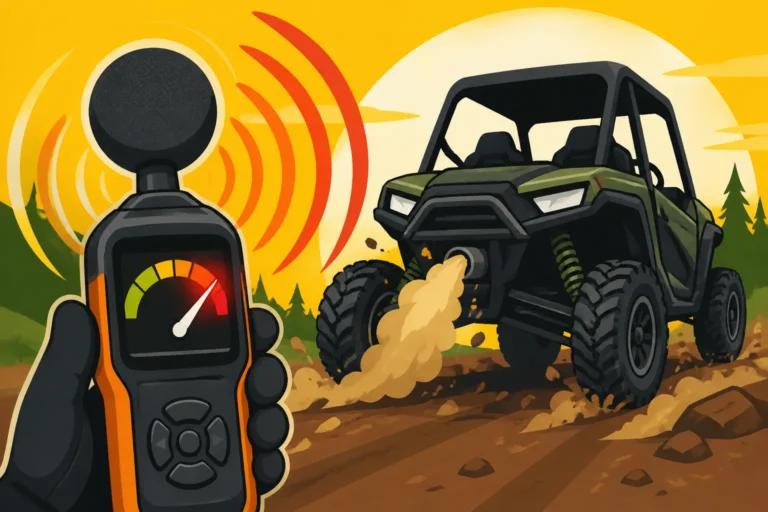
Mufflers and spark arresters are also under scrutiny. Wisconsin has a strict [96-Decibel Sound Test in Wisconsin] limit, and wardens are equipped to enforce it. Aftermarket exhaust systems that are too loud can lead to citations and are a common source of complaints from residents along road routes. If you’ve modified your exhaust, make sure it's compliant. Spark arresters are also crucial, especially when riding in dry conditions, to prevent wildfires. If your machine doesn't have one, or if it's been tampered with, you could face a significant penalty. These equipment checks are about being a good neighbor and protecting our natural resources, not just following a rule for the sake of it.
Here's a quick look at some common violations wardens address:
| Violation Type | What the Warden Checks For | Common Rider Misconception |
|---|---|---|
| Registration | Valid, current registration decal and card; matching VINs | "I just bought it, haven't transferred yet." or "It's expired, but I sent in the renewal." |
| Safety Gear | Helmet for under-18, seatbelts in UTVs, proper passenger numbers | "We're just going a short distance." or "My kid is a good rider, doesn't need a helmet." |
| Age Restrictions | Operator's age for ATV/UTV, safety certificate for born on/after 1988 | "My teenager can handle a UTV, it's safer than an ATV." or "My parents taught me how to ride, I don't need a course." |
| Equipment | Functional lights, 96-decibel exhaust limit, spark arrester | "Loud pipes save lives." or "My aftermarket exhaust is fine, it sounds cool." |
| Operating Rules | Speed limits, reckless driving, open intoxicants, proper crossing | "These roads are open, so I can go as fast as I want." or "It's just a beer, I'm not driving a car." |
What to Expect During an Encounter with a Warden
Even if you’re doing everything by the book, getting pulled over can be a little unsettling. The key to a smooth encounter with a Wisconsin DNR warden is understanding the process, knowing your responsibilities, and maintaining a respectful demeanor. Remember, these interactions are generally about education and safety, not just issuing penalties.
The Stop: Knowing Your Rights and Responsibilities
When a warden signals you to stop, whether with lights, siren, or a hand signal, pull over immediately and safely to the right side of the route, out of the flow of traffic. Turn off your engine, if possible, and keep your hands visible. This immediate compliance shows respect and helps de-escalate any potential tension. Just like with any other traffic stop, you have the right to remain silent, but you are generally required to provide identification and documentation.
Your responsibilities include following lawful commands and providing the requested paperwork. Do not argue or become confrontational. If you feel a command is unlawful or you disagree with an assessment, address it politely and calmly. The route side is not the place for debate. If you truly believe your rights are being violated, note the details and address it through official channels later. Remember, a calm and cooperative attitude can often lead to a more positive outcome, even if you do receive a warning or citation.
Providing Documentation and Cooperation
Once you've stopped, the warden will approach and explain why they pulled you over. They will typically ask for your identification (driver’s license or state ID), your ATV/UTV registration card, and proof of any required safety certification. If you’re a non-resident, they might also ask about your [Wisconsin's Non-Resident Trail Pass]. Having these documents readily accessible – perhaps in a waterproof pouch on your machine or in a secure pocket – will make the process much quicker.
Answer their questions honestly and directly. Avoid making excuses or fabricating stories; wardens are experienced and can often tell when someone isn't being truthful. If you're unsure about an answer, it's okay to say so. If they ask to inspect your machine, such as checking your VIN, muffler, or spark arrester, you should cooperate. These inspections are part of their duty to ensure compliance. A smooth, respectful interaction benefits both you and the warden, getting you back on your ride sooner.
Dealing with Citations and Warnings
After their assessment, a warden may issue a warning, a citation, or sometimes both. A warning is a verbal or written notification of a minor violation, often given when the offense is minor, you cooperate fully, and you demonstrate a willingness to correct the issue. Consider a warning a valuable educational opportunity.
If you receive a citation, it means you're being formally charged with a violation. The citation will detail the offense, the applicable statute, and the associated fine. You have several options:
- Pay the fine: For many minor violations, you can simply pay the fine by the due date. This usually means you’re admitting guilt.
- Contest the citation: If you believe you were wrongly cited, you have the right to appear in court to challenge it. The citation will have instructions on how to do this. Be prepared to present your case, as the warden will also be there to present theirs. Understanding [Fighting an ATV Citation in Wisconsin] is important if you choose this route.
- Correct the issue: In some cases, especially for equipment violations, correcting the problem (e.g., getting proper lights, replacing a loud muffler) might influence the court’s decision if you contest the ticket.
Regardless of the outcome, always remain polite. Harassing or arguing with a warden will not change the situation and could lead to further charges. Accept the outcome, learn from the experience, and ensure you're fully compliant for future rides.
Avoiding Trouble: Proactive Steps for Riders
Nobody wants to cut short a beautiful day of riding with a warden interaction, especially if it leads to a citation. The good news is that most violations are easily avoidable with a little planning and attention to detail. Being proactive not only keeps you compliant but also contributes to the positive image of ATV/UTV riders in Wisconsin.
Pre-Ride Checks and Route Planning
Before you even hit the trails or routes, make it a habit to perform a thorough pre-ride check. This isn't just about mechanical safety; it’s about compliance. Check your registration decal – is it current, clean, and securely affixed? Make sure your headlights, taillights, and brake lights are all working perfectly. Test your horn. Confirm your muffler is securely in place and hasn't been modified beyond legal limits. Ensure your spark arrester is intact. This is also a great time to ensure all your safety gear is in working order.
Beyond your machine, plan your route. Know where you're going and what the rules are for those specific areas. [Riding an ATV on a Wisconsin Road Route] can involve different ordinances from one town to the next. Some towns might have specific hours of operation, speed limits that differ from the posted car speed, or even unique requirements like additional insurance. Use reliable maps, check county and local DNR websites for updates, and confirm the status of trails and routes, especially during seasonal changes.
Staying Informed on Local Ordinances
Wisconsin's ATV/UTV route system is a patchwork of state laws, county ordinances, and town regulations. What's perfectly legal in one county might be prohibited in an adjacent one. This can be incredibly frustrating for riders, but it's our responsibility to stay informed. A quick search of the specific town or county website you plan to ride in can often yield their ATV/UTV ordinances. Local clubs are also fantastic resources for understanding the nuances of local rules.
Consider specific scenarios: Does the town you're riding through require extra insurance beyond state minimums? Are there specific areas where ATVs/UTVs are prohibited, even if the main route is open? What are the local speed limits for OHVs, which might be lower than the posted limit for cars? By understanding these hyper-local rules, you can navigate routes confidently, avoid accidental violations, and demonstrate respect for the communities that host us. This due diligence is crucial for maintaining the good standing of the riding community.
The Importance of a Safety Course
For many riders in Wisconsin, taking an ATV or UTV safety course isn't just a good idea; it's a legal requirement. If you were born on or after January 1, 1988, you must possess an ATV safety certificate to operate an ATV on public lands, including road routes. For UTVs, the age requirement is 16, with a safety course also required for those born on or after January 1, 1988, to operate on public routes. This [Wisconsin ATV Safety Certificate Requirement] is a fundamental pillar of rider safety.
Beyond the legal mandate, these courses provide invaluable knowledge, even for experienced riders. They cover everything from basic machine operation and maintenance to advanced riding techniques, environmental ethics, and, crucially, a detailed breakdown of Wisconsin’s laws and regulations. Knowing these rules intimately reduces your chances of an accidental violation and enhances your overall safety. Investing the time in a safety course is an investment in your riding future, ensuring you're not only legal but also well-equipped to handle any situation on the route.
The Impact of Enforcement on Trail Safety and Access
Warden enforcement isn't just about catching offenders; it's a critical component in ensuring the longevity and quality of our riding experiences. When rules are consistently enforced, it creates a safer environment for everyone and helps protect the future of ATV and UTV recreation in Wisconsin. It's a symbiotic relationship where compliance directly impacts access.
How Enforcement Protects Riders and Resources
The rules enforced by wardens are not arbitrary; they are designed to protect you, your fellow riders, and the natural environment we all cherish. Speed limits, for instance, aren't there to make your ride less fun, but to reduce the risk of collisions, especially on shared road routes or blind corners. Helmet and age restrictions are direct responses to accident statistics, aiming to minimize severe injuries. [Wisconsin Helmet Rules for Riders Under 18] are a prime example of this protective mandate.
Enforcement also plays a vital role in preserving the physical resources—the routes and trails themselves. Rules against riding off designated routes, for example, prevent erosion, damage to sensitive habitats, and conflict with landowners. Wardens ensure that everyone adheres to these guidelines, which in turn means these beautiful areas remain open and accessible for years to come. Without this oversight, unregulated riding could quickly lead to environmental degradation and eventual closures, impacting everyone's ability to ride.
Community Relations and Route Sustainability
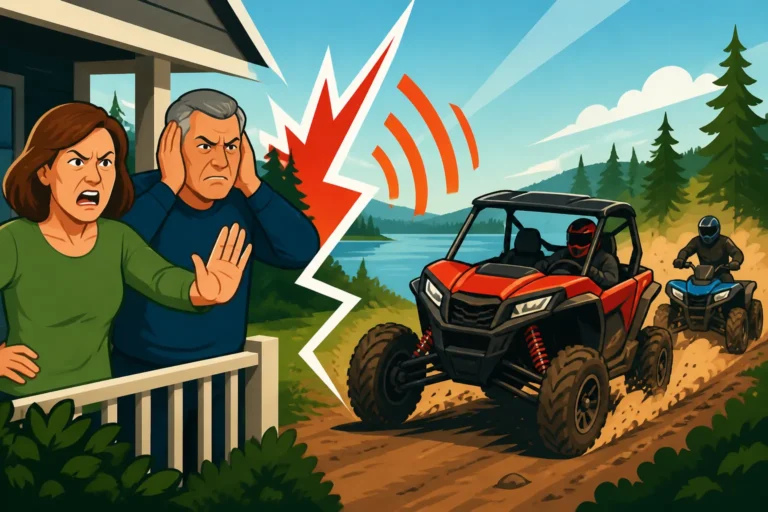
One of the biggest challenges for ATV/UTV recreation is maintaining positive relationships with the communities that allow routes to pass through their towns and along their roads. Noise, dust, speeding, and reckless behavior can quickly turn local residents against OHV use, leading to petitions for route closures or stricter ordinances. Wardens, through their enforcement efforts, help manage these issues.
When wardens address complaints about excessive noise from loud exhausts or enforce speed limits through residential areas, they are directly contributing to the sustainability of the route system. Their presence reassures residents that rules are being upheld and that their quality of life is being considered. Riders who understand and respect these community concerns, supported by consistent enforcement, foster a better environment for everyone. It's about being good guests in these communities, ensuring that towns continue to see the value in opening their roads to riders.
Reporting Violations and Contributing to Safety
As riders, we all have a role to play in maintaining safety and compliance on Wisconsin's routes. If you witness illegal or unsafe activity – such as reckless driving, riding off-route, or operating under the influence – you have the option to report it. Contacting the DNR or local law enforcement can help address issues that wardens might not see during their patrols. This isn't "snitching"; it's contributing to the health and safety of the sport we love.
When you report a violation, you're helping to protect the reputation of the riding community, prevent accidents, and safeguard access for everyone. The DNR also welcomes information about environmental damage or unauthorized trail creation. By being observant and responsible, we can all work together with wardens to ensure that Wisconsin remains a premier destination for ATV and UTV enthusiasts, where everyone can ride safely and respectfully.
Special Circumstances and Common Misconceptions
There are a few areas where confusion sometimes arises regarding warden enforcement on Wisconsin ATV/UTV routes. Clearing up these misconceptions can help riders feel more confident and avoid unexpected trouble. It's about understanding the nuances of the law and the warden's authority.
Wardens on Private Land vs. Public Routes
A common question riders have is whether a warden can stop them on private land. The answer is generally no, unless specific circumstances apply. Wardens primarily enforce laws on public lands, designated trails, and road routes. However, if a warden has probable cause to believe a crime or violation has occurred on private land (e.g., trespassing, operating under the influence, or a reported incident) or if they are called onto private property by the landowner, their authority may extend there. Also, if you ride from private land onto a public route illegally, they certainly have the authority once you're on the public access.
The key distinction is public versus private property and the presence of public access. If you're riding your machine exclusively on your own private land, completely disconnected from public trails or routes, a warden typically has no jurisdiction unless called in for a specific violation. However, the moment your wheels touch a designated route, trail, or even a public easement that grants access to such, you are subject to public land rules and warden enforcement. This is why many riders with larger properties opt for [Registering a Machine That Never Leaves Your Land] as a private use registration, but even that must be used strictly on private property.
Alcohol and Impaired Riding: A Serious Offense
Just like operating a car, operating an ATV or UTV while under the influence of alcohol or drugs is illegal and carries severe penalties in Wisconsin. Wardens are highly vigilant about impaired driving on routes and trails. [Wisconsin Alcohol Limits for ATV Operators] are the same as for operating a motor vehicle: a blood alcohol concentration (BAC) of 0.08% or higher. For anyone under 21, any detectable alcohol in their system can lead to a citation.
The consequences of an OWI (Operating While Intoxicated) on an ATV or UTV can be devastating, including hefty fines, loss of riding privileges, and even jail time. Beyond the legal ramifications, impaired riding dramatically increases your risk of a serious accident, endangering yourself, your passengers, and anyone else on the route. Wardens are trained to spot signs of impairment, and they won't hesitate to investigate if they suspect a rider is under the influence. It’s simply not worth the risk. Keep the celebration for after the ride, at camp, or at a local establishment, not on the machine.
How Enforcement Supports Trail Grant Programs
Many riders might not realize the direct link between warden enforcement and the funding that supports our extensive trail and route systems. Wisconsin operates a robust ATV/UTV Trail Aids Program, funded in part by registration fees and non-resident trail passes. These funds are distributed as grants to counties, towns, and clubs to develop, maintain, and sign routes and trails. A thriving and compliant riding environment is essential for these grants.
When wardens enforce rules, they help to demonstrate that the OHV community is responsible and deserving of public funds and access. Fewer incidents, accidents, and complaints mean a stronger case for continued investment in trail infrastructure. [Wisconsin Trail Aids and Registration Revenue] directly benefit from a well-regulated and respected riding community. The data collected from enforcement actions, including citations and warnings, helps inform policy decisions and grant allocations. So, every time a warden ensures compliance, they are indirectly contributing to the very trails and routes you enjoy. It’s a full-circle system that relies on everyone playing by the rules.
Disclaimer
This article is for general informational purposes only and does not constitute professional advice. Laws, prices and regulations vary by location and change over time. Consult a qualified professional for guidance on your specific situation.