Inheriting an ATV in Wisconsin
Losing a loved one is an incredibly difficult time, filled with grief, emotional upheaval, and unfortunately, a mountain of practical tasks that can feel overwhelming. Among the many details that need sorting, you might find yourself looking at an all-terrain vehicle (ATV) or utility terrain vehicle (UTV) that belonged to the deceased, wondering what steps you need to take to legally claim it, sell it, or simply use it yourself. This guide will walk you through the often-confusing process of inheriting an ATV or UTV in Wisconsin, helping you understand the paperwork, the state's unique registration system, and how to navigate the transfer of ownership without adding more stress to an already challenging period.
Understanding Wisconsin's Unique Approach to ATV "Titles"
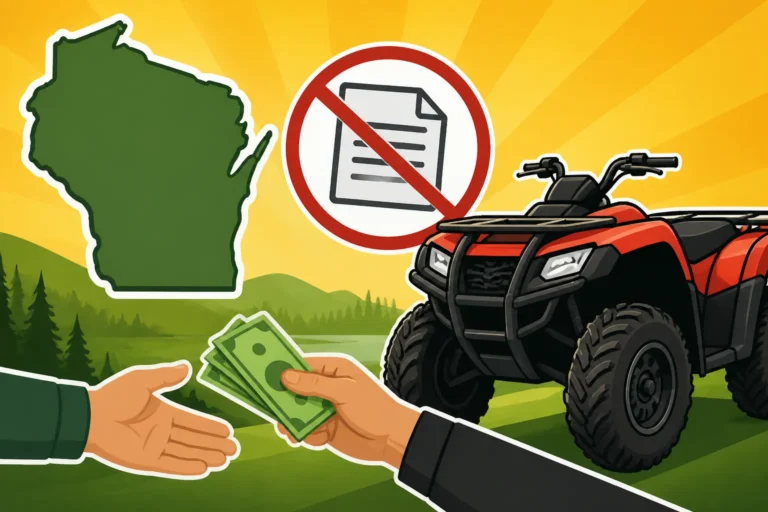
One of the first things many people discover when dealing with inherited vehicles in Wisconsin, especially ATVs and UTVs, is that the state doesn't issue traditional vehicle titles for these machines. This can be a real head-scratcher if you're used to cars or trucks having a definitive "pink slip" of ownership. You might be thinking, "How on earth do I prove this machine is mine if there's no title to transfer?"
Instead of a title, Wisconsin relies primarily on the registration card issued by the Department of Natural Resources (DNR) as the key document for ownership and transfer. While a bill of sale can also serve as proof of purchase, the registration is what the state recognizes for official purposes. This distinction is absolutely crucial when you're trying to figure out what to do with an inherited machine. It means you won't be looking for a separate title document like you would for a car; your focus will be on transferring the existing DNR registration from the deceased owner to the new owner. Understanding [Why Wisconsin Does Not Title ATVs] is a fundamental step in making sense of the process.
This unique system can sometimes make things feel a bit less straightforward, as there isn't one single document that unequivocally proves ownership in the same way a title does. Instead, it’s a combination of the registration card, any bill of sale the deceased might have had, and crucially, the legal documents related to the deceased person’s estate. When you go to transfer the machine, you’ll be essentially linking these pieces of information together to establish your right to the ATV.
The Estate Process and Inheriting an ATV
When someone passes away, their assets, including their ATV or UTV, become part of their estate. How that estate is handled dictates the steps you’ll need to take to transfer the machine. This isn't just about handing over a key; it's about legal recognition of the new owner.
If There’s a Will and Probate is Involved
If the deceased left a valid will, and that will specifies who is to inherit the ATV, the process typically goes through the probate court. Probate is the legal process of proving the will and distributing the deceased person's assets according to their wishes.
- Executor's Role: The person named as the executor in the will is responsible for managing the estate. Their duties include identifying all assets, paying off any debts, and distributing the remaining property to the beneficiaries as outlined in the will. If you are the executor, you'll be the one coordinating the ATV transfer.
- Court Orders: Once the probate court approves the distribution of assets, it will issue orders confirming who inherits the ATV. This court order, along with the death certificate and the deceased's original registration card (if available), will be your primary documentation for transferring the ATV into your name.
- Completing the DNR Transfer: With the necessary court documents in hand, you'll need to complete a Wisconsin DNR ATV/UTV registration form. On this form, you'll indicate that the transfer is due to inheritance. You'll typically submit the death certificate and a copy of the court order as proof of your right to the machine. This is a crucial step in the [Wisconsin DNR ATV Registration Explained].
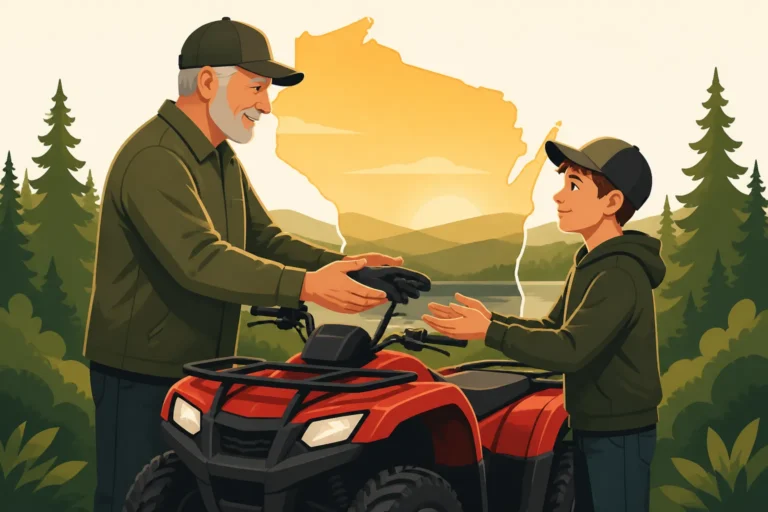
Imagine your Aunt Carol, a passionate trail rider, passed away and her will clearly states that her beloved Polaris Ranger goes to you, her nephew who often rode with her. As the executor, your cousin processes the will through probate. Once the court issues the order confirming you as the inheritor of the Ranger, you'd take that order, Aunt Carol's death certificate, and her old registration card to the DNR or an authorized registration agent. This paper trail legally proves you're the rightful new owner.
If There’s No Will Intestate Succession
Things can get a little more complicated if the deceased didn’t leave a will. This situation is known as dying "intestate." In Wisconsin, when there's no will, state law dictates how assets are distributed among the closest living relatives. This is called intestate succession.
- Wisconsin's Intestacy Laws: Generally, if there's a surviving spouse, they typically inherit everything. If there's no spouse, children usually inherit. If neither, then parents, siblings, and so on down the line. It's a set pecking order.
- Affidavit of Heirship: In some cases, particularly for smaller estates that might not require full probate, an "affidavit of heirship" can be used. This is a legal document signed by one or more people who swear under oath that they know the deceased, that the deceased left no will, and that they list all the legal heirs according to state law. This document identifies who has the legal right to the ATV. Legal document platforms like LawDepot offer templates for such affidavits, which can be helpful if you need to formalize heirship without full probate.
- Probate Court Involvement: Even without a will, the estate might still go through probate, especially if there are significant assets or disagreements among heirs. The court will then determine the legal heirs and issue orders for asset distribution, similar to when there’s a will. It's all part of [Wisconsin Estate Paperwork for a Machine].
Let's say your Uncle Bill passed away suddenly, and he didn't have a will. He owned a Kawasaki Brute Force that he kept up north. His only living relatives are you and your two siblings. According to Wisconsin's intestacy laws, the ATV might be considered jointly owned by all three of you. To simplify, you might agree that one sibling takes the ATV, and the others receive an equivalent value from other assets. An affidavit of heirship, perhaps drafted using a reliable resource like LawDepot, could document this agreement and present it for the transfer, along with the death certificate.
Small Estates and Simplified Processes
Wisconsin law does allow for simplified probate procedures for small estates, which can sometimes be applicable if the total value of the deceased's assets falls below a certain threshold. While this usually applies to the entire estate, it can indirectly streamline the transfer of an ATV.
- When It Applies: If the total value of the deceased's property subject to probate is low enough, you might be able to use a simplified affidavit procedure to transfer assets without a full court process. This is something to discuss with an estate attorney, as the rules are specific.
- Documentation: Even in a simplified process, you'll still need the death certificate and some form of legal documentation (like an affidavit of heirship, potentially sourced from LawDepot, or a court order for summary assignment) that clearly identifies you as the rightful inheritor.
Gathering Your Documents for Transfer
Regardless of whether probate is involved or a will exists, you'll need a specific set of documents to successfully transfer the ATV or UTV registration. Having these ready will make the process much smoother, whether you're dealing with the DNR directly or using a registration agent.
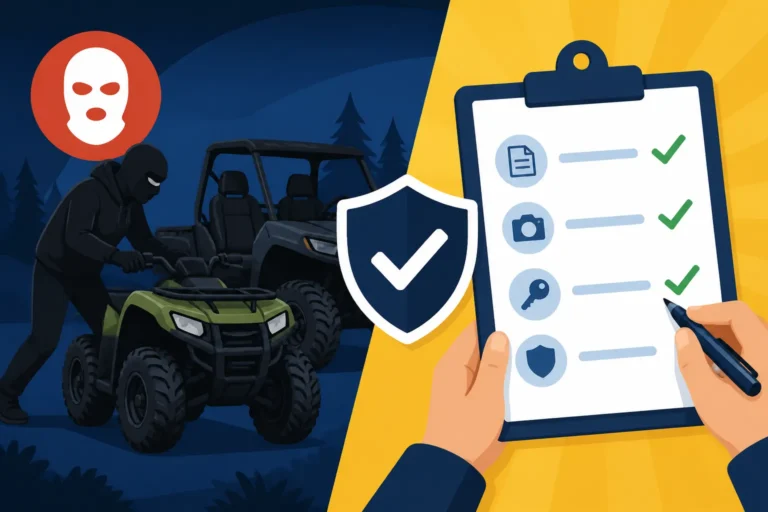
Here's a checklist of what you'll typically need:
- Certified Copy of the Death Certificate: This is non-negotiable proof that the previous owner has passed away.
- Original Wisconsin ATV/UTV Registration Card: If you can find it, this is the most direct proof of the machine's previous registration. It contains crucial information like the VIN, the previous owner's name, and the registration number. Even if it's expired, it's still valuable.
- Bill of Sale (if available): If the deceased had a bill of sale from when they originally purchased the machine, keep it. While not strictly required for an inherited transfer, it provides additional ownership history and details.
- Will or Probate Court Orders: If there was a will, a copy of the will itself and any court orders confirming asset distribution are essential. If there was no will but probate occurred, the court orders determining heirship are required.
- Affidavit of Heirship (if applicable): If you're using this document to establish heirship in a non-probate or small estate scenario, make sure it's properly executed and notarized. Remember, resources like LawDepot can assist with generating these documents correctly.
- Wisconsin DNR ATV/UTV Registration Application Form: You'll need to fill this out with your information as the new owner.
Gathering these items might take some time, especially during a period of mourning. Don't feel rushed. These documents form the backbone of your claim to the inherited machine and will be requested when you finalize the transfer. For additional clarity on what to prepare, you might consult [Documents a Wisconsin Agent Wants].
Completing the Registration Transfer
Once you have all your ducks in a row with the legal documentation, the actual transfer of the ATV or UTV registration is the final hurdle. This is where you officially put the machine in your name with the state of Wisconsin.
Filling Out the DNR Form
The Wisconsin Department of Natural Resources (DNR) provides specific forms for ATV and UTV registration. You'll need to complete this form with your personal details as the new owner. Crucially, there will be sections where you indicate the reason for the transfer. You'll check the box for "inheritance" or a similar option, clearly stating that the machine is coming to you due to the death of the previous owner.
- Previous Owner Information: You'll need to provide the deceased owner's name and address, as well as the machine's VIN (Vehicle Identification Number) and previous Wisconsin registration number (if available).
- Your Information: Fill in all your details accurately as the new owner.
- Supporting Documentation: Clearly state that you are enclosing the required supporting documents, such as the death certificate and probate orders/affidavit of heirship.
The Transfer Fee and Sales Tax
Wisconsin charges a small fee for transferring ATV and UTV registrations. Currently, this is a flat fee, often quite nominal. This fee is typically separate from any registration renewal fees if the registration itself is expired. You'll include this payment with your application. Learn more about [The $5 Wisconsin Transfer Fee] if that applies.
Regarding sales tax, here's some good news: in most cases, when an ATV or UTV is transferred due to inheritance (i.e., it's passed down as part of an estate), it is exempt from Wisconsin sales tax. You're not "buying" the machine; you're legally receiving it. This is a key difference from buying a used machine from a private seller, where sales tax almost always applies. Still, it's wise to review [Wisconsin Sales Tax on an ATV Purchase] for details.
Where and How to Submit the Paperwork
You have a couple of options for submitting your completed registration transfer application and supporting documents:
- Mail to the DNR: You can mail everything directly to the Wisconsin DNR. This is a common method, but it can take a few weeks to process.
- Authorized Registration Agent: Many sport shops, dealerships, and even some county clerk offices act as authorized DNR registration agents. They can process your application on the spot, issue you a temporary operating receipt, and often give you your new decals immediately. This is usually the quickest way to get everything done.
The DNR or the agent will review your documents to ensure everything is in order. If all conditions are met, they will update the registration record to show you as the new owner and issue new decals and a registration card in your name.
Timelines and Deadlines
While Wisconsin has a [Transferring a Wisconsin Registration Within Ten Days] rule for private sales, this specific deadline might not apply in the same strict way to inheritance transfers, which often depend on the varying timelines of estate settlement. However, it's always best practice to complete the transfer as soon as reasonably possible once you have all the necessary estate documentation. Delaying the transfer can complicate things down the road, especially if you plan to ride the machine.
Important Considerations and Potential Pitfalls
Even with the clearest instructions, inheriting an ATV can present unique challenges. Being prepared for these can save you a lot of headache.
Lost Original Registration Card
It's not uncommon for the original registration card to be misplaced or lost over time, especially after a death when documents are being sorted. Don't panic. If you don't have the physical card, you can still proceed, but you'll need the machine's Vehicle Identification Number (VIN) to complete the DNR form. The VIN is usually stamped on the frame of the ATV. The DNR can look up the machine's registration history using the VIN. In some cases, you might also need to provide a sworn statement about the missing card. In a pinch, you can even request [Replacing Lost Wisconsin Decals] if you have the registration number but not the card. It all circles back to [Proof of Ownership Without a Title].
Multiple Heirs and Shared Ownership
If the deceased had multiple heirs and the will (or intestacy laws) dictates shared ownership of the ATV, or if there's no clear single inheritor, things become more nuanced.
- Agreement Among Heirs: The simplest solution is for the heirs to agree on who will take ownership. One heir might buy out the others' share, or the machine might be sold, and the proceeds split. This agreement should be formally documented, often through a bill of sale or a written agreement signed by all heirs.
- Registration in Multiple Names: It is possible to register an ATV in Wisconsin under [A Wisconsin Registration in Two Names]. However, this can complicate future sales or decisions about the machine. It's generally clearer to have one primary owner. If multiple people are inheriting, it's often best to decide on a single individual or to sell the machine and distribute the funds.
Outstanding Liens on the Machine
Before you fully commit to taking ownership, it's critical to check if there are any outstanding liens on the ATV. A lien means someone else (usually a financial institution) has a legal claim to the machine as collateral for a debt. Even without a traditional title, liens can be recorded with the Wisconsin DNR. If there's an outstanding loan on the ATV, you, as the inheritor, typically become responsible for that debt if you want to keep the machine. You can generally check for [Liens on a Wisconsin ATV Record] through the DNR or by running the VIN through certain online services. This step is crucial to avoid inheriting a financial burden along with the machine itself.
Insurance Considerations
As soon as the ATV is legally transferred into your name, it's vital to arrange for proper insurance coverage. Your existing auto or homeowners insurance might not automatically cover an ATV, especially if you plan to ride it on public trails. You'll likely need a specific off-road vehicle insurance policy. Ignoring this could leave you financially vulnerable in case of an accident or theft. Be sure to look into [Insuring an ATV in Wisconsin] to understand your options and requirements.
Seeking Professional Legal Advice
While this guide covers the general process, every estate is unique. If the estate is complex, there are disagreements among heirs, or if you're dealing with significant assets, it's always a good idea to consult with an estate attorney. They can provide tailored advice, help navigate probate courts, and ensure all legal requirements are met. Furthermore, for creating standardized legal documents like affidavits of heirship or bills of sale, resources like LawDepot can be incredibly helpful for ensuring accuracy and legality, complementing professional advice where needed.
| Scenario | Key Document for Transfer | Sales Tax Implication | Common Challenges |
|---|---|---|---|
| With a Will (Probate) | Death Certificate, Court Order | Exempt | Probate duration, locating documents |
| No Will (Intestate) | Death Certificate, Court Order OR Affidavit of Heirship (e.g., from LawDepot) | Exempt | Determining legal heirs, potential family disagreements |
| Lost Original Reg. Card | Death Certificate, VIN, Probate Order | Exempt | Proving previous ownership, DNR record search |
| Multiple Heirs | Death Certificate, Agreement among heirs, Bill of Sale (if buying out) | Exempt (if inherited) | Reaching consensus, legal formalization |
| Lien on Machine | Death Certificate, Lien Release or Assumption paperwork | Exempt (if inherited) | Inheriting debt, coordinating with lienholder |
Inheriting an ATV in Wisconsin, while sometimes challenging due to the emotional context and the state's unique registration system, is a manageable process. By understanding the need for proper legal documentation, the role of the DNR registration card, and the various scenarios that might arise, you can navigate the transfer smoothly. Remember, patience and thoroughness are your best friends during this time.
Disclaimer
This article is for general informational purposes only and does not constitute professional advice. Laws, prices and regulations vary by location and change over time. Consult a qualified professional for guidance on your specific situation.