Replacing Lost Wisconsin Decals
Oh, the dreaded missing decal! If you've been riding the beautiful, rugged trails of Wisconsin for any length of time, you know the feeling. One minute your ATV or UTV is proudly displaying its registration stickers, and the next, a crucial piece has vanished, leaving you wondering where it went and, more importantly, what to do about it. This guide is all about getting those important markers back on your machine, covering everything from why they disappear to how to get new ones and make them stick for good.
Why Your Decals Might Go Missing (It's Not Just You!)
Let's be real, Wisconsin isn't exactly known for its gentle, manicured trails. We have mud, sand, snow, ice, and plenty of dense brush that loves to snag anything it can. It's no wonder that those little adhesive stickers sometimes decide to part ways with your machine. This isn't usually a sign of carelessness; it's often just the reality of hard riding in the Northwoods.
The Wear and Tear of Wisconsin Riding
Think about the adventures your ATV or UTV goes on. You're splashing through deep puddles on the Black River State Forest trails, kicking up sand in Jackson County, or weaving through tight sections of the Chequamegon-Nicolet National Forest. All that grit, grime, and water are constantly working against the adhesive on your registration decals. A low-hanging branch on a tight curve, a rogue rock flung up by another machine, or even just the constant vibration of the engine can slowly but surely chip away at the edges of your stickers, making them vulnerable. It's frustrating when you spend good money on your registration only to have the proof of it disappear into the wilderness.
It’s easy to feel like you’re the only one this happens to, but trust me, it’s a common tale among riders. Whether you're exploring the more open [Wisconsin Trails That Suit a 50-Inch Machine] or navigating dense forest paths, the environment is relentless. The elements conspire against that thin layer of plastic and adhesive. It’s part of the charming challenge of riding in our beautiful state, but it doesn’t make the inconvenience any less annoying.
Decals That Came Off in the Cold
Wisconsin winters are legendary, and while they offer some fantastic opportunities for snowmobiling and winter ATV riding, they are notoriously tough on anything trying to stay stuck to a surface. The drastic temperature swings we experience, from freezing nights to relatively warmer daytime thaws, can wreak havoc on adhesives. The material of the decal and the surface of your machine expand and contract at different rates, creating stress points on the adhesive.
This is a specific pain point for many Wisconsin riders, and it's why we have a whole article dedicated to [Decals That Came Off in the Cold]. You might carefully apply your decals in the summer, thinking they're secure, only to find them brittle, cracked, or completely gone after a few weeks of sub-zero temperatures followed by a warm spell. The ice and snow that accumulate on your machine, combined with scraping it off, only add to the abuse. It’s a common scenario, and certainly not an indictment of your decal application skills!
Accidental Damage and Theft
Beyond the rigors of the trail and the harsh weather, sometimes decals simply fall victim to unfortunate accidents. Maybe you had a minor fender bender with your trailer while loading, or perhaps someone bumped your parked machine a little too hard. These small impacts can easily snag and tear a decal right off. In rarer cases, decals can even be stolen. While it might seem odd for someone to steal a registration decal, it does happen, often as a precursor to other illicit activities with the machine itself, or simply out of mischief.
Discovering a missing decal can be a moment of genuine exasperation. You check your machine before a ride, everything's in order, then halfway through the day, or when you get back to camp, you notice the empty space where your bright, official sticker used to be. It can throw a wrench into your plans and leave you scrambling to understand what your next steps should be to remain compliant and avoid any unnecessary hassle.
The Immediate Impact of Missing Decals
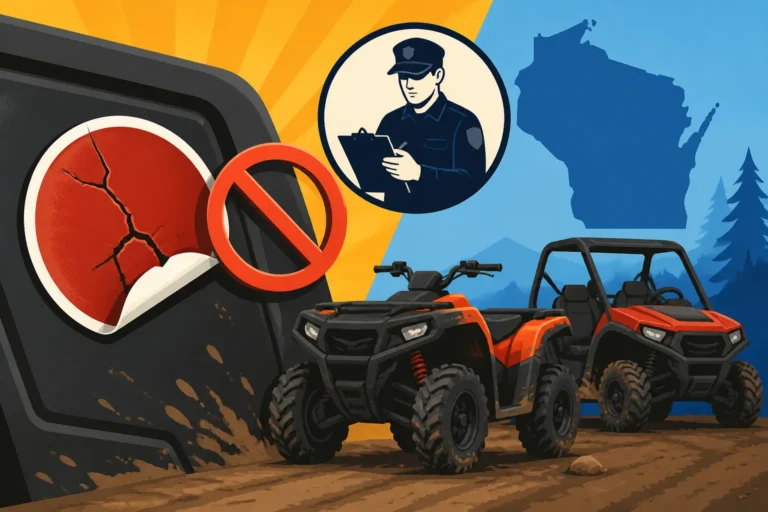
Having a machine registered but lacking the physical decals is a bit like having a driver's license but no physical card in your wallet – you know you're legal, but proving it on the spot can be a real headache. When you're out on the trails or riding a designated road route in Wisconsin, wardens and law enforcement rely on those visible decals to quickly verify your machine's compliance.
What a Wisconsin Warden Asks For
Imagine you're enjoying a beautiful fall ride on a county trail, and a DNR warden pulls up for a routine check. One of the first things they'll look for are those visible registration decals. If they're missing, even if your machine is properly registered, it raises an immediate red flag. The warden might then ask for your physical registration card. While you should always carry this with you – a practice we cover in [Keeping the Registration Card With the Machine] – not having visible decals puts the burden of proof entirely on you.
This interaction, which would otherwise be quick and pleasant, can become a drawn-out process. You might have to dig through your wallet or pack, while the warden might need to radio in your VIN to confirm your registration status. It's not the ideal way to spend your time on the trail, and it can definitely add a layer of stress to what should be a relaxing outing.
Penalties for an Unregistered ATV
This is where things can get particularly frustrating for riders whose decals have simply gone missing. While your machine might technically be registered, if you don't have the current decals displayed, you could face penalties as if your machine were unregistered entirely. [Penalties for an Unregistered ATV in Wisconsin] are no joke, and they can certainly put a damper on your riding budget. The warden isn't necessarily going to assume good faith if they can't see the decals.
The state's regulations are pretty clear: registered machines must display their decals correctly. If you're stopped and cannot produce satisfactory proof of registration and your decals are missing, you could be cited for operating an unregistered machine. This is a crucial distinction: simply being registered isn't enough; you must also display proof of that registration as required. This can feel unfair when you've done everything right on your end, but a lost decal effectively makes your machine appear to be unregistered in the field.
The DNR's Expectation
The Wisconsin Department of Natural Resources (DNR) maintains specific guidelines for ATV and UTV registration to ensure safety, fund trail maintenance, and allow for proper identification in emergencies or enforcement situations. Those decals are a visible confirmation that you've contributed to the state's trail system and are operating legally. They help trail managers and wardens quickly identify machines that might be violating rules or operating without proper authorization.
From the DNR's perspective, consistency is key. If decals aren't consistently displayed, it makes their job of managing and protecting our natural resources much harder. It's about maintaining order on the trails and ensuring everyone is playing by the same rules. Even if it's a hassle for you, the individual rider, the system relies on that visible proof to function effectively. Understanding this perspective helps in recognizing why replacement is so important, beyond just avoiding a citation. You might also want to review [Wisconsin DNR ATV Registration Explained] for a broader understanding of how the system works.
How to Order Replacement Wisconsin Decals
Alright, so your decals are gone, and you understand the importance of getting new ones. The good news is that the process for ordering replacement Wisconsin decals is straightforward, though it might involve a little waiting, depending on the method you choose. The DNR has made it fairly accessible for riders to get back on track.
Online Through the Wisconsin DNR Website
For many riders, the most convenient way to order replacement decals is through the Wisconsin DNR's Go Wild online licensing and registration system. This is the same portal you might use for hunting and fishing licenses or to [Renewing a Wisconsin Registration Online]. It's designed to be user-friendly, allowing you to handle these tasks from the comfort of your home.
You'll typically log into your Go Wild account, navigate to your ATV/UTV registration, and look for an option to order duplicate decals. The system will prompt you for necessary information, confirm your address, and require a payment for the replacement fee. While this method is convenient, keep in mind that the decals will be mailed to you, which means a waiting period. It's a great option if you're not in an immediate rush to ride or if you plan your replacement well in advance of your next trip.
Visiting a Wisconsin Registration Agent
If you need your decals quickly, or if you prefer to handle transactions in person, visiting a Wisconsin registration agent is an excellent alternative. These agents are often located in sporting goods stores, bait shops, and some convenience stores throughout the state, especially in popular riding areas. They are authorized by the DNR to process various registrations and issue physical decals on the spot. You can find a list of locations in [Wisconsin Registration Agents and Where They Are].
The major advantage here is walking out with your new decals immediately. This is particularly helpful if you discover your decals are missing right before a planned riding trip. When you visit an agent, be sure to bring your current registration card (or at least your registration number and VIN) and a valid form of identification. They'll process the request, take the replacement fee, and hand you the new stickers right then and there. It's a quick and efficient way to solve the problem.
Contacting the DNR Directly (Mail/Phone)
For those who might not have easy access to the internet or a local registration agent, or if you simply prefer a more traditional approach, you can contact the Wisconsin DNR directly by mail or phone. You can usually find the appropriate contact information and forms on the DNR's official website. This method might involve printing out a form, filling it in with your registration details, and mailing it along with a check or money order for the replacement fee.
While less immediate than an agent and potentially slower than online, this option ensures you can still obtain your decals. It’s worth noting that for other legal documents, such as drafting a comprehensive [What a Wisconsin ATV Bill of Sale Should Carry] when you buy or sell a machine, services that offer customizable legal templates can be very useful. However, for specific DNR-issued decals, you'll need to go through the official channels. Make sure you confirm the correct mailing address and any specific instructions if you choose this route to avoid unnecessary delays.
What Information You'll Need for Replacement
No matter how you choose to replace your lost decals, you'll need to provide some specific information to the Wisconsin DNR or their authorized agents. Having these details handy will make the process much smoother and faster. It's always a good idea to keep a file, either digital or physical, with all your machine's documentation.
Your Current Registration Details
The most crucial piece of information you'll need is your machine's current registration number. This unique identifier links your ATV or UTV directly to its active registration status with the Wisconsin DNR. Your registration card, which you should ideally carry with you when riding (as detailed in [Keeping the Registration Card With the Machine]), will have this number clearly printed on it, along with the expiration date.
If you don't have your physical card, you might be able to find your registration number through your Go Wild online account if you've registered through that system. Having this number ensures that the replacement decals are issued for the correct machine and that your records are updated accurately. Without it, the process can become significantly more complicated, potentially requiring you to provide more extensive proof of ownership.
Vehicle Identification Number (VIN)
Next up is your Vehicle Identification Number, or VIN. This 17-character alphanumeric code is the unique fingerprint of your ATV or UTV. It's used globally for identification, tracking, and verifying ownership. The DNR uses the VIN to confirm that the registration details match the actual machine. Even if you have your registration number, providing the VIN offers an additional layer of verification, preventing errors and ensuring the decals are issued to the rightful owner.
Knowing [Where the VIN Sits on a Utility Quad] is super helpful, not just for decal replacement but for many other reasons like insurance claims or purchasing parts. It's usually stamped on the frame in an easily accessible but protected location, often near the front wheel, under the seat, or on the lower frame rail. Take a clear photo of it for your records, or better yet, write it down and keep it with your other important documents.
Personal Identification and Payment
Finally, you'll need to prove who you are and pay the associated fee for the replacement decals. A valid driver's license or state-issued ID is typically required to verify your identity, especially if you're going through a registration agent. This helps prevent fraudulent requests and ensures that decals are only issued to the registered owner of the machine.
The replacement fee for decals is usually a modest amount, but it's important to have the correct payment method ready. Online, this will likely be a credit or debit card. At an agent, cash or card are generally accepted. Remember, this fee covers the cost of producing and distributing the new decals, and it's separate from your annual registration renewal fee. It's a small price to pay to avoid the larger [Fines for Riding Wisconsin Unregistered] that could result from missing decals.
Receiving and Properly Placing Your New Decals
Once you've placed your order, the next steps involve receiving your new decals and making sure they're applied correctly to prevent future loss. Proper placement isn't just about aesthetics; it's about compliance and ensuring your machine is clearly identifiable according to Wisconsin DNR regulations.
Waiting for Your Decals to Arrive
If you've ordered your replacement decals online or by mail, there will be a waiting period while the DNR processes your request and mails them out. This can vary, but typically you might expect to wait anywhere from a few business days to a couple of weeks. It’s always a good idea to factor this lead time into your riding plans.
During this interim period, what should you do if you want to ride? It's highly recommended that you carry a copy of your registration, whether it's the physical card or a printout of your online confirmation. While wardens prefer to see the physical decals, having proof that you've initiated the replacement process and that your machine is indeed registered can often help mitigate any issues during a trailside stop. Explain the situation calmly and present your documentation.
Sticker Placement on a Wisconsin Machine
When your new decals finally arrive, the most critical step is applying them correctly. The Wisconsin DNR has specific guidelines for [Sticker Placement on a Wisconsin Machine] to ensure they are visible and easily identifiable. Generally, this means placing them on the front half of the machine, on either side of the hood or fenders, in a clear, unobstructed location. Avoid placing them where they might be easily covered by mud, brush, or accessories.
Before applying, thoroughly clean the surface where the decals will go. Use soap and water to remove any dirt or grime, and then wipe it down with rubbing alcohol to remove any oils or wax residues. Let the area dry completely. This creates the best possible adhesion for the new stickers. Applying them to a dirty or greasy surface is a surefire way to have them peel off again prematurely.
Best Practices for Longevity
To give your new decals the best chance of survival against Wisconsin's challenging riding conditions, consider these best practices:
- Warm and Dry Conditions: Apply the decals when both the machine and the ambient temperature are warm and dry. This allows the adhesive to cure properly. Avoid applying them in freezing temperatures or high humidity.
- Smooth Surface: Ensure the application surface is as smooth as possible. Bubbles or creases under the decal can lead to peeling. Use a squeegee or the edge of a credit card to press them firmly from the center outwards, pushing out any air bubbles.
- Edge Sealing: Some riders go a step further and apply a clear, thin layer of automotive-grade adhesive sealant around the edges of the decal after it has fully cured. This can provide an extra barrier against water, mud, and physical abrasion.
- Strategic Location: While following DNR guidelines, try to choose a spot that is less prone to direct impact from brush, branches, or flying debris. Sometimes a slightly different spot on the fender can make all the difference.
Proactive Steps to Protect Your Decals
Losing decals is a pain, so taking a few preventative measures can save you a lot of hassle down the line. A little vigilance can go a long way in ensuring your registration decals stay put, even through the most rigorous Wisconsin adventures.
Regular Inspections and Maintenance
Integrate a quick decal check into your pre-ride routine. Before you head out, do a visual inspection of your machine, paying close attention to your registration decals. Look for any signs of peeling, bubbling, or tearing, especially around the edges. If you catch a small edge starting to lift, you might be able to press it back down firmly or even apply a tiny dab of super glue or automotive adhesive to re-secure it before it becomes a major problem.
Sometimes, simply cleaning the area around the decals during your regular machine wash can help. Dirt and grime can work their way under the edges, weakening the adhesive. Keeping the area clean minimizes this risk. Think of it like preventive maintenance for your stickers – a small effort now can prevent a full replacement later.
Strategic Riding Habits
While you can't always avoid every branch or mud pit, being mindful of where your decals are placed and how you ride can certainly help. When navigating tight trails with dense brush, try to remember which side your decals are on and favor the opposite side when possible, or simply be more cautious. After a particularly muddy or wet ride, make sure to gently clean your machine and check the decals once everything dries.
Even during trailering, be aware of how tarps or tie-downs might rub against the decals. Prolonged friction can wear them down or lift their edges. Simple awareness of your machine's "vulnerable spots" for decals can become a natural part of your riding habits, helping to prolong the life of those all-important stickers.
Decal Replacement Options Comparison
Here's a quick look at your options for replacing lost Wisconsin ATV/UTV decals:
| Feature | Online (Go Wild) | Authorized Agent | DNR Mail/Phone |
|---|---|---|---|
| Convenience | High (from home) | Medium (requires travel) | Low (requires mailing/phone calls) |
| Speed | Medium (mailed, typically 1-2 weeks) | High (immediate) | Low (mailed, can be several weeks) |
| Payment | Credit/Debit Card | Cash/Credit/Debit Card | Check/Money Order |
| Information | Registration #, VIN, Personal Info | Registration #/Card, VIN, Personal ID | Registration #, VIN, Personal Info |
| Proof of Reg. | Digital confirmation while waiting | Physical decals issued immediately | Digital confirmation while waiting |
| Best For | Non-urgent replacement, tech-savvy users | Urgent needs, immediate replacement | No internet/agent access, traditional approach |
Disclaimer
This article is for general informational purposes only and does not constitute professional advice. Laws, prices and regulations vary by location and change over time. Consult a qualified professional for guidance on your specific situation.