Wisconsin Trailer Plate Cost
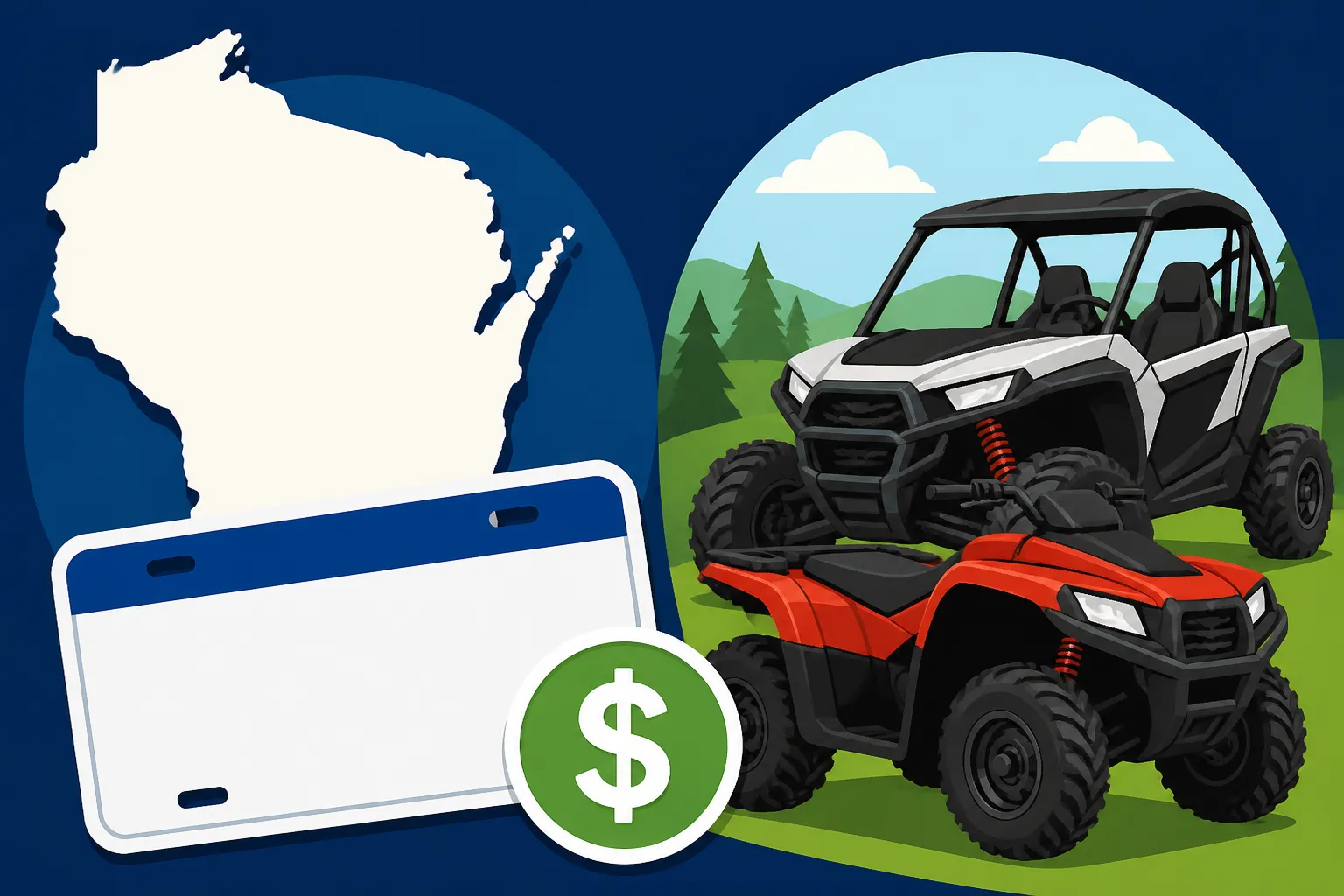
There's nothing quite like loading up your ATV or UTV, ready for a weekend of tearing up the trails in the Wisconsin Northwoods. But before you even hit the road, there's a small but mighty detail that often catches folks off guard: the cost of a trailer plate. It's easy to get focused on the machine itself, only to realize your trusty hauler also needs to be squared away. This comprehensive guide is here to demystify the Wisconsin trailer plate cost, ensuring your rig is road-legal and ready for adventure without any last-minute headaches.
Understanding the Basics of Wisconsin Trailer Registration
When you're dealing with powersports, it's easy to assume everything falls under the same umbrella. But in Wisconsin, your ATV or UTV's registration is one thing, and the trailer you use to haul it is an entirely separate legal entity. This distinction is crucial for understanding why your trailer needs its own specific plate and what that entails.
Why Your ATV/UTV Trailer Needs a Plate in Wisconsin
Think about it: your ATV is registered for off-road use, or specific road routes if your town allows it. But the trailer carrying it? That's strictly a road-going vehicle, even if its sole purpose is to get your toys to the dirt. Any trailer, regardless of its size or cargo, that's being pulled on public roads in Wisconsin must be properly registered and display a valid license plate. This isn't just a suggestion; it's a legal requirement. Without it, you could be pulled over, face fines, and potentially have your trip cut short before it even begins. It's a fundamental aspect of road safety and legal compliance, ensuring that all vehicles using our shared roadways are identifiable and meet state standards. From a small utility trailer carrying a single quad to a large enclosed trailer hauling multiple side-by-sides, the rules apply equally.
The Different Types of Trailer Plates and How They Relate to ATVs
Wisconsin recognizes various types of trailer plates, primarily categorized by their gross weight and intended use. For most ATV and UTV enthusiasts, you're likely dealing with a "small trailer" or "light utility trailer" plate, as these trailers typically fall below the higher weight thresholds that require commercial or heavy-duty classifications. These general utility plates are designed for exactly what they sound like: hauling personal property, which includes your beloved recreational vehicles. While boat trailers, recreational vehicle trailers (like campers), and commercial trailers have their own specific categories and sometimes different fee structures, your ATV trailer will almost certainly fall under the standard utility trailer designation. This simplifies things somewhat, as you won't typically need to navigate complex commercial regulations just to get your quad to the trails.
Where the Fees Go: Supporting Wisconsin's Infrastructure
It's natural to wonder where all these registration fees end up. In Wisconsin, the money collected from vehicle registrations, including trailer plates, is primarily directed towards the state's transportation fund. This fund is crucial for maintaining and improving Wisconsin's vast network of roads, bridges, and highways. When you pay for your trailer plate, you're contributing to the very infrastructure that allows you to safely and efficiently transport your ATV or UTV to those exciting trailheads. It's a cyclical benefit: you pay a fee, and that fee helps ensure the roads you drive on are in good condition, making your journey smoother and safer. It also supports services like highway patrol and other safety initiatives, all of which indirectly benefit every driver and hauler on Wisconsin's roads.
Deciphering the Wisconsin Trailer Plate Cost
Understanding the specific dollar amount for a Wisconsin trailer plate can sometimes feel like trying to hit a moving target, especially with various factors at play. While I can't give you exact figures that might change with legislative updates, I can certainly explain the components that make up the cost and how to find the most current information.
The Standard Registration Fee for Utility Trailers
For most recreational riders hauling ATVs and UTVs, your trailer will likely be classified as a "light utility trailer." The primary cost for registering these trailers is a standard registration fee. This fee is typically a flat rate, often available for different registration periods—most commonly, you'll find options for a multi-year registration or a permanent registration. The permanent option, while a larger upfront cost, can be a real convenience, as it means you won't have to worry about annual renewals for that particular trailer. It's a one-and-done deal, which many busy folks appreciate. However, it's absolutely essential to check the Wisconsin Department of Transportation (WisDOT) website directly for the current figures, as these rates can be adjusted periodically. Think of it as a set price for the privilege of using the road, a foundational cost that every trailer owner faces.
Factors That Might Influence Your Trailer Plate Price
While the standard fee is a significant part of the equation, a few other factors can subtly shift the total cost or how you approach registration. The gross vehicle weight rating (GVWR) of your trailer is a primary consideration. Most ATV/UTV trailers fall into the lighter categories, keeping fees relatively low. However, if you're hauling a larger, heavier enclosed trailer, or a multi-machine rig, it might push you into a different weight class, potentially incurring a slightly different fee.
Another factor is whether your trailer is manufactured or "homemade." While both need to be registered, homemade trailers often require a slightly different process for establishing ownership and sometimes an inspection to verify safety standards and assign a VIN if one doesn't exist. Furthermore, the duration of registration, as mentioned, gives you a choice between a shorter term (if offered) or the permanent option, each with its own price point. For instance, if you anticipate selling your trailer in a year or two, a permanent plate might not be the most economical choice upfront, but for long-term ownership, it's often a smart investment. Always consider your ownership plans when selecting a registration period.
Additional Costs Beyond the Basic Plate
Beyond the core registration fee, there are a few other charges that might pop up, depending on your situation. If your trailer is new, or if you're registering a used trailer that has never been titled in your name, you might encounter a title fee. While not all small utility trailers in Wisconsin require a title (often depending on weight), if yours does, this will be an added cost. Another scenario for additional fees is if you purchase a used trailer and don't complete the transfer of ownership within the state's specified timeframe. Late fees can quickly add up, turning a straightforward process into a more expensive ordeal.
Also, don't forget the potential for a transfer fee if you're buying a used trailer with an existing registration. This is a separate, smaller fee to transfer the registration from the previous owner to your name. When you're buying a used trailer, ensuring you have a clear bill of sale is crucial for a smooth transfer. A service like LawDepot can help you generate a professional, legally sound bill of sale that clearly outlines the transaction details, protecting both buyer and seller and making the registration process much easier for you at the DMV. This piece of paperwork, alongside the previous owner's signed-off registration card, is your ticket to a clean transfer without unexpected snags or delays.
The Registration Process: What to Expect
Navigating the registration process for your ATV or UTV trailer doesn't have to be daunting. Knowing what documents to gather and what steps to follow can save you time and frustration, getting you on the road to the trails quicker.
Documentation You'll Need to Register Your Trailer
Getting your trailer registered successfully hinges on having the correct paperwork. For a brand-new trailer, you'll typically need the Manufacturer's Statement of Origin (MSO) or Manufacturer's Certificate of Origin (MCO), which is essentially the trailer's birth certificate. This document proves the trailer's origin and that it hasn't been titled before. You'll also need a bill of sale from the dealership, detailing your purchase.
If you're registering a used trailer, the process involves slightly different documents. You'll need a properly executed bill of sale from the previous owner. This document is vital for establishing your ownership. It's often a good idea to use a reputable template for your bill of sale, and resources like LawDepot offer customizable forms that ensure all the necessary information, like the VIN, purchase price, and date of sale, is clearly recorded. In addition, you'll need the previous owner's signed-off registration card, proving they've transferred ownership to you. And of course, always bring your valid Wisconsin driver's license or state ID for proof of identity. Having all these documents in order before you visit a WisDOT service center or agent will make the process much smoother and faster. Missing even one piece of paper can lead to frustrating delays. [What a Wisconsin ATV Bill of Sale Should Carry] is a great resource if you're unsure about the details for your machine.
Registering a New or Used Trailer in Wisconsin
The actual act of registering your trailer is fairly straightforward once you have your documents in hand. For a new trailer, you'll take your MSO, bill of sale, and identification to a WisDOT service center or an authorized registration agent. You'll fill out the necessary application forms, pay the registration and any applicable title fees, and then you'll receive your new plate and registration card.
For a used trailer, the process is similar. You'll present your bill of sale, the previous owner's signed-off registration card, and your ID. Again, you'll complete the application, pay the transfer fee, registration fee, and any title fees if required. It's crucial to complete this transfer promptly after purchase. Wisconsin typically has a deadline, often ten days, for transferring ownership. Missing this window can result in late fees, adding unnecessary expense to your purchase. By gathering all the necessary paperwork, especially a clear bill of sale often drafted with the help of something like LawDepot, you can ensure your transaction is handled correctly and efficiently. Remember, your new registration card needs to be kept with the trailer at all times when it's on public roads. [Transferring a Wisconsin Registration Within Ten Days] discusses the importance of acting quickly after a sale.
Renewing Your Wisconsin Trailer Plate
If you opt for a multi-year registration instead of a permanent one, you'll eventually need to renew your trailer plate. Wisconsin generally sends out renewal reminders well in advance, usually by mail or email, making it easy to remember. You can typically renew your trailer registration online through the WisDOT website, by mail, or in person at a service center or authorized agent. The online option is often the quickest and most convenient. Just be sure to renew before the expiration date printed on your registration card.
Letting your registration lapse can lead to fines if you're caught pulling your trailer on public roads with an expired plate. It's a simple, recurring task that's easy to overlook but can have costly consequences. Many people mark their calendars or set digital reminders to ensure they don't miss the renewal date, particularly if they're gearing up for a big trip. Keeping an eye on that expiration date is just as important as checking the air in your tires or the oil in your ATV. [Renewing a Wisconsin Registration Online] can walk you through the digital steps.
| Trailer Type/Scenario | Typical Documentation Needed | Common Fees (Shape) | Key Consideration |
|---|---|---|---|
| New Utility Trailer | MSO/MCO, Bill of Sale, ID, Application | Standard registration fee, potential title fee | Ensure MSO/MCO is accurate; register promptly. |
| Used Utility Trailer | Bill of Sale (from LawDepot or similar), Previous Reg Card, ID, Application | Standard registration fee, transfer fee, potential title fee | Complete transfer within 10 days to avoid late fees. |
| Homemade Trailer | Proof of components/receipts, ID, Application, potential inspection | Standard registration fee, potential VIN assignment fee | May require inspection to assign a VIN and ensure safety. |
| Trailer Renewal | Renewal Notice, ID (if in-person) | Standard renewal fee (can be multi-year) | Renew before expiration date to avoid fines. |
| Trailer Title Only | Bill of Sale, previous title (if applicable), ID, Application | Title fee only | Required for heavier trailers, even if not registered for road use. |
Common Pitfalls and Smart Tips for Wisconsin ATV/UTV Trailer Owners
Owning an ATV or UTV trailer in Wisconsin is generally straightforward, but there are a few common missteps that can lead to unnecessary trouble. Being proactive and informed can save you a lot of grief.
Avoiding Fines for Unregistered or Expired Plates
This is probably the most frequent and easily avoidable pitfall for trailer owners. Pulling an ATV or UTV trailer on public roads in Wisconsin without a current, valid registration and plate is a ticket waiting to happen. The fines for an unregistered or expired plate can range from moderate to substantial, not to mention the potential inconvenience of being stopped and having your day interrupted. It’s not uncommon for wardens or local law enforcement to perform spot checks, especially around popular trailheads or during busy riding seasons. Imagine pulling into a staging area, excited to hit the trails, only to be stopped and cited before you even unload. The cost of the fine will almost certainly outweigh the cost of the registration fee itself, making it a truly preventable expense. Always double-check your plate's expiration date before you hitch up and head out. [Penalties for an Unregistered ATV in Wisconsin] offers insights into similar issues for the machines themselves.
Essential Paperwork: Beyond the Plate Itself
While the physical license plate on your trailer is what law enforcement primarily looks for, the paperwork associated with it is just as crucial. Always keep your current registration card with the trailer, or at least easily accessible in your tow vehicle. This card proves that the plate is valid and registered to you. Beyond that, having proof of ownership—like your bill of sale, perhaps a clean and clear one generated through LawDepot—is also incredibly important, especially if you've purchased the trailer used. This documentation can clear up any questions about ownership during a roadside stop or, more critically, if the trailer is ever stolen.
It might seem like a lot to keep track of, but this paperwork is your shield against potential issues. Consider creating a small waterproof pouch that you keep in a lockable compartment on your trailer or in your truck's glovebox, containing copies of your registration, insurance (for the tow vehicle, and potentially the trailer itself), and proof of ownership. This way, everything is in one place and protected from the elements.
Practical Advice for Hauling Your ATV/UTV Safely and Legally
Beyond just the plate, responsible trailer ownership involves several practical aspects to ensure you're hauling your ATV or UTV safely and legally. First, ensure your trailer lights are always functional. This includes brake lights, turn signals, and running lights. A non-functioning light can lead to a stop and a citation, even if your plate is current. Second, properly secure your ATV or UTV to the trailer using appropriate tie-downs. Loose machines can shift, cause accidents, or even fall off the trailer, leading to serious danger and legal liabilities. [Strapping a Machine Down for the Freeway] is a must-read for anyone who trailers their machine.
Finally, keep your trailer itself in good working order. Check tire pressure, inspect wheel bearings, and ensure your hitch is secure before every trip. While not directly related to the plate cost, a well-maintained trailer is part of being a responsible road user and helps ensure your plate, and the journey it allows, doesn't lead to unexpected trouble. Taking care of these small details makes a huge difference in having a worry-free trip to your favorite Wisconsin trails.
Disclaimer
This article is for general informational purposes only and does not constitute professional advice. Laws, prices and regulations vary by location and change over time. Consult a qualified professional for guidance on your specific situation.