Selling a Quad in Wisconsin With No Paperwork
Selling an ATV or UTV in Wisconsin can feel like navigating a muddy trail, even when you have all your ducks in a row. But what happens when you’re staring down a sale with an off-road machine that has little to no formal paperwork? Many folks find themselves in this frustrating bind, whether they’ve owned a quad for decades on private land, inherited a machine, or simply lost critical documents over time. This guide is here to walk you through the realistic steps and considerations for successfully selling your ATV or UTV in Wisconsin when the usual stack of papers is missing, and how to best prepare both yourself and your potential buyer for the journey ahead.
Understanding Why Paperwork Matters (Even When It's Missing)
It's easy to think, "It's just an ATV, what's the big deal about a piece of paper?" Especially if your quad has lived its life exclusively on your back forty or at a remote deer camp. However, for a buyer looking to register and legally ride your machine on Wisconsin’s fantastic trail system or road routes, that paperwork becomes incredibly important. Without it, they could face significant hurdles and headaches.
The Ideal Scenario: What a Buyer Expects
When a buyer approaches a private sale, they typically anticipate a smooth transaction, which includes receiving specific documents from you. The gold standard in Wisconsin usually involves the current registration card (even though Wisconsin does not title ATVs), a detailed bill of sale, and proof that the Wisconsin sales tax has either been paid or will be collected. These documents establish a clear chain of ownership and allow the new owner to quickly and easily [Transferring a Wisconsin Registration Within Ten Days] into their name.
This ideal scenario simplifies everything. The registration card shows the machine is currently registered and who the last legal owner was. The bill of sale acts as a legal receipt and transfer of ownership, laying out the terms of the sale. And proof of sales tax payment ensures the buyer won't be surprised by unexpected fees when they go to register. When these pieces aren't present, it can rightfully make a buyer wary, and it definitely adds complexity to what should be a straightforward process.
The Legal and Practical Challenges of "No Paperwork"
Selling a machine with missing paperwork presents several significant challenges, both legally and practically, for both you and the prospective buyer. First and foremost, a lack of clear documentation often raises red flags about the machine's provenance. Buyers worry, and rightfully so, if the machine could be stolen, even if you’ve owned it for ages. Wisconsin's DNR has ways to check the VIN against theft records, and a buyer will likely want assurance that the machine isn't "hot." Without a current registration card, it's harder for a buyer to confirm that you are, in fact, the rightful owner.
From a practical standpoint, the buyer's ability to [Registering an ATV in Wisconsin] will be severely hampered. While Wisconsin doesn’t issue titles for ATVs and UTVs, they do require proof of ownership to issue a new registration. This usually means a prior registration card and a bill of sale. Without these, the buyer might have to jump through extra hoops with the DNR, potentially submitting affidavits, providing additional evidence, or even having to wait for the DNR to investigate the machine's history. This added effort, risk, and uncertainty often translates into a lower selling price or a much longer time on the market for you. It's a frustrating situation that often deters otherwise interested buyers.
Common Scenarios for Missing ATV/UTV Paperwork in Wisconsin
It's not always a nefarious reason why paperwork goes missing. Life happens, and with machines that often spend their lives out in the elements or are passed down through generations, documents can easily get lost or simply never existed in a formal sense. Understanding these common scenarios can help you explain your situation clearly and honestly to a potential buyer.
"Lost or Never Received" Situations
Perhaps the most common reason for missing paperwork is simply that the original documents have been misplaced over time. Maybe you moved residences a few times, and in the shuffle, the registration card for your old quad vanished. Or perhaps you bought the machine many years ago in a private sale and never bothered to formally transfer the registration because you only used it on your own property or didn't fully understand the process at the time. Many folks don't realize the importance of maintaining an active registration, especially if they only ride on private land, only to discover the problem when they go to sell.
Another frequent scenario involves machines that have been in the family for generations. Grandpa bought the ATV back in the 80s, never registered it because it stayed on the farm, and now you’ve inherited it. There’s no registration card, no formal bill of sale from decades ago, just a well-loved machine and family history. In these cases, the machine is genuinely yours, but proving it on paper can be a challenge. Even machines used solely for farm work are generally exempt from registration requirements on agricultural land, but that exemption doesn't mean they don't need a clear paper trail for a future sale. For those who have never taken their machine off their own property, they might not even be aware of the process for [Registering a Machine That Never Leaves Your Land].
Dealing with Machines with Unknown Histories
This scenario is a bit more complicated and requires extra caution. Sometimes, a seller might have come into possession of an ATV or UTV without a clear understanding of its past. Maybe they bought it at an auction years ago without receiving much in the way of documentation, or it was given to them by a friend who has since moved away. These situations are particularly tricky because the chain of ownership is broken, and there might be gaps that are difficult to fill.
For both the seller and the buyer, machines with unknown histories pose a higher risk. Before you even think about selling such a machine, you should do everything in your power to establish its legitimacy. This means locating the Vehicle Identification Number (VIN) and doing your due diligence to check if it's been reported stolen. There are resources available, like state DNR offices or online VIN check services, that can help you [Running a Used Quad Past Theft Records]. Being proactive in this regard not only protects you from legal trouble but also provides a crucial layer of reassurance to potential buyers who are understandably wary of purchasing a machine with a shadowy past. If a machine truly has no history whatsoever, it may be very difficult to ever get it legally registered.
Practical Steps to Prepare for a Sale Without Traditional Paperwork
Okay, so you've got a machine and no straightforward paperwork. Don't despair! While it's certainly more work than a standard sale, it's not impossible. Your goal here is to be as transparent, organized, and helpful as possible to instill confidence in a potential buyer and smooth the path for them to register the machine in their name.
Proving Ownership When Records Are Scant
Since you don't have the typical registration card, you'll need to gather any other evidence you can to demonstrate that the ATV or UTV is legitimately yours. Think creatively about what you might have:
- Old Registration Stickers or Decals: Do you have any expired registration stickers still on the machine from previous years? Even if they're old, they can link the machine to your name or address at a certain point in time.
- Maintenance Records or Receipts: Have you ever had the machine serviced at a local shop, or bought parts for it? Receipts with the VIN (if available) or even just your name and the machine's description can help establish your long-term possession.
- Photographs: Do you have pictures of yourself or your family with the ATV over the years? While not legal proof, they can help build a narrative of continuous ownership.
- Witness Statements: Are there friends, family, or neighbors who can attest to your ownership and how long you’ve had the machine? They could potentially sign an affidavit if needed, although this is usually a last resort for DNR.
- Previous Bill of Sale (even if informal): If you bought the machine privately years ago, even a handwritten note or a casual bill of sale from that time could be useful.
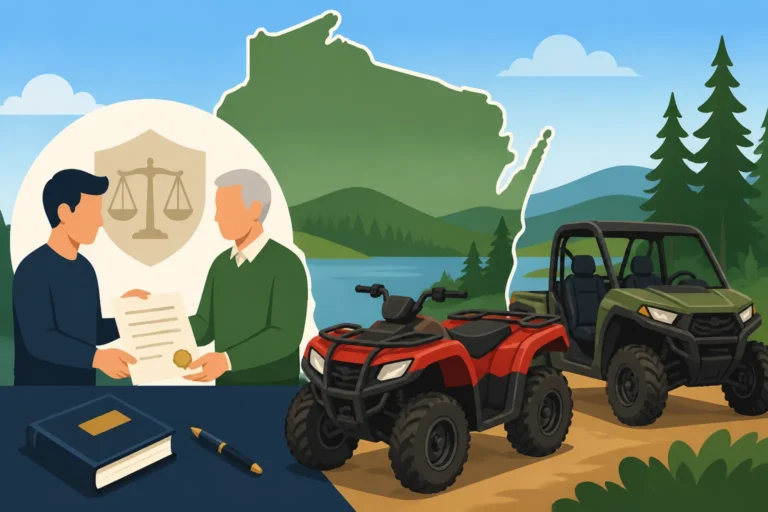
The most crucial piece of documentation you'll need to create now is a comprehensive bill of sale. This isn't just a scribble on a napkin; it's a formal document that meticulously details the sale. This is where a tool like LawDepot can be incredibly helpful. You can use their templates to draft a legally sound bill of sale that includes all the necessary information, even adding clauses to address the missing paperwork specifically. A well-prepared bill of sale is your best bet for helping the buyer establish ownership with the Wisconsin DNR. [What a Wisconsin ATV Bill of Sale Should Carry] is a great resource to ensure you include all the vital details.
What You Must Tell the Buyer (Transparency is Key)
Honesty is absolutely paramount when selling a machine without paperwork. You must be upfront with any potential buyer about the lack of traditional documents. Do not try to obscure this fact or hope they won't notice. Disclosing it early builds trust and manages expectations. Explain your situation clearly: perhaps you inherited it, or the original registration was lost years ago, or you only ever used it on private land.
Explain to them exactly what paperwork you do have (e.g., a detailed bill of sale, old receipts, etc.) and what you don't have (e.g., a current registration card). You should also clearly explain the potential challenges they might face when trying to register the machine in their name. This includes the possibility of needing to contact the Wisconsin DNR to prove ownership from scratch, which might involve extra steps or delays. By being transparent, you’re not only being ethical but also protecting yourself from future disputes. A buyer who feels misled after the sale will be much more likely to create problems for you. Selling an ATV from a seller with no paperwork can be a red flag for buyers, so managing their expectations is crucial.
Creating a Comprehensive Bill of Sale
This is arguably the single most important document you will create for this transaction. A robust bill of sale acts as the new foundation for the machine's ownership history. It needs to be incredibly detailed and leave no room for ambiguity. Here's what it should absolutely include:
- Full Buyer and Seller Information: Names, addresses, phone numbers, and driver's license numbers for both parties.
- Machine Details: The full year, make, model, and crucially, the complete 17-digit Vehicle Identification Number (VIN). Double-check this number and make sure it matches what’s on the machine itself.
- Sale Price: The agreed-upon selling price.
- Date of Sale: The exact date the transaction takes place.
- "As-Is" Clause: A statement that the machine is being sold "as-is, where-is" with no warranties, express or implied. This protects you from claims about the machine's condition after the sale.
- Explicit Statement Regarding Missing Paperwork: This is critical. Include a clear paragraph stating that the machine is being sold without a current registration card or other specific documents, and that the buyer understands and accepts this.
- Signatures: Signatures of both the buyer and seller.
- Witnesses: Ideally, have one or two disinterested third-party witnesses sign the bill of sale.
- Notarization (Highly Recommended): Taking the extra step to have the bill of sale notarized adds a significant layer of legal validity. A notary public verifies the identities of the signers, making the document much harder to dispute later.
Again, don't try to handwrite this on a scrap of paper. Utilize professional templates from services like LawDepot to ensure you're covering all your bases and using appropriate legal language. Creating a thorough, professional bill of sale demonstrates your seriousness and helps the buyer immensely when they approach the DNR.
Navigating the Buyer's Registration Process (and Helping Them Succeed)
Once the machine is sold, the ball is largely in the buyer's court regarding registration. However, by understanding what they'll likely face, you can proactively offer assistance and information, making the entire process less daunting for them and reflecting positively on you as a seller.
The Buyer's Burden: What They'll Face
Without a previous registration card to simply sign over, the buyer will likely need to go through a more involved process with the Wisconsin DNR to establish initial ownership. They won't have the typical "proof of ownership" document that the DNR usually prefers for a registration transfer. Instead, they will most likely need to present your comprehensive bill of sale as their primary evidence. The DNR may then require additional steps to verify the machine's identity and ensure it hasn't been stolen. This could involve cross-referencing the VIN against their records or theft databases, or even asking for further affidavits or proof of your long-term possession, which is why your thorough bill of sale and transparency are so important.
It's a process that can be a bit intimidating for a new owner who just wants to hit the trails. They might be concerned about whether they'll even be able to get a valid registration. This is where your upfront honesty and diligent preparation come into play, as it significantly increases their chances of success. Understanding [Wisconsin DNR ATV Registration Explained] will give them insights into the process.
Suggesting Proactive Steps for the Buyer
To truly assist your buyer, consider suggesting some proactive steps they can take even before the sale is finalized. Encourage them to contact the Wisconsin DNR directly before purchasing the ATV or UTV. They can explain their situation – that they are considering buying a machine with a solid bill of sale but no prior registration card – and ask what specific documentation or process the DNR would require to register it in their name. This direct communication with the DNR can alleviate a lot of anxiety for the buyer and give them a clear roadmap.
You can also offer to provide any additional information you have, like photos of the VIN, copies of old receipts, or contact information for a witness if necessary. Walk them through your detailed bill of sale, highlighting the information you’ve included. Remember, the buyer will also need to pay the [Wisconsin Sales Tax on an ATV Purchase] when they register, so remind them to factor that into their budget. By being a helpful and informed seller, you make a potentially difficult transaction much smoother and more likely to succeed for everyone involved.
| Feature | Selling with Complete Paperwork | Selling with No Paperwork |
|---|---|---|
| Documents Provided | Current registration card, detailed bill of sale, sales tax proof | Detailed bill of sale, other ownership evidence (receipts, photos) |
| Buyer Confidence | High, clear chain of ownership | Lower initially, requires more trust in seller and due diligence |
| Registration Process | Straightforward transfer at DNR or agent | More complex, buyer likely needs to establish original ownership with DNR |
| Time to Complete Sale | Often quick, minimal friction | Potentially longer, as buyer may need to consult DNR first |
| Potential Legal Risks | Low, clear transfer of liability | Higher if seller is not fully transparent or machine has issues |
| Sale Price Impact | Maximized, reflects ease of transaction | Potentially lower, compensates buyer for added effort/risk |
| Seller's Effort | Less, standard procedures | More, requires gathering evidence, detailed bill of sale (e.g., via LawDepot) |
Disclaimer
This article is for general informational purposes only and does not constitute professional advice. Laws, prices and regulations vary by location and change over time. Consult a qualified professional for guidance on your specific situation.