What a Wisconsin Dealer Files for You
The thrill of bringing home a new or new-to-you ATV or UTV from a dealership in Wisconsin is truly something special. The excitement can make your head spin, from planning your first ride on the trails to imagining plowing your driveway with your new machine. But let's be real, beneath that shiny plastic and roaring engine, there's always the looming question of paperwork. You just signed on the dotted line, but what exactly does the dealership take care of for you, and what's still left on your plate? This guide is here to untangle the post-purchase process, clearly outlining the dealer's responsibilities so you can hit the trails with peace of mind.
The Dealer's Role in Your Wisconsin Registration
When you purchase an ATV or UTV from a licensed dealer in Wisconsin, you're not just getting a new machine; you're also benefiting from their expertise in handling the initial bureaucratic heavy lifting. It’s a huge relief, honestly, because navigating government forms can be a real headache. They’re equipped to get your machine into the Wisconsin Department of Natural Resources (DNR) system correctly, ensuring you're all set for legal riding.
The Initial Registration Application
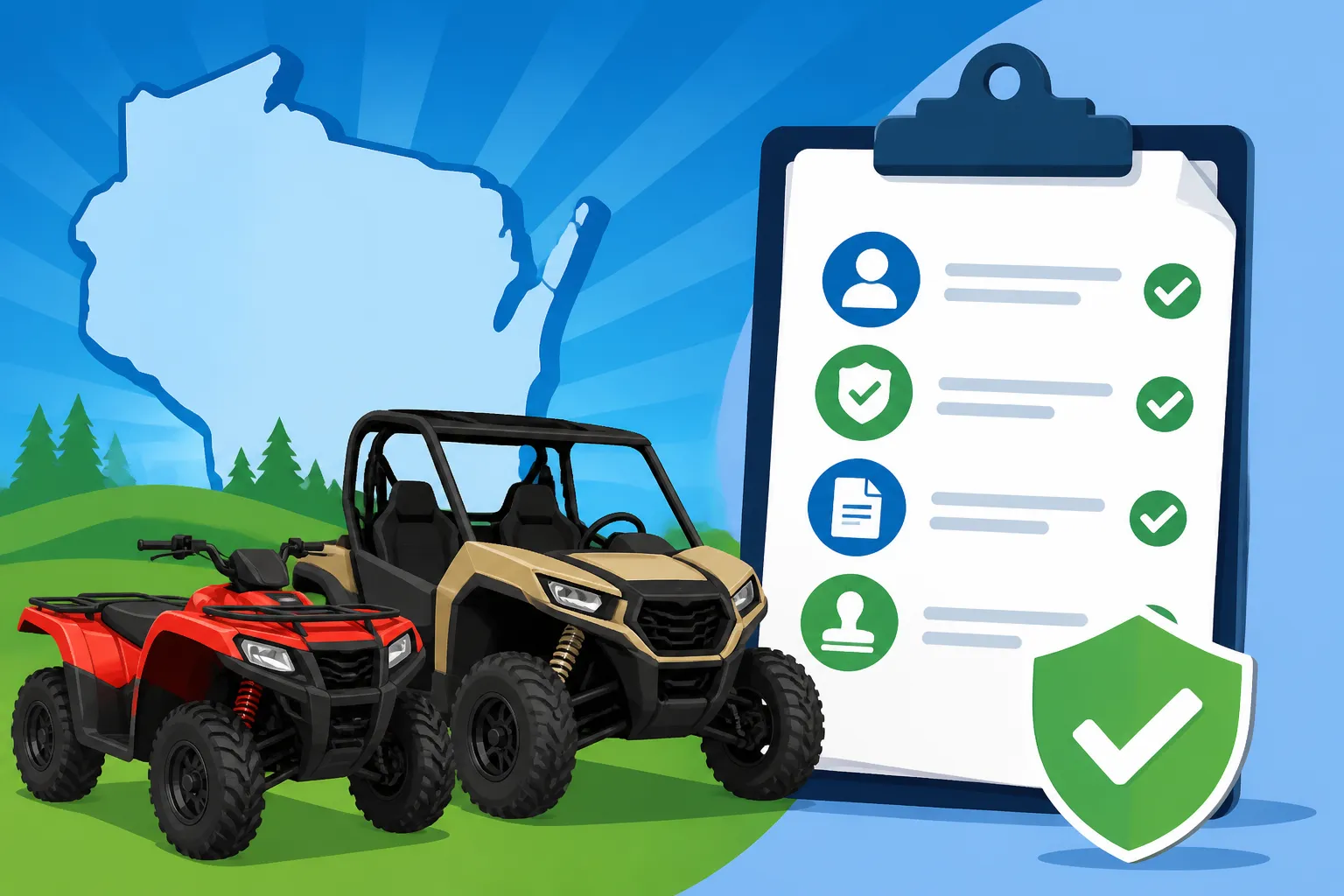
One of the biggest advantages of buying from a dealer is that they typically handle the initial registration application for you. Think of it: no poring over confusing forms, no wondering if you've checked the right box or missed a crucial piece of information. When you sit down with the finance or sales manager, they'll gather all the necessary details from you – your name, address, contact information, and details about the specific machine you're purchasing. They’ll also ask about the intended use (public vs. private) to ensure your machine gets the correct registration type. This is vital because whether you plan to ride public trails or primarily use your machine on private land dictates the kind of registration you'll receive. Dealers help ensure your machine is registered appropriately, whether that's [Wisconsin's Public Use ATV Registration] or [Wisconsin's Private Use ATV Registration]. They act as a direct link to the DNR, submitting the form on your behalf to kickstart the process of getting your unique registration number and those all-important decals.
Collecting Sales Tax
Another significant duty the dealer performs is collecting sales tax on your purchase. In Wisconsin, this isn't just a suggestion; it's a requirement. When you buy an ATV or UTV, both state and, in most areas, county sales taxes apply. The dealer calculates this for you and adds it to your final purchase price, then remits it directly to the state. This means you won't get a separate bill from the DNR or the Department of Revenue for sales tax later, which is a common point of confusion for folks buying privately. If you’ve ever wondered about the ins and outs of this, articles like [Wisconsin Sales Tax on an ATV Purchase], [Wisconsin State Sales Tax on a Quad], and [County Sales Tax on a Wisconsin Machine] can offer even deeper insights into how these figures are derived. By handling the sales tax, the dealer streamlines the financial aspect of registration, saving you a separate step and ensuring compliance from the get-go.
The Five-Day Filing Deadline
Dealers don't just sit on your paperwork. They have a specific, rather tight deadline to submit your registration application and associated fees to the DNR. In Wisconsin, dealers are generally required to file your registration paperwork within five business days of your purchase. This quick turnaround is designed to get your machine registered and ready for action as swiftly as possible. While you won't typically leave the dealership with your permanent registration card and decals in hand, knowing they've initiated the process promptly offers reassurance. You'll likely receive a temporary receipt or confirmation that the application has been submitted, but the official DNR packet, including your new registration card and decals, will arrive in the mail directly from the state. Understanding this deadline, which you can read more about in [Wisconsin Dealers Filing Registration in Five Days], helps manage expectations for when you'll actually receive your official documents.
What You'll Still Need to Handle Yourself
Even though dealers take care of a lot of the initial legwork, there are still a few crucial pieces of the puzzle that fall to you, the proud new owner. These steps are essential to ensure your machine is fully legal and safe for all your Wisconsin adventures.
Securing Your Insurance
While your dealer will register your machine and collect sales tax, they typically won't arrange your insurance coverage. Securing an appropriate insurance policy for your ATV or UTV is entirely your responsibility. Many riders think that if they're not riding on roads, insurance isn't necessary, but that's a risky assumption. While Wisconsin state law doesn't universally mandate ATV/UTV insurance for all riding, many local ordinances for road routes do require it, and frankly, it's just smart to have. A comprehensive policy can protect you from financial disaster in case of an accident, theft, or damage to your machine. Imagine a mishap on a remote trail – the costs can add up quickly. It's wise to contact your insurance provider as soon as you know you're buying a machine to get a quote and activate coverage. For a deeper dive into what you might need, check out [Insuring an ATV in Wisconsin]. Don't wait until you're out on the trail to discover you're unprotected.
Displaying Your Decals
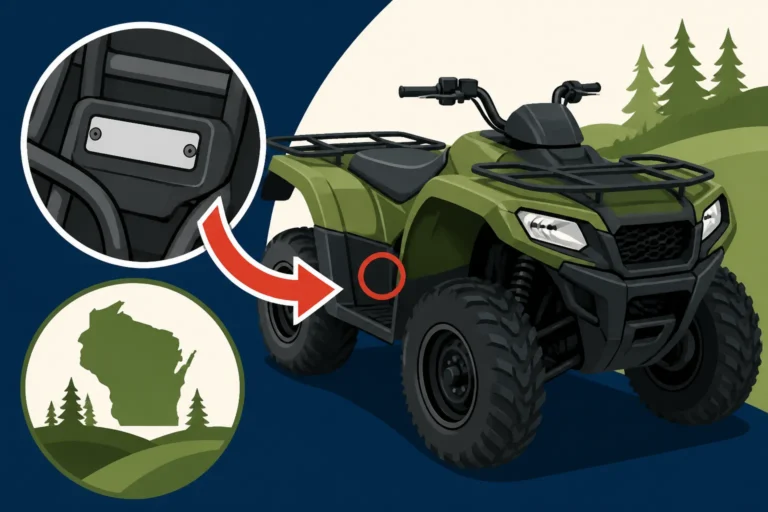
Once the Wisconsin DNR processes your application, you'll receive your official registration card and decals in the mail. This usually happens a few weeks after the dealer submits the paperwork. Once they arrive, it's your job to properly display these decals on your machine. This isn't just for aesthetics; it's a legal requirement and how wardens and other officials verify your machine is registered. The decals have specific placement requirements, usually on both sides of the machine, clearly visible. It’s not uncommon for new owners to accidentally put them in a spot where they might peel off or be obscured. Taking a moment to read the instructions included with your decals or looking up official DNR guidelines (like those detailed in [Sticker Placement on a Wisconsin Machine]) will save you a potential fine and the hassle of ordering replacements. These little stickers are your machine's visible proof of legality, so treat them with care!
Understanding Your Registration's Expiration
Your registration isn't a one-and-done deal; it has an expiration date, and keeping track of it is your responsibility. Most Wisconsin ATV and UTV registrations, particularly those for public use, expire on March 31st. This date is notorious among Wisconsin riders for prompting a flurry of renewals. Missing this deadline means your machine is unregistered, and riding it can lead to fines. While the DNR often sends renewal reminders, life happens, and sometimes those reminders get lost in the shuffle or email spam folders. It’s always best to mark your calendar and proactively ensure your registration is current. Whether you have a [Wisconsin's Public Use ATV Registration] or a [Wisconsin's Private Use ATV Registration], knowing its term is crucial. The dealer gets you started, but keeping it current falls to you. You can learn more about the overall process of getting registered by looking at [Registering an ATV in Wisconsin] and getting a full explanation via [Wisconsin DNR ATV Registration Explained].
Beyond the Basics: Other Documents and Considerations
Buying a machine from a dealer often involves more than just the simple registration form. There are other documents and considerations that come into play, especially if you're trading in an old machine or thinking about future ownership changes. It's smart to be aware of these details from day one.
When There's a Trade-In Involved
Many riders upgrade their machines by trading in an older model at the dealership. This adds another layer of paperwork, but thankfully, the dealer usually handles most of it. When you trade in your old ATV or UTV, the dealer will typically take care of canceling its registration or reassigning it, depending on the circumstances. More importantly, a trade-in can affect the sales tax calculation on your new purchase. In Wisconsin, you generally only pay sales tax on the difference between the price of your new machine and the trade-in value of your old one. This can result in significant savings. The dealer will factor this into your final purchase agreement and file the necessary paperwork with the state to reflect the tax credit. It's a convenient way to get rid of your old machine and save some money, all handled in one transaction at the dealership.
Proof of Ownership for Future Sales
While Wisconsin does not issue titles for ATVs and UTVs (unlike cars), the registration card serves as your primary proof of ownership. When you purchase from a dealer, they will give you a copy of the sales agreement or bill of sale, which is a critical document. Keep this with your registration card in a safe place, not necessarily on the machine, but easily accessible. This original paperwork from the dealer, combined with your DNR registration, forms your ownership history. Should you decide to sell your machine privately down the road, this documentation will be invaluable to the buyer. You’ll need to provide them with the registration card and a bill of sale to prove you legally own the machine. For private sales, especially, creating a clear and legally sound bill of sale is crucial for both parties. Resources like [What a Wisconsin ATV Bill of Sale Should Carry] are excellent for understanding what details to include. If you ever find yourself needing to generate formal documents for a private sale or other legal situations outside of the dealership, tools like LawDepot can be quite helpful in providing templates and guidance to ensure your paperwork is thorough and legally sound.
Out-of-State Machines and Wisconsin Dealers
Sometimes, unique situations arise, like bringing a machine into Wisconsin from another state, or perhaps a dealer is selling a machine that was previously registered elsewhere. While this article focuses on what a Wisconsin dealer files for your purchase, it's worth noting that if you acquire a machine that has an out-of-state history (say, a trade-in from another state), the Wisconsin dealer will still follow the same state protocols for its subsequent registration within Wisconsin. They ensure it enters the Wisconsin DNR system correctly, adhering to all state laws. If you're moving to Wisconsin and buying a machine here, the process is straightforward as outlined. If you're bringing your own out-of-state machine, that's a slightly different registration process you'd handle directly with the DNR, but for a new purchase from a Wisconsin dealer, they manage the initial registration regardless of the machine's previous origins.
Here's a quick summary of who does what when you buy an ATV or UTV from a Wisconsin dealer:
| Task | Dealer Responsibility | Buyer Responsibility |
|---|---|---|
| Initial Registration Application | Prepares and submits to DNR | Provides personal and machine details |
| Collection of Sales Tax | Calculates and remits state and county taxes | Pays tax as part of purchase price |
| Meeting Filing Deadline | Submits paperwork within five business days | Waits for DNR documents |
| Securing Insurance | N/A (may offer referrals) | Obtains and maintains appropriate coverage |
| Displaying Decals | N/A | Affixes decals correctly upon receipt |
| Tracking Registration Expiration | N/A | Renews registration as required |
| Processing Trade-In Paperwork | Handles old machine's registration, tax credit | Provides old machine's documentation |
| Providing Proof of Ownership | Issues sales agreement/bill of sale | Safely stores sales agreement and registration card |
By understanding these roles, you can approach your new ATV or UTV purchase with confidence, knowing exactly what to expect from your dealer and what steps you'll need to take to fully enjoy your machine on Wisconsin's fantastic trails and routes.
Disclaimer
This article is for general informational purposes only and does not constitute professional advice. Laws, prices and regulations vary by location and change over time. Consult a qualified professional for guidance on your specific situation.