County Sales Tax on a Wisconsin Machine
You've finally found that perfect ATV or UTV, but just when you think you've got the state sales tax figured out, Wisconsin throws in the county tax curveball. It's a detail that often catches even seasoned buyers off guard, leaving you scratching your head about the total damage to your wallet. This guide is here to unravel the complexities of county sales tax on your Wisconsin ATV or UTV purchase, helping you understand when and where it applies, and how to avoid unwelcome surprises.
Decoding Wisconsin's Sales Tax System for Off-Road Vehicles
When you're excitedly looking at that new-to-you quad or side-by-side, your mind is probably racing with thoughts of hitting the trails up north or tackling those big projects around your cabin. The price tag on the machine itself is usually clear, but then the taxes start to pile on. It’s easy to feel a bit overwhelmed, especially when you encounter the nuances of Wisconsin’s sales tax system. It’s not just one flat rate across the board; there are layers, and understanding them is crucial for your budget and peace of mind.
The Baseline: Wisconsin's State Sales Tax
Let's start with the most straightforward part: the state sales tax. In Wisconsin, this is the fundamental tax that applies to most retail purchases, including your shiny new (or used) ATV or UTV. It's a set percentage that applies statewide, no matter if you're buying in Milwaukee or a small town way up in Iron County. This is usually the first tax amount that comes to mind, and frankly, it's what most people budget for initially. It's the big, unavoidable chunk that goes into the state coffers from your purchase.
This state sales tax is collected by dealers directly when you buy from them, and it’s typically remitted to the Department of Revenue (DOR) as part of their regular business filings. If you're buying from a private seller, the responsibility shifts slightly, but the tax itself still applies. You'll generally pay that state sales tax when you go to register your machine with the Wisconsin DNR. So, while the collection method might differ, the state sales tax is a constant in your ATV or UTV buying journey in Wisconsin.
Introducing the County Sales Tax Layer
Now, here's where things can get a little more intricate and, let's be honest, sometimes frustrating. On top of the statewide sales tax, some counties in Wisconsin have opted to implement an additional sales tax. This is a local option tax, meaning it's not universal. You might buy a machine in one county and pay only state sales tax, then drive a few miles down the road to another county and find that an extra percentage is tacked on. This two-tiered system can definitely cause a bit of a headache, especially if you're not expecting it.
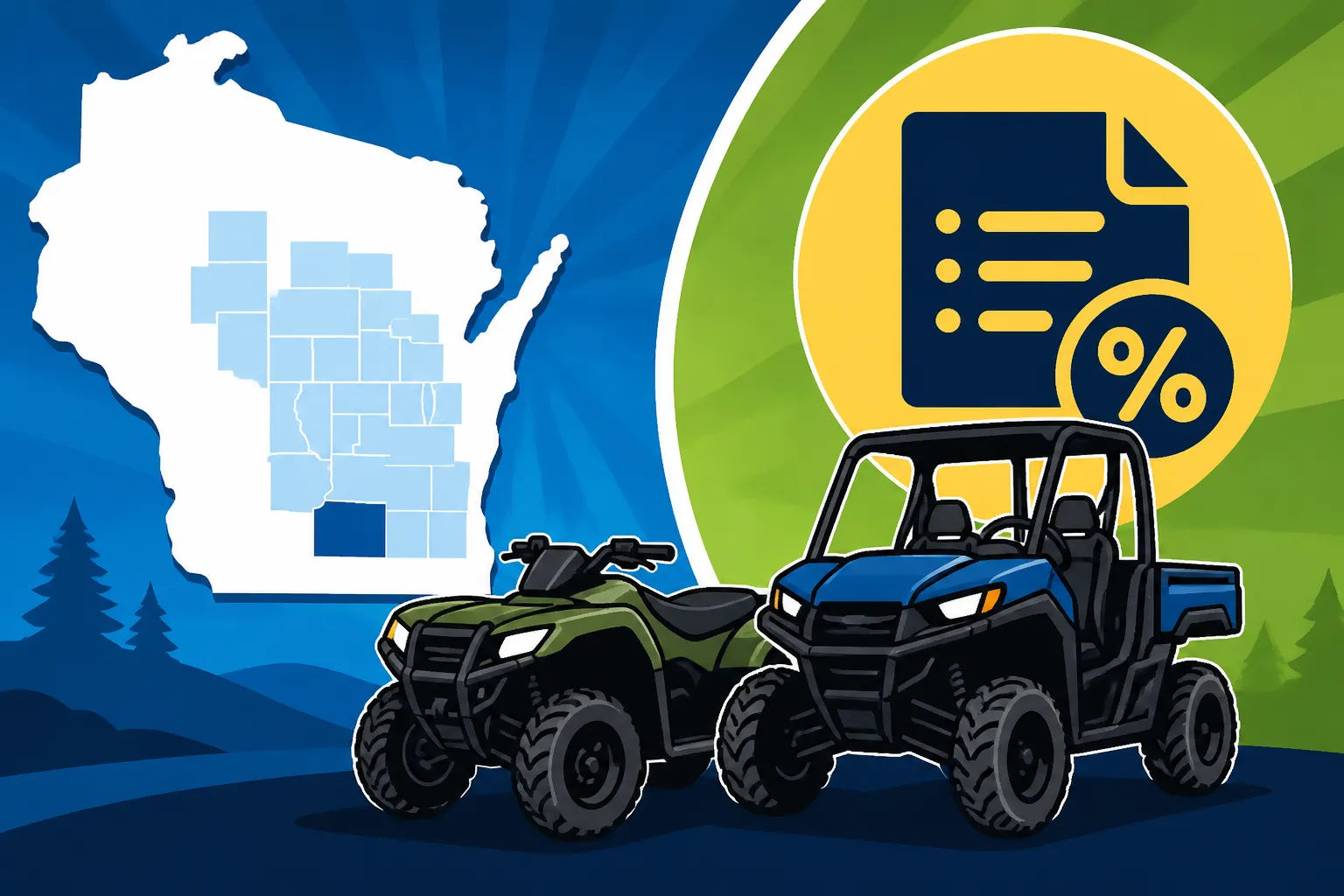
This county sales tax, when it applies, typically rides right alongside the state sales tax. It’s a smaller percentage, but it’s an extra cost nonetheless. The crucial thing to remember is that not all 72 counties in Wisconsin have this additional tax. This creates a patchwork of tax rates across the state, and knowing which counties have it and which don't can sometimes influence where you decide to make your purchase, particularly if you're on the fence about a deal. It's truly a situation where location matters significantly for your bottom line.
Where Does Your County Sales Tax Money Go?
It's natural to wonder, "Where does all this extra money go?" When a county decides to implement a local sales tax, the revenue generated stays right there, within that county. This money is typically earmarked for local government services, infrastructure projects, and other community needs. Think about road maintenance, public safety, or even local park improvements. These are the kinds of things that might see funding boosts from a county sales tax.
From a rider's perspective, this means that while you might be paying a little extra, that money is theoretically contributing to the quality of life and services in the community where you bought your machine, or where you'll be riding and enjoying your machine. It’s a way for local communities to fund their operations without relying solely on property taxes or state aid. Understanding this can help put the extra cost into perspective, knowing that it's intended to support the very communities you might be exploring on your new ATV or UTV.
Pinpointing When and Where County Sales Tax Applies
Figuring out if and when you owe county sales tax isn't always as simple as checking a map. There are specific rules that dictate whether this extra percentage applies to your ATV or UTV purchase. It can depend on where you make the purchase, who you're buying it from, and even where you intend to register the machine. Getting this wrong can lead to unexpected fees or delays when you try to make your machine street legal for the trails.
The Crucial Factor: Point of Sale or Registration Location
The location that determines whether county sales tax applies to your ATV or UTV purchase can sometimes be a bit of a moving target. Generally, for new machines bought from a licensed dealer, the county sales tax (if applicable) is assessed based on the dealer's location. This makes sense; the transaction occurs there, and the dealer is responsible for collecting and remitting all taxes to the state on behalf of that county. You pay it at the dealership, and they handle the rest.
However, for private party sales, the situation shifts. When you buy a used ATV or UTV from an individual, you're responsible for paying the sales tax directly to the Wisconsin Department of Revenue (DOR) when you go to [Registering an ATV in Wisconsin]. In these cases, the county sales tax is typically based on the buyer's county of residence, or perhaps the county where the machine will be "garaged" or primarily used and registered. This is where it's vital to have all your ducks in a row with your [What a Wisconsin ATV Bill of Sale Should Carry], which a service like LawDepot can help you generate accurately. That document needs to clearly state the purchase price to ensure the correct tax is paid.
Dealer Purchases Versus Private Party Sales
The difference between buying from a dealer and buying from a private party is significant when it comes to county sales tax. When you walk into a reputable Wisconsin ATV or UTV dealer, they are legally required to calculate and collect both the state and any applicable county sales tax based on their location. They'll show you the breakdown on your invoice, collect the full amount, and handle all the remittance to the state. This takes a lot of the guesswork and burden off your shoulders, which is a major convenience for many buyers.
On the other hand, a private party seller generally does not collect sales tax from you. This doesn't mean you get to skip the tax entirely, though! Instead, as the buyer, you become responsible for remitting the state sales tax and any applicable county sales tax when you register the machine. This is a common point of confusion and frustration for buyers, as they might not realize this until they're at the registration counter. It's why understanding [Wisconsin Sales Tax on an ATV Purchase] is so critical before you finalize a private sale. Without proper [Proof of Sales Tax Wisconsin Requires] when registering, you could face delays or unexpected payments.
The Landscape of Wisconsin Counties and Their Rates
Wisconsin's approach to county sales tax means you'll find a varied landscape across the state. Not every county has implemented this additional tax, and for those that have, the rate is generally consistent across all participating counties. This isn't like property taxes where rates can swing wildly from one town to the next within the same county. Instead, it’s a uniform rate for any county that chooses to participate.
To truly understand if your purchase will be subject to county sales tax, you'll need to know which county the sale is taking place in (for dealer sales) or which county you reside in/will register the machine in (for private sales). The Wisconsin Department of Revenue provides information on which counties impose this local tax. This is a great resource to consult before you make a significant purchase. Knowing this information upfront can save you from a surprise addition to your final bill, especially if you're buying a machine near a county line or from a seller in a different part of the state.
| Transaction Type | Tax Determined By | Sales Tax Collected By |
|---|---|---|
| New from Dealer | Dealer's physical location | The dealer at point of sale |
| Used from Dealer | Dealer's physical location | The dealer at point of sale |
| Used from Private Seller | Buyer's county of residence/registration location | The buyer (remitted to DNR/DOR during registration) |
| Out-of-State Purchase | Buyer's Wisconsin residence/registration location | The buyer (remitted to DNR/DOR) |
Navigating Special Situations: Out-of-State and Private Deals
Life isn't always a straight line, and neither are ATV/UTV purchases. Sometimes you find the perfect machine from a private seller, or perhaps you've stumbled upon a fantastic deal just over the border in a neighboring state. While these situations can lead to great finds, they also introduce their own set of considerations when it comes to sales tax, particularly county sales tax. Understanding these nuances can prevent headaches down the road when you go to make your machine official in Wisconsin.
Buying from a Private Seller in Wisconsin
The allure of a good deal on a used ATV or UTV from a private seller is strong, and it’s often how many riders get into the sport. When you make such a purchase, you'll typically pay the seller directly for the machine, and they won't collect any sales tax from you. This is perfectly normal and legal. However, the responsibility for paying sales tax doesn't disappear; it simply shifts to you, the buyer. You are expected to pay both the state sales tax and any applicable county sales tax when you register your machine with the DNR.
This is a critical step, as the DNR will require [Proof of Sales Tax Wisconsin Requires] before they issue your registration. If you haven't already paid it, you'll generally do so at the registration agent. To ensure a smooth process, make sure you have a clear, accurate bill of sale. Tools like LawDepot can provide customizable templates for a bill of sale, ensuring all necessary information, including the purchase price, is properly documented. This document is essential for calculating the correct tax amount and proving the transaction details.
Bringing an ATV/UTV into Wisconsin from Another State
Many Wisconsin riders find excellent machines across state lines, perhaps in Minnesota, Michigan, or Illinois. If you purchase an ATV or UTV outside of Wisconsin and then bring it into the state for use, Wisconsin imposes what's known as a "use tax." This use tax is essentially the equivalent of the Wisconsin sales tax (both state and county, if applicable) that you would have paid had you bought the machine within Wisconsin. The idea is to level the playing field and prevent people from avoiding Wisconsin sales tax by simply buying out-of-state.
However, Wisconsin generally provides a credit for any sales tax you already paid to the other state on that purchase. This is a huge relief, as it prevents you from being double-taxed. To claim this credit, you'll need solid documentation showing how much sales tax you paid in the other state. This could be a purchase invoice or a receipt from the selling dealer. You'll typically declare this when you go to register your machine, filling out the necessary forms with the DNR or DOR. The goal is to ensure you pay the difference if Wisconsin's tax rate is higher, or nothing more if the out-of-state tax was equal to or greater than Wisconsin's. Understanding this process, often detailed under [Credit for Tax Paid to Another State], is vital for out-of-state buyers.
What if the Seller Lost the Paperwork?
One of the most common and truly frustrating scenarios when buying a used machine privately is when the seller simply doesn't have all the paperwork. Maybe they lost the original registration card, or they never properly registered it themselves. This can throw a real wrench in your plans, making it difficult to prove ownership and, by extension, calculate and pay the correct sales tax. While Wisconsin does not title ATVs, the registration card is key proof of ownership.
If you encounter this, don't despair, but proceed with caution. First, ask the seller for any and all documentation they do have – even old bills of sale, past registration notices, or correspondence from the DNR can help. A seller is legally obligated to give you certain documents. You can often still register a machine without a prior registration card if you have a solid bill of sale that includes the VIN, purchase price, and contact information for both buyer and seller. Creating a robust bill of sale using a resource like LawDepot becomes even more critical in these situations. You might need to contact the DNR directly or visit a registration agent to discuss your specific situation, as they can sometimes help you navigate these tricky transfers. It’s definitely a time when being thorough and patient pays off, as detailed further in [Buying a Used ATV in Wisconsin: The Paperwork].
Unpacking Exemptions and Credits for County Sales Tax
It's not all about paying more! Just like with state sales tax, there are situations where you might be exempt from paying county sales tax, or where a credit can reduce the amount you owe. These exemptions and credits are designed to address specific circumstances, whether it's for certain types of uses or as a way to fairly adjust the tax burden. Knowing these can genuinely save you money and are important to understand when you're calculating your total purchase cost.
Agricultural Use Exemptions
For many folks in Wisconsin, an ATV or UTV isn't just for recreation; it's a vital piece of farm equipment. If you're purchasing an ATV or UTV primarily for agricultural use, you might be eligible for an exemption from both state and county sales tax. This exemption is typically aimed at machines that are used directly and exclusively in the business of farming, like hauling feed, checking fences, or transporting tools across fields.
However, don't just assume your machine qualifies. There are usually strict criteria and documentation requirements to prove that the machine is indeed for bona fide agricultural use. This often involves providing a specific exemption certificate to the dealer or the DOR. Using your machine for occasional recreational rides, even if you live on a farm, generally won't qualify it for this exemption. It's truly for machines that are integral to a farming operation. Always check the latest guidelines from the Wisconsin Department of Revenue to confirm eligibility and the necessary paperwork for this valuable exemption.
Trade-In Credits and Sales Tax Calculation
One of the best ways to reduce your overall sales tax burden, including county sales tax, is through a trade-in. When you trade in an old ATV or UTV to a dealer towards the purchase of a new (or newer used) machine, the value of your trade-in is generally subtracted from the selling price of the new machine before sales tax is calculated. This effectively lowers the taxable amount, which in turn reduces the amount of sales tax you owe.
Let's look at a hypothetical scenario: Say you're buying a machine for $10,000, and you trade in your old quad for $3,000. Instead of paying sales tax on the full $10,000, you'd only pay it on the $7,000 difference. This applies to both the state sales tax and any county sales tax that might be in effect. It's a significant saving strategy that many buyers overlook or don't fully understand. So, if you have an old machine sitting around, it might be worth exploring its trade-in value, not just for the money, but for the tax savings, as discussed in detail under [Trade-In Credit and Wisconsin Sales Tax].
Other Potential Exemptions or Reductions
While agricultural use and trade-in credits are the most common ways to reduce or exempt sales tax on an ATV/UTV, there can be other, less frequent scenarios. For instance, if you're a qualifying non-profit organization purchasing a machine for your exempt activities, you might be eligible for a sales tax exemption. Similarly, transfers of machines as gifts between immediate family members can sometimes have different tax implications, though sales tax often still applies based on fair market value, even if no money changes hands. It's not a free pass, but the calculation method might differ.
It's crucial to understand that these exemptions are typically narrowly defined. What might seem like a straightforward situation to you could have specific legal interpretations from the Department of Revenue. Therefore, if you believe your purchase might qualify for any less common exemption or reduction, your best bet is always to consult the Wisconsin Department of Revenue's official guidance or speak directly with a tax professional. They can provide the most accurate and up-to-date information for your unique circumstances, ensuring you don't miss out on legitimate savings or inadvertently fail to pay tax when due.
Budgeting for the Full Cost of Your Wisconsin ATV/UTV
Bringing home a new ATV or UTV is exciting, but the journey doesn't end when you agree on the price. To avoid buyer's remorse or financial strain, it's absolutely essential to budget for the full cost of ownership. This goes beyond the sticker price and includes all the taxes, fees, and ongoing expenses that come with being a responsible Wisconsin rider. Neglecting these details can quickly turn a dream machine into a financial headache.
The Cumulative Effect of State and County Taxes
Let’s be realistic: sales taxes add up. When you combine the statewide sales tax with any applicable county sales tax, you're looking at a noticeable chunk of change added to your ATV or UTV purchase. This is why it's so important to calculate these costs before you commit to a machine. Thinking you'll pay "about X amount" and then realizing it's significantly more at the registration counter can be a real punch to the gut.
For example, if you're eyeing a machine with a particular price, mentally (or even better, actually) add on the state sales tax first. Then, if you're buying in or registering in a county with an additional sales tax, factor that in as well. This cumulative effect can push a machine's actual cost higher than you initially expected. Being proactive with these calculations will give you a clearer picture of your total financial commitment and help you stay within your budget. This foresight is part of smart ATV/UTV ownership in Wisconsin.
Hidden Costs Beyond the Sales Tax Sticker Price
Beyond the sales tax, there are other "hidden" costs that can quickly inflate the total amount you pay for your ATV or UTV. The most immediate of these are registration fees. Every ATV or UTV operated on public lands in Wisconsin needs to be registered. There's a fee for [Wisconsin Registration Fee for Public Use] and a separate one for [Wisconsin Private Use Registration Fee] if your machine will only be used on private land. These aren't insignificant and are paid annually or bi-annually, depending on the registration type.
If you're buying from a dealer, you might also encounter various dealer fees, such as documentation fees, preparation fees, or destination charges. While some of these might be negotiable, others are standard practice. It's crucial to ask the dealer for an "out-the-door" price that includes all taxes and fees. Additionally, don't forget the small but essential [The $5 Wisconsin Transfer Fee] when you change ownership of a registered machine. These charges, while seemingly minor individually, can add hundreds, if not thousands, of dollars to your purchase, making that initial sticker price look quite different by the time you're done.
The Importance of Knowing Your Local Rules
Finally, don't underestimate the importance of understanding the local rules and ordinances that might impact your ATV or UTV. While sales tax is a state and county matter, certain municipalities (cities, towns, and villages) might have their own regulations that add to your cost or affect how you can use your machine. This isn't about sales tax directly, but it's part of the holistic view of ATV/UTV ownership expenses.
For instance, some local ordinances might require specific insurance coverage beyond what the state mandates, especially if you plan to ride on designated ATV routes within their jurisdiction. This falls under [Municipal Insurance Requirements in Wisconsin]. Others might have specific hours of operation or noise limits that could require modifications or impact your riding plans. Always check with the local clerk's office or the Wisconsin DNR for information pertinent to the areas you plan to ride and keep your machine. Being informed about these local nuances ensures that your investment provides maximum enjoyment without unexpected legal or financial pitfalls.
Disclaimer
This article is for general informational purposes only and does not constitute professional advice. Laws, prices and regulations vary by location and change over time. Consult a qualified professional for guidance on your specific situation.