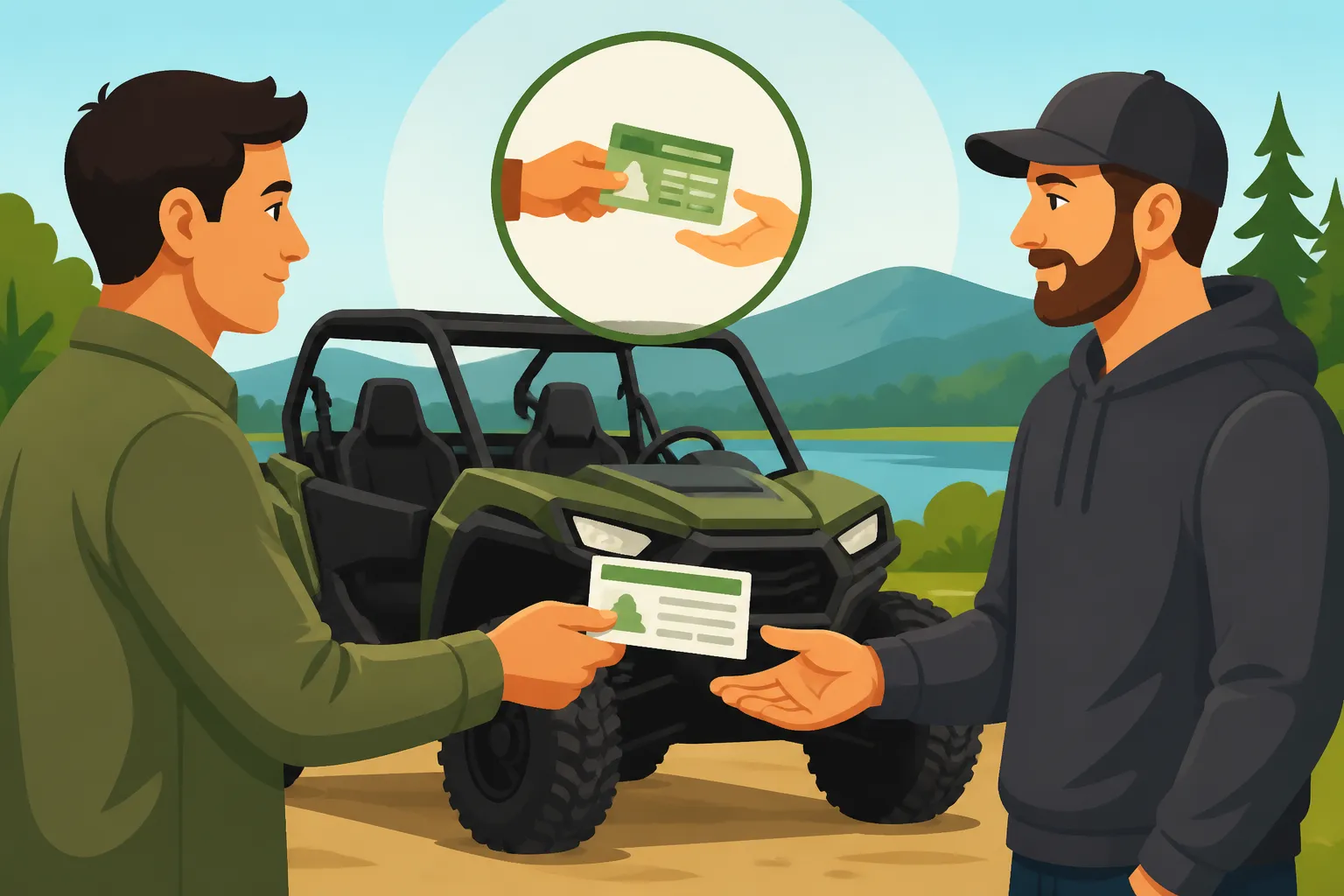
Handing Over the Registration Card at a Sale
Selling an ATV or UTV in Wisconsin can feel a bit like navigating a winding trail you've never been on before, especially when it comes to the paperwork. Many folks get confused about how to properly transfer ownership, particularly because Wisconsin doesn't title these machines like cars. This guide is here to clear up exactly what you, as the seller, need to do with that all-important registration card to ensure a smooth, legal transfer for both you and your buyer.
The Role of the Registration Card in a Wisconsin ATV Sale
When you're selling your trusty ATV or UTV in Wisconsin, the registration card might not seem as imposing as a vehicle title, but it plays an absolutely critical role in the transfer of ownership. For many buyers, especially those new to the off-road world in our state, understanding its importance is paramount, and for you, the seller, knowing how to handle it correctly prevents future headaches. This little piece of paper, issued by the Wisconsin Department of Natural Resources (DNR), acts as the primary record of who legally owns and operates the machine in our registration-based system.
Why the Registration Card is Crucial for Buyers
Imagine you're the buyer, standing in a seller's driveway, about to hand over a significant chunk of cash for that side-by-side you've been dreaming about. You've inspected the machine, maybe even taken it for a quick spin, but now it's time for the paperwork. Without a traditional title, the registration card becomes your most tangible proof that the person selling the machine actually owns it and has the right to transfer it to you. It's the buyer's first line of defense against unwittingly purchasing a stolen machine or one with an unclear ownership history.
Think of it this way: the registration card directly links the machine's unique Vehicle Identification Number (VIN) to the current owner's name and address in the DNR's official records. When a buyer receives a properly signed-over registration card, they gain confidence that they are receiving legitimate ownership from the registered party. This direct lineage from the seller to the buyer, documented by the DNR, is what makes the transfer legal and recognized. For a new owner, it's the foundation upon which they'll register the machine in their own name, get their own decals, and ultimately enjoy riding the beautiful trails Wisconsin has to offer. The anxieties around "proof of ownership without a title" are very real for buyers, and a properly handled registration card goes a long way to alleviating those concerns.
What Information the Card Carries
The Wisconsin ATV/UTV registration card is packed with essential information, and understanding each piece is key for both buyers and sellers. On the front, you'll find the machine's unique Vehicle Identification Number (VIN), which is like the machine's fingerprint. This 17-digit number (or shorter for older machines) is critical for confirming that the machine being sold matches the documentation. It's important for the buyer to verify this VIN against the one physically stamped on the machine's frame, usually near the front wheel well or on the chassis.
Alongside the VIN, the card displays the current registered owner's name and address, the specific type of machine (ATV or UTV), the registration number assigned by the DNR, and the expiration date of the current registration. For public use registrations, this expiration date is always March 31. This is a critical detail, as it informs the buyer whether they'll need to immediately renew the registration upon transfer. For sellers, ensuring all this information is current and accurate before the sale is a good practice, though updating an address usually isn't required for a sale to proceed. The back of the card often has instructions and, most importantly, a designated area for the seller to sign it over to a new owner, which we'll delve into next. This entire document serves as the official DNR record of the machine's identity and its current legal keeper, making it indispensable in the sales process.
Your Responsibilities as a Seller
As the seller of an ATV or UTV in Wisconsin, you have specific responsibilities to ensure the transfer of ownership is smooth and legally sound. It's not just about handing over the keys; it's about providing the buyer with the necessary documentation to register the machine in their name without a hitch. Neglecting these steps can lead to problems down the road for both parties, potentially even involving the DNR if records become unclear. Your primary duty revolves around the registration card itself and providing clear proof of the transaction.
Signing Off on the Current Registration
This is perhaps the most crucial step for you as the seller when it comes to the registration card: you absolutely must sign it over to the buyer. Many Wisconsin ATV and UTV registration cards have a specific line or box on the back labeled "Seller's Signature" or "Assignment of Ownership." It's not just a formality; your signature on this card confirms that you, the registered owner, are relinquishing your claim to the machine and transferring it to the new buyer.
The best practice is to sign the card at the exact moment of sale, in front of the buyer, after all money has exchanged hands and everyone is satisfied with the transaction. This prevents any confusion or dispute later about when the transfer occurred. Without your signature, the buyer will likely face significant challenges when trying to register the machine in their name with the DNR, as they won't have clear proof that you authorized the transfer. This simple act of signing is the direct link that completes the chain of ownership from you to them in the DNR's eyes. It's a small step, but it carries immense legal weight and is paramount for a proper sale.
Providing a Bill of Sale
While the signed registration card is vital, it's not the only piece of paper you should provide. A detailed bill of sale is equally, if not more, important, especially in Wisconsin's non-title system for ATVs and UTVs. This document serves as a private contract between you and the buyer, outlining the terms of the sale, and it acts as crucial secondary proof of ownership for the buyer. It's a tangible record that clearly states who sold what to whom, for how much, and when.
A robust bill of sale should include several key pieces of information: the full names and addresses of both the seller and the buyer, the date of the sale, the purchase price, and a detailed description of the ATV or UTV, including its make, model, year, and most importantly, the Vehicle Identification Number (VIN). You should also include a statement that the machine is sold "as-is," if that's the agreement, to protect yourself from future claims about the machine's condition. Many sellers also include a line about the machine's hour meter reading, if applicable, to establish a record of its usage at the time of sale. Resources like LawDepot offer excellent templates for creating a comprehensive bill of sale that covers all these bases, providing both parties with peace of mind. This document, combined with the signed registration card, gives the buyer everything they need to prove ownership and complete their registration transfer, making the entire process transparent and legally sound. For more specifics on what to include, check out [What a Wisconsin ATV Bill of Sale Should Carry].
The Buyer's Next Steps with the Card
Once you, as the seller, have properly signed over the registration card and provided a solid bill of sale, the ball is now in the buyer's court. Their actions in the immediate aftermath of the sale are just as critical as your initial steps to ensure the machine is legally theirs and properly registered for use in Wisconsin. There's a specific window of time and a process they need to follow, and being aware of this as a seller can help you guide them or simply reassure them that they know what to do next.
The 10-Day Transfer Window
This is a critical piece of information that every ATV/UTV buyer in Wisconsin needs to know, and as a seller, it's helpful to remind them. The buyer has a strict 10-day window from the date of purchase to transfer the registration into their name. This isn't just a suggestion; it's a rule enforced by the Wisconsin DNR. Failing to meet this deadline can result in fines or complications when they eventually try to register the machine.
For example, if a buyer purchases your side-by-side on a Saturday, they have until the following Tuesday week and a half later to get that paperwork submitted. This relatively short timeframe is designed to keep ownership records current and to prevent machines from being operated under the previous owner's registration for an extended period. It's a good idea for buyers to schedule a visit to a DNR service center or a certified registration agent as soon as possible after the sale. Missing this window, such as if they simply forget or put it off, can lead to unnecessary hassle and potentially a penalty fee. You can direct them to resources like [The Ten-Day Transfer Deadline in Wisconsin] for more information on the importance of this deadline.
How the Buyer Uses the Signed Card for Transfer
To transfer the registration into their name, the buyer will need to present several documents to the Wisconsin DNR or one of its authorized registration agents. First and foremost, they'll need that original registration card that you, the seller, signed over to them. This card, with your signature, is the primary evidence that ownership has been legally transferred from you to them.
In addition to the signed registration card, the buyer should bring the bill of sale. While the signed card indicates the transfer, the bill of sale solidifies the details of the transaction, including the purchase price, which is essential for calculating sales tax. They will also need to pay a small transfer fee, which is usually around [The $5 Wisconsin Transfer Fee], plus any applicable sales tax based on the purchase price. The DNR agent will then process the transfer, update the ownership records in their system, and issue a new registration card and decals to the buyer. This ensures that the new owner is officially recognized by the state as the legal operator of the ATV or UTV, clearing the way for them to ride legally. This entire process is designed to be straightforward, provided the buyer has all the correct documentation from the seller.
Common Scenarios and Potential Pitfalls
Even with the best intentions, the process of selling an ATV or UTV can sometimes hit a snag. As a seller, it's wise to be prepared for common scenarios that might complicate the transfer of that all-important registration card. Knowing how to navigate these situations not only protects you but also helps the buyer complete their side of the transaction smoothly. From a lost card to machines with no prior registration, understanding these potential pitfalls can save a lot of headaches.
What if the Registration Card is Lost or Damaged?
This is a scenario that causes a lot of anxiety for both sellers and buyers: what if the original registration card has gone missing or is too damaged to use? It happens more often than you might think – cards get misplaced, torn, or simply fade over time. If you're the seller and realize your card is lost before the sale, the best course of action is to order a replacement through the Wisconsin DNR. This can often be done online or by contacting the DNR directly, though it might take a little time to arrive in the mail. Having the official, undamaged card makes the transfer process much smoother for the buyer. Information on obtaining a replacement can be found by looking into [Replacing Lost Wisconsin Decals], as the process for decals and cards is often similar.
However, if you're in a pinch or can't get a replacement in time, a robust and detailed bill of sale becomes absolutely paramount. This is where a document from a reliable source like LawDepot truly shines. In the absence of a signed registration card, a comprehensive bill of sale, clearly stating the VIN, seller and buyer details, purchase price, and acknowledging the absence of the registration card, can often be used by the buyer to register the machine. It may require a bit more legwork for the buyer, possibly involving a visit to a DNR service center rather than an agent, and they might need to fill out a "Statement of Facts" form. Still, a strong bill of sale provides the necessary proof of sale for the DNR to process the new registration. It's a situation where excellent documentation can overcome a missing physical card.
Selling a Machine with Expired Registration
Another common situation arises when a seller's ATV or UTV registration has expired. Perhaps it's an older machine that hasn't been used on public trails in a while, or the owner simply forgot to renew before the March 31 deadline. As a seller, it's important to understand that an expired registration does not prevent you from selling the machine. Ownership can still be transferred. However, it does mean that the buyer will be responsible for renewing the registration as part of their transfer process.
Transparency is key here. Inform the buyer upfront if the registration is expired. They will still need the signed-over registration card from you, along with the bill of sale, to complete the transfer. When they go to register it in their name, they will simply pay the regular registration fee (and any applicable sales tax and transfer fee), which will include the renewal. The DNR doesn't typically charge a penalty to the buyer for the previous owner's expired registration during a transfer, but the buyer certainly won't be able to ride legally until they get their new, current registration and decals. Understanding when [Wisconsin Public Use Registrations Expire March 31] can help set expectations for both parties. It's a straightforward process, but being clear about the expired status avoids any surprises for the new owner.
Private Sale Without Prior Registration History
Sometimes, you might encounter a situation where an ATV or UTV has never been publicly registered with the Wisconsin DNR. This often happens with older machines used exclusively on private land, or perhaps a family farm machine that never saw public trails. In these cases, there isn't a physical registration card to hand over and sign. This can feel daunting for both seller and buyer, as the primary proof of ownership is missing.
Here, the importance of a meticulously drafted bill of sale cannot be overstated. Without a registration card, the bill of sale becomes the sole document proving the transaction and the transfer of ownership. It must contain all the essential details we discussed earlier – full names, addresses, date, purchase price, and the complete VIN. It's also a good idea to include a statement within the bill of sale clarifying that the machine has no prior DNR registration history. The buyer will present this bill of sale to the DNR (usually at a service center rather than a simple agent) to initiate the first-ever registration of the machine in their name. They may be asked to complete additional forms, such as an affidavit, attesting to the machine's history. Again, resources like LawDepot are invaluable for creating a legally sound bill of sale in these less common, but not impossible, scenarios. For buyers considering such a purchase, researching [Buying a Machine With No Registration History] is highly recommended to understand their responsibilities.
Why Wisconsin Does Not Title ATVs
It's a common point of confusion for many new ATV and UTV owners, especially those coming from states that title off-road vehicles or those used to car titles. Wisconsin operates on a different system for ATVs and UTVs. Understanding this distinction is fundamental to grasping why the registration card is so critically important in a sale, rather than a separate title document. This unique approach means that the documentation you handle during a sale is slightly different from what you might expect.
Understanding Wisconsin's Registration-Based System
In Wisconsin, ATVs and UTVs are primarily tracked through a registration system maintained by the Department of Natural Resources (DNR), rather than a title system administered by the Department of Transportation (DOT), which handles cars and trucks. This means that when you acquire an ATV or UTV in Wisconsin, you receive a registration card and decals, not a certificate of title. This system is designed to identify the machine's current operator and track its usage for trail funding and enforcement purposes.
This registration-based system effectively means that the registration card serves a dual purpose: it proves the machine is registered for use (if it's a public-use machine) and also acts as the primary record of legal ownership. When a machine is sold, the transfer process focuses on updating the registration records with the DNR to reflect the new owner, rather than transferring a separate title document. This can sometimes feel less secure to buyers accustomed to titles, but it's a long-standing and functional system within the state. For a deeper dive, you can explore [Why Wisconsin Does Not Title ATVs].
What This Means for Buyers and Sellers
For both buyers and sellers in Wisconsin, the absence of a title for ATVs and UTVs places a greater emphasis on the registration card and a comprehensive bill of sale. As a seller, it means that handing over the properly signed registration card, coupled with a detailed bill of sale, is your complete responsibility for transferring ownership. There isn't another document you need to sign over or notarize to legally transfer the machine.
For buyers, it means that due diligence is absolutely paramount. Since there's no title to easily check for liens or previous owners, the buyer must rely on the seller's honesty, the information on the registration card, and the details in the bill of sale. It's always a good idea for a buyer to physically verify the VIN on the machine matches the VIN on the registration card. While Wisconsin's system doesn't make it impossible to check for liens, it's not as straightforward as with a titled vehicle. Ultimately, the registration card and a well-crafted bill of sale from a reputable source like LawDepot become the absolute cornerstones of proving legal ownership in Wisconsin's ATV/UTV sales. Without a title, these documents are the buyer's proof of ownership, as detailed in [Proof of Ownership Without a Title].
Here's a quick summary of responsibilities:
| Aspect of Sale | Seller's Responsibility | Buyer's Responsibility |
|---|---|---|
| Registration Card | Sign over current card to buyer | Receive signed card; use for transfer |
| Bill of Sale | Provide detailed bill of sale with VIN and price | Retain bill of sale; use for proof of purchase & tax |
| 10-Day Window | (Awareness) Advise buyer of transfer deadline | Transfer registration within 10 days of purchase |
| Lost Card | Order replacement or provide robust bill of sale | Use bill of sale/other documents if card is unavailable |
| Expired Reg | Be transparent about expired status | Renew registration as part of transfer |
| No Prior Reg | Provide comprehensive bill of sale | Use bill of sale to initiate first-time registration |
| Sales Tax | (Awareness) State sale price clearly for tax calculation | Pay Wisconsin sales tax during registration transfer |
| Transfer Fee | (Awareness) Advise buyer of fee | Pay [The $5 Wisconsin Transfer Fee] at transfer |
Disclaimer
This article is for general informational purposes only and does not constitute professional advice. Laws, prices and regulations vary by location and change over time. Consult a qualified professional for guidance on your specific situation.